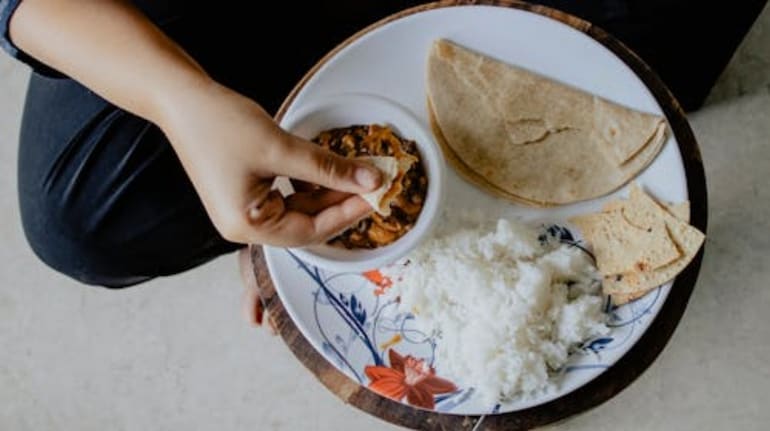
If you are on a diet, you would have probably wondered whether to eat rice or not and what about chapati? Both are staples in Indian cuisine, but serving size matters. Here is what a fitness trainer has to say about balancing chapati and rice consumption smartly for successful weight loss.
Rice and chapati are the workhorses of Indian meals — comforting, adaptable to anything you want to pair with them and carb-rich. But where weight loss is concerned, carbs often get a bad rap. The fact is, both rice and chapati can be ideal for a fat-loss diet when consumed in the correct amounts and at the appropriate time.
It’s not rice or wheat per se but portion control and how they are combined with other foods. Both give you energy, fiber (particularly whole-grain chapati and brown rice) and essential nutrients. But too much (or the wrong mix) can add up to a caloric bomb.
The “Carbs aren’t the enemy — imbalance is,” said Marcelle D’Souza, a certified trainer and nutrition coach with bases in Mumbai. “If you consume the right amount of chapati and rice along with protein and fiber, it is possible to lose fat while consuming traditional Indian meals.”
Here, the expert talks about the perfect portion sizes and smart ways to incorporate chapati and rice into your weight loss diet plan for long term sustainable weight loss.
Also read: Delhi-based cardiologist has a warning for samosa lovers; Learn why his post is going viral1 medium Chapati (approx 40g) = ~120 kcals
1 cup cooked rice (100g) = ~130 kcal
Both have the same number of calories, yet rice is easier to digest due higher amounts of carbohydrate and protein but chapati is more advantageous during winter as it adds to the energy as well as gird up your body against winter.
2–3 chapatis per day or
1 to 1.5 cups of cooked rice a day
In case you include both, have 1-2 chapatis + ½ cup rice in a day. The aim is to remain within your total daily calorie needs.
Time of Consumption Matters“Almost the majority of carbs (chapati or rice) should be consumed in lunch as your metabolism is active at that time. Dinner should be light — a single chapati or ½ cup rice with vegetables and protein.
Choose Whole-Grain OptionsChoose whole wheat chapati or brown/red rice over refined. Whole grains contain more fiber and nutrients, are more filling and help control sugar spikes.
Pair with Protein and FiberCarbs should be always sandwiched between a combination of protein (dal, paneer/chicken/fish) and fibre (salads or veggies); it will help reduce hunger and prevent fat formation.
Also read: Treadmill running vs running outdoors: Fitness coach shares which one is best for youMind the Oil and Add-OnsChapatis and the like should not be buttered—gheeed—or oiled too freely. Likewise, forgo fried rice or pulao — simple steamed rice with veggies is much healthier.
Individual Needs VaryThe right amount of carbs for you can vary based on your activity levels, metabolism and diet in general. Those who are more active can have a bit more in the way of carbs, but anyone sedentary should adjust portion size accordingly.
And, as D’ Souza advises, “The key to the best diet is one you can sustain. Carbs are not the adversary, however measure them. Two chapatis or one cup of rice per meal, along with proteins and veggies, may help you lose weight without feeling low on energy or deprived at a meal.”
FAQs on how many chapatis should one eat in a day to lose weight: 1. How many chapatis can I eat in a day to lose weight?The number depends on your age, gender, activity level, and overall calorie needs. On average, 2–4 chapatis per day can fit into a balanced weight-loss diet when paired with vegetables, dal, and protein sources.
2. Can eating chapati help in losing weight?Yes, if portion sizes are controlled. Whole wheat chapatis are rich in fiber, which keeps you full longer, helps control hunger, and supports healthy digestion—important factors for weight loss.
3. Is it okay to eat chapati at night while trying to lose weight?Yes, but keep the quantity moderate (1–2 chapatis) and pair them with light, protein-rich or vegetable-based dishes. Avoid heavy curries or oily foods late at night.
4. Should I avoid chapati completely to lose weight faster?No. Completely cutting out healthy carbs like whole wheat chapati can lead to fatigue and nutrient deficiencies. Instead, focus on balanced meals with controlled portions.
5. Which type of chapati is best for weight loss?Whole wheat, multigrain, or millet-based chapatis (like jowar or bajra) are better options than refined flour ones. They are high in fiber, promote satiety, and support better blood sugar control.
Disclaimer: This article, including health and fitness advice, only provides generic information. Don’t treat it as a substitute for qualified medical opinion. Always consult a specialist for specific health diagnosis.Discover the latest Business News, Sensex, and Nifty updates. Obtain Personal Finance insights, tax queries, and expert opinions on Moneycontrol or download the Moneycontrol App to stay updated!
Find the best of Al News in one place, specially curated for you every weekend.
Stay on top of the latest tech trends and biggest startup news.