
Many of us don’t bother about the health of our eyes until we experience discomfort in the form of headaches, blurry vision, and more. However, it is important to pay attention even when we are able to see clearly, as changes in the eye develop quietly over time and can become concerning.
January is Glaucoma Awareness Month, during which paying attention to long-term eye health is the focus, and this begins with spotting some of the early warning signs. Dr Shalaka Amrute, Glaucoma Consultant and Cataract Surgeon at Dr Agarwals Eye Hospital, Vashi, said, “Glaucoma is a group of eye conditions that damage the optic nerve, often due to increased pressure inside the eye. It is one of the leading causes of irreversible blindness worldwide, largely because it can progress silently.”
Thus, understanding the early warning signs of glaucoma is crucial, as timely diagnosis and treatment can significantly slow or prevent vision loss.
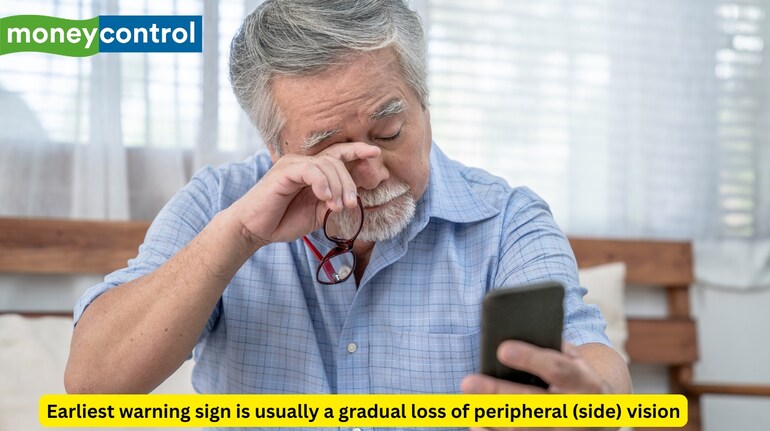
In its most common form, primary open-angle glaucoma, early symptoms are subtle and often go unnoticed. Most people experience no pain and no obvious vision changes at first. Dr Amrute said, “The earliest warning sign is usually a gradual loss of peripheral (side) vision. This may manifest as difficulty seeing objects at the edges of one’s visual field, bumping into furniture, or struggling to navigate in low-light conditions. Because central vision remains intact until later stages, many individuals are unaware of the problem until significant damage has occurred.”
Another potential early indicator is increased intraocular pressure, which typically has no symptoms and can only be detected during a comprehensive eye exam. “This is why routine eye check-ups are especially important for individuals over 40, those with a family history of glaucoma, or people with risk factors such as diabetes, high blood pressure, or prolonged steroid use,” she pointed out.
A less common but more dramatic form, acute angle-closure glaucoma, presents with sudden and noticeable symptoms that require immediate medical attention. Dr Amrute added, “Early warning signs may include severe eye pain, headaches, blurred vision, halos around lights, eye redness, and nausea or vomiting. Unlike open-angle glaucoma, this type progresses rapidly and can cause permanent vision loss within hours or days if untreated.”
“Some people may also notice difficulty adjusting to darkness, frequent changes in eyeglass prescriptions, or a general sense of visual strain. While these symptoms are not exclusive to glaucoma, they should prompt an eye examination, particularly if they occur persistently,” the ophthalmologist noted.
Glaucoma is often called the “Silent thief of sight” because its early warning signs are easy to miss. Regular eye exams remain the most reliable way to detect glaucoma in its early stages. Recognising subtle vision changes and seeking prompt medical care can make a critical difference in preserving long-term eye health and preventing blindness.
Also read: Doctor says these 3 medicines can save a heart attack patient
1. What is glaucoma?
Glaucoma is an eye condition that damages the optic nerve, usually due to increased pressure inside the eye. If left untreated, it can lead to vision loss or blindness.
2. What are the common types of glaucoma?
The most common types are open-angle glaucoma, which develops slowly, and angle-closure glaucoma, which can occur suddenly and is considered a medical emergency.
3. What causes glaucoma?
Glaucoma is often caused by a buildup of fluid in the eye that increases intraocular pressure. Genetics, age, eye injuries, and certain medical conditions can also raise the risk.
4. What are the early symptoms of glaucoma?
In many cases, especially open-angle glaucoma, there are no early symptoms. Vision loss begins gradually, starting with peripheral vision.
5. Who is at risk of developing glaucoma?
People over 40, those with a family history of glaucoma, individuals with diabetes, high blood pressure, or long-term steroid use are at higher risk.
Disclaimer: This article, including health and fitness advice, only provides generic information. Don’t treat it as a substitute for qualified medical opinion. Always consult a specialist for specific health diagnosis.
Discover the latest Business News, Sensex, and Nifty updates. Obtain Personal Finance insights, tax queries, and expert opinions on Moneycontrol or download the Moneycontrol App to stay updated!
Find the best of Al News in one place, specially curated for you every weekend.
Stay on top of the latest tech trends and biggest startup news.