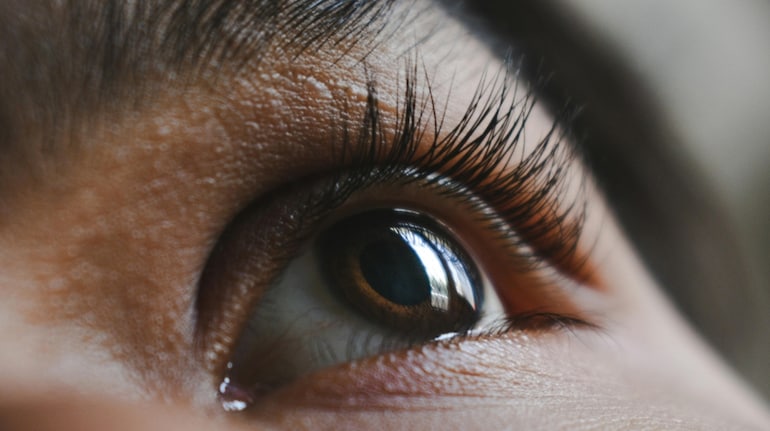

Ever rub your eyes after a long day in front of a screen? You’re not imagining it. Eye strain is real, and more people feel it today than ever before. Having said that, a good vision doesn’t have to be fragile. With a little awareness and proper routine, you can look after your eyes just like any other part of your health.
Many eye problems usually develop slowly, often without early symptoms, from refractive errors like myopia to more serious conditions such as glaucoma and age-related macular degeneration. That’s why prevention and regular check-ups are just as important as treating symptoms when they arise.
Modern lifestyles mean we spend hours on screens, skip meals or sleep poorly, and expose our eyes to harsh light. These habits can contribute to dryness, fatigue and long-term wear and tear. Small, manageable steps each day can make a noticeable difference to comfort and long-term eye health.
Also read | Bulging eyes, pressure, deteriorating eyesight are symptoms of serious health issues, warns ophthalmologist
Some lifestyle habits can hamper eyesight. Prolonged screen exposure and irregular sleep, along with poor dietary habits, can increase strain on eyes. Many visual problems develop slowly and may go unnoticed until they begin to affect daily activities. Becoming more aware of eye care and inculcating small, effective practices can help in protecting vision and reducing eye strain.
Here is what you can do to keep your eyesight sharp:
A diet rich in vitamins A, C and E, along with foods that contain zinc and omega-3 fatty acids, supports long-term eye health. Carrots and green, leafy vegetables along with citrus fruits can aid in protecting the retina.
Also read | How to keep your eyesight sharp and eyes healthy as you grow old
Prolonged screen time can cause eye strain and fatigue. It is advised that people who work with screens for a larger part of the day must, every 20 minutes, look 20 feet away, for at least 20 seconds.
Routine ophthalmological examination can aid in detecting multiple conditions like refractive errors, cataracts, glaucoma and retinal problems. Periodic checkups can aid in early identification and treatment.
Ultraviolet radiation may damage the eyes, thus increasing the risk for ocular problems. Wearing sunglasses that offer UV protection is advised, and wearing wide-brimmed hats can also be helpful.
1. How can I reduce eye strain from screen time?
Follow the 20-20-20 rule: every 20 minutes, look at something 20 feet away for 20 seconds. This helps reduce eye strain and fatigue from prolonged screen use.
2. What diet supports eye health?
A diet rich in vitamins A, C, and E, zinc, and omega-3 fatty acids supports eye health. Include carrots, green leafy vegetables, and citrus fruits in your meals to protect your vision.
3. How often should I get my eyes checked?
Regular check-ups with an ophthalmologist are essential. They help detect refractive errors, cataracts, glaucoma, and other issues early, ensuring timely treatment.
4. How can I protect my eyes from UV rays?
Wearing sunglasses with UV protection and wide-brimmed hats can shield your eyes from harmful ultraviolet radiation, reducing the risk of ocular problems.
5. What lifestyle habits can harm my eyesight?
Prolonged screen exposure, irregular sleep, and poor dietary habits can strain your eyes. Adopting small, effective practices can help protect your vision and reduce eye strain.
Disclaimer: This article, including health and fitness advice, only provides generic information. Don’t treat it as a substitute for qualified medical opinion. Always consult a specialist for specific health diagnosis.
Discover the latest Business News, Sensex, and Nifty updates. Obtain Personal Finance insights, tax queries, and expert opinions on Moneycontrol or download the Moneycontrol App to stay updated!
Find the best of Al News in one place, specially curated for you every weekend.
Stay on top of the latest tech trends and biggest startup news.