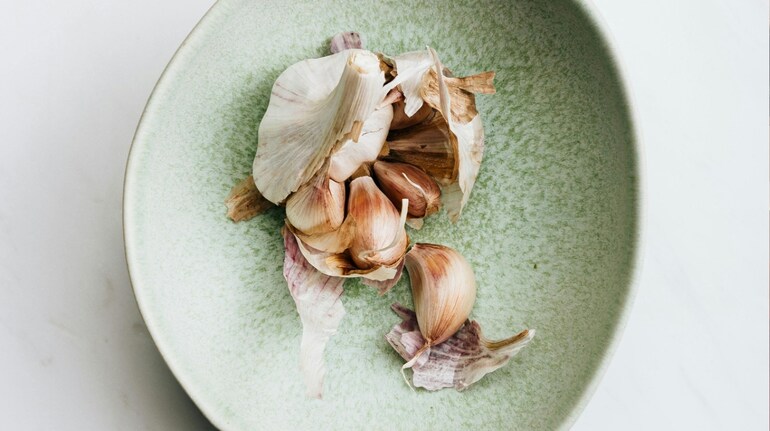

Like the many tips and hacks on Instagram, someone suggested that a clove of garlic dropped into the toilet might repel pests or freshen drains. People tried it. Soon, posts and conversations made it feel like a secret domestic trick. Logic says garlic has a strong smell and natural compounds, so perhaps it can influence the bathroom environment. But here’s where reality and belief part ways.
Plumbers emphasise that toilets and sewage systems aren’t designed to handle food waste, including garlic, and frequent flushing of anything other than human waste and toilet paper can increase the risk of blockages in older pipes or septic systems.
One reason people believe in this trick is purely olfactory. Garlic contains volatile sulphur compounds that release a sharp, distinctive scent when exposed to water and air. This aroma can momentarily mask mild odours in a bathroom, but it doesn’t clean pipes or solve drainage problems.
Garlic’s reputation as a natural antimicrobial does not just come from grandma’s remedies. Studies show that garlic’s key bioactive molecules, like allicin, and its derivatives can disrupt bacterial communication, inhibit biofilm formation and interfere with microbial cell membranes in laboratory conditions.
Also read: Doctor says these 3 medicines can save a heart attack patient
However, these effects are shown in controlled experiments, often at concentrations far higher than what a single clove would release in a toilet bowl. That means garlic might influence bacteria on a slide in a lab, but it’s unlikely to disinfect plumbing systems at home.
Apart from plumbing myths, garlic’s bioactive compounds do have real, measurable actions in biological systems
Allicin and related organosulfur molecules have inhibitory effects on bacteria, including mechanisms that disrupt cell walls and prevent quorum sensing (inter-bacterial signalling).
Garlic’s compounds have also been shown to have antioxidant and metabolic effects in human health research, though many benefits require high or concentrated doses not achieved by casual use.
Flushing garlic down the toilet is one of those rituals that spreads because it feels natural, inexpensive and harmless. While it won’t damage your home if done occasionally, it isn’t a replacement for proper cleaning, plumbing maintenance or professional pest control.
1. Is it safe to flush garlic down the toilet?
No, garlic should not be flushed as it can contribute to plumbing blockages.
2. Why can garlic cause plumbing problems?
Garlic doesn’t break down easily in water and can get stuck in pipes, especially when flushed in large pieces.
3. Can flushing garlic harm septic tanks?
Yes, solid food waste like garlic can disrupt septic tank balance and clog systems.
4. What should you do with unwanted garlic instead?
Dispose of it in a compost bin or household waste.
5. Are there any situations where flushing garlic is acceptable?
Generally no—only human waste and toilet paper should be flushed to avoid damage.
Disclaimer: This article, including health and fitness advice, only provides generic information. Don’t treat it as a substitute for qualified medical opinion. Always consult a specialist for specific health diagnosis.
Discover the latest Business News, Sensex, and Nifty updates. Obtain Personal Finance insights, tax queries, and expert opinions on Moneycontrol or download the Moneycontrol App to stay updated!
Find the best of Al News in one place, specially curated for you every weekend.
Stay on top of the latest tech trends and biggest startup news.