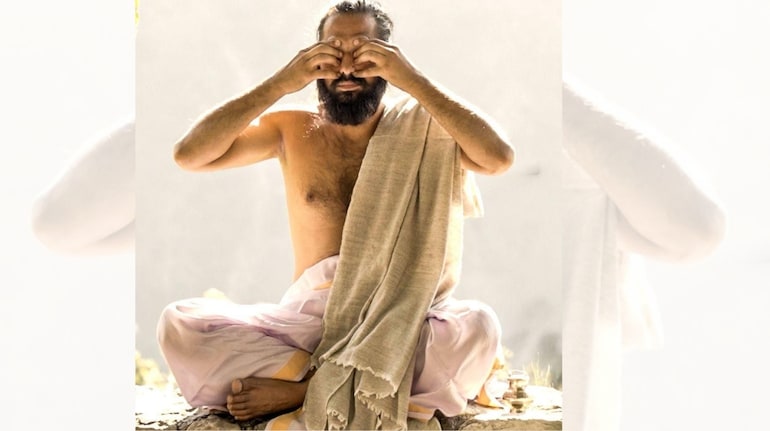

Bhramari Pranayama is an ancient yogic practice that is often brushed off as little more than a bee-like sound. According to yogic science, this modest-looking technique is nothing less than a complete brain science.
Yoga is a step-by-step science. Himalayan Siddhaa Akshar says, “The body is prepared through asana, energy is refined through pranayama, and awareness is guided inward through meditation and japa.” In today’s fractured attention economy, he notes, the mind rarely settles on its own. Special practices such as Bhramari are therefore essential to stabilise mental fluctuations and unlock inner potential.
The common misunderstanding, Akshar says, lies in assuming the sound is the practice. “The humming is important, but it is not everything,” he explains. “Sound, breath, posture and hand placement must work together. Without method, the depth is lost.” Like a meal without fire, Bhramari without precision never quite cooks. Its true impact emerges only when awareness accompanies every stage of the process.
Also Read: How to manage stress and weight naturally with yoga and breathwork?
Beginners are advised to start with five minutes, gradually extending to fifteen. The benefits, says Akshar, include, improved sleep, emotional regulation, sharper memory and clearer decision-making.
The vibration directly influences the brain and calms neural overactivity
Fingers activate subtle facial points, awakening dormant neural pathways
Sound anchors the mind, reducing anxiety and restlessness
Supports eyes, ears, nose and throat through balanced nerve function
The practice begins seated, spine upright, head aligned. “A straight spine allows energy to flow freely,” Akshar notes. Eyes are closed softly, without strain. Thumbs gently close the ears to reduce external distraction, while other fingers rest on specific facial points linked to the Sun and Moon channels, Surya and Chandra Nadi.
Also Read: Best yoga asanas to reduce daily stress, support your nervous system
This precise placement, often overlooked, is critical to the practice’s effectiveness. A slow inhalation through the nose follows. On exhalation, a steady hum fills the skull, spreading vibration through the head. Attention rests on the sound and its inner resonance. After several rounds, the hands are released and the practitioner sits quietly, allowing the effects to settle.
1. What is Bhramari Pranayama?
Bhramari Pranayama is an ancient yogic practice involving a humming sound that helps stabilise mental fluctuations and unlock inner potential.
2. How does Bhramari Pranayama help with stress?
The practice reduces anxiety and restlessness by anchoring the mind with sound, calms neural overactivity, and supports sensory health.
3. How often should beginners practice Bhramari Pranayama?
Beginners should start with five minutes and gradually extend to fifteen minutes.
4. What are the benefits of Bhramari Pranayama?
Benefits include improved sleep, emotional regulation, sharper memory, and clearer decision-making.
5. What is the correct posture for Bhramari Pranayama?
Sit with your spine upright and head aligned, allowing energy to flow freely, and close your eyes softly without strain.
Disclaimer: This article, including health and fitness advice, only provides generic information. Don’t treat it as a substitute for qualified medical opinion. Always consult a specialist for specific health diagnosis.
Discover the latest Business News, Sensex, and Nifty updates. Obtain Personal Finance insights, tax queries, and expert opinions on Moneycontrol or download the Moneycontrol App to stay updated!
Find the best of Al News in one place, specially curated for you every weekend.
Stay on top of the latest tech trends and biggest startup news.