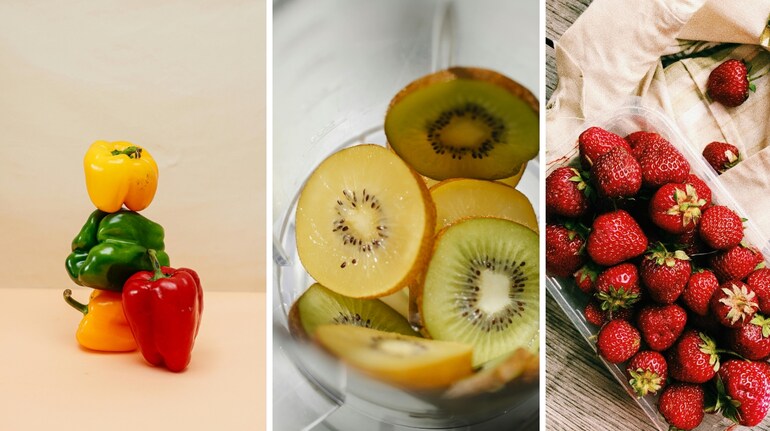

For those who have always thought oranges were the only way to get a good dose of vitamin C, it’s time to think again. Nutrition science and decades of research tell us that a variety of fruits and vegetables can deliver equal or even higher amounts of this essential nutrient.
Vitamin C is vital for immunity, collagen production, and iron absorption, all crucial for staying healthy year-round. Dr Shailesh Sahay, Senior Director of Internal Medicine at Max Hospital, Gurugram says, “Vitamin C is water-soluble, which means our body cannot store it for long. Regular intake through a variety of fresh foods is essential. Relying on one source like oranges can leave gaps in your nutrition.”
From guavas and amla to kiwi and bell peppers, the options are diverse and accessible. “Including these foods can reduce susceptibility to infections, speed up recovery from colds, and support well-being” he shares.
Also Read: What to do to stay safe from infections, allergies, and chronic flare-ups in this monsoon
Interestingly, cooking methods matter. “High heat can destroy vitamin C,” explains Dr Sahay. “Where possible, consume these foods raw or lightly cooked to retain maximum nutritional value.” This simple adjustment, combined with daily consumption of vitamin C–rich foods, can make a remarkable difference in immunity and health.
Guava is a powerhouse, offering more than double the daily recommended vitamin C in just one fruit. Beyond immunity, its fibre and antioxidants promote gut health and protect the heart. “Including guava in your diet is an easy way to get a large dose of vitamin C naturally,” notes Dr Sahay.
A staple in Indian households, amla is rich in vitamin C and packed with antioxidants. It has anti-inflammatory properties and can be consumed fresh, as juice, or in chutneys and powders. Dr Sahay recommends, “Amla is excellent for boosting immunity, particularly during the colder months.”
Red and yellow bell peppers often contain more vitamin C than citrus fruits. They are also loaded with beta-carotene, supporting skin and eye health. “Adding raw or lightly sautéed bell peppers to meals is a simple, tasty way to enhance vitamin C intake,” informs Dr Sahay.
Kiwi is small but mighty, rich in vitamin C, vitamin K, and potassium. It supports immune function and may help shorten the duration of common colds. “Kiwi is one of those fruits that’s as beneficial for immunity as it is for digestion,” adds Dr Sahay.
Strawberries are rich in vitamin C and flavonoids, which fight inflammation and oxidative stress. They are also low-calorie and heart-friendly. “Eat them for snacks.” he says.
1. What are some vitamin C-rich foods besides oranges?
Besides oranges, you can get vitamin C from guavas, amla (Indian gooseberry), bell peppers, kiwi, and strawberries.
2. How does cooking affect the vitamin C content in foods?
High heat can destroy vitamin C. It is best to consume these foods raw or lightly cooked to retain maximum nutritional value.
3. Why is regular intake of vitamin C important?
Vitamin C is water-soluble, meaning our body cannot store it for long. Regular intake through a variety of fresh foods is essential for immunity, collagen production, and iron absorption.
Disclaimer: This article, including health and fitness advice, only provides generic information. Don’t treat it as a substitute for qualified medical opinion. Always consult a specialist for specific health diagnosis
Discover the latest Business News, Sensex, and Nifty updates. Obtain Personal Finance insights, tax queries, and expert opinions on Moneycontrol or download the Moneycontrol App to stay updated!
Find the best of Al News in one place, specially curated for you every weekend.
Stay on top of the latest tech trends and biggest startup news.