- My Alerts
- Go Ad-Free
-
My Account











Top 11 Vitamin C-rich foods to include in your diet
Vitamin C plays a vital role beyond immunity – it aids collagen production, enhances iron absorption and protects against oxidative stress. You don’t need exotic supplements to meet your needs. A variety of fruits and vegetables can provide more than enough of this essential nutrient.




1/11
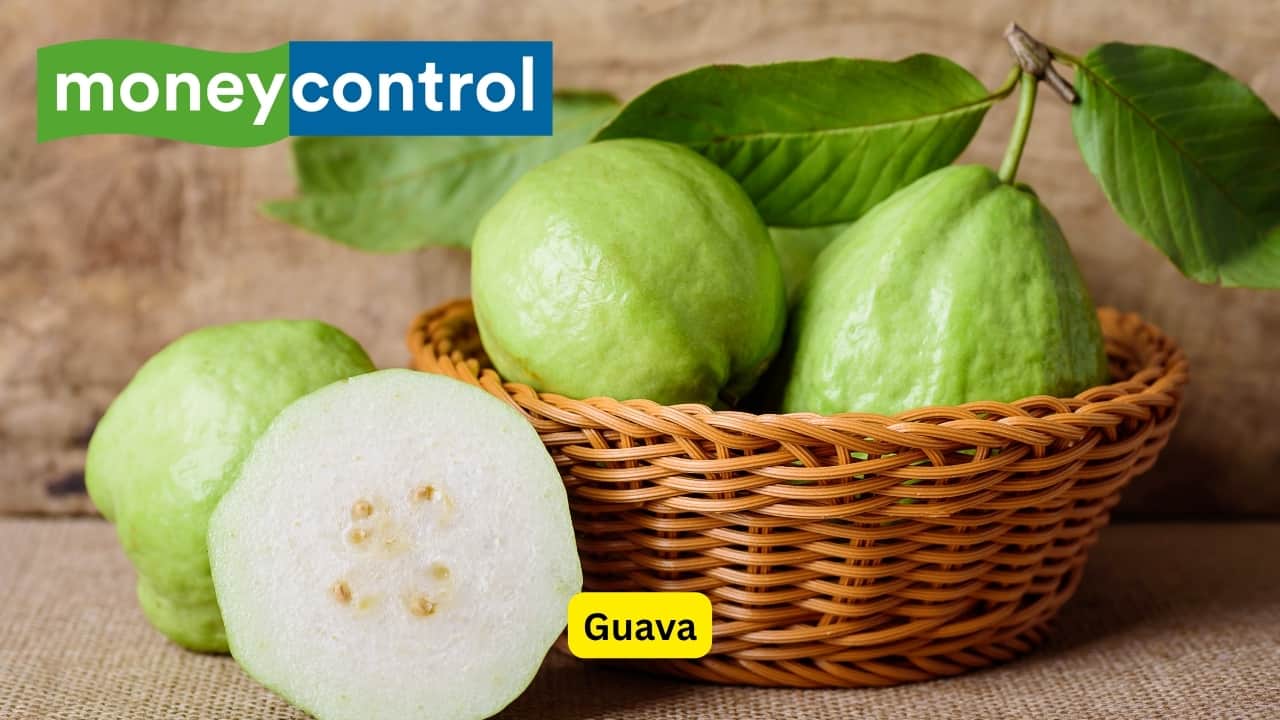
Health benefits of guava
One guava provides around 125 mg of vitamin C—more than most people's daily needs. Its juicy texture and sweet taste can easily be added to your diet. Guava is also loaded with fiber and antioxidants to increase digestion and decrease inflammation. You can eat guava raw, sliced into salads, or mixed into smoothies. (Image: Canva)
One guava provides around 125 mg of vitamin C—more than most people's daily needs. Its juicy texture and sweet taste can easily be added to your diet. Guava is also loaded with fiber and antioxidants to increase digestion and decrease inflammation. You can eat guava raw, sliced into salads, or mixed into smoothies. (Image: Canva)
2/11

Health benefits of red bell peppers
A cup of raw red bell pepper has about 118 mg of vitamin C. Red bell peppers can be eaten raw or cooked, are low in calories and are versatile in cooking. Additionally, red bell peppers contain carotenoids, and are a good source of vitamin A. They can add color and crunch to salads, stir-frys, and wraps. (Image: Canva)
A cup of raw red bell pepper has about 118 mg of vitamin C. Red bell peppers can be eaten raw or cooked, are low in calories and are versatile in cooking. Additionally, red bell peppers contain carotenoids, and are a good source of vitamin A. They can add color and crunch to salads, stir-frys, and wraps. (Image: Canva)
3/11
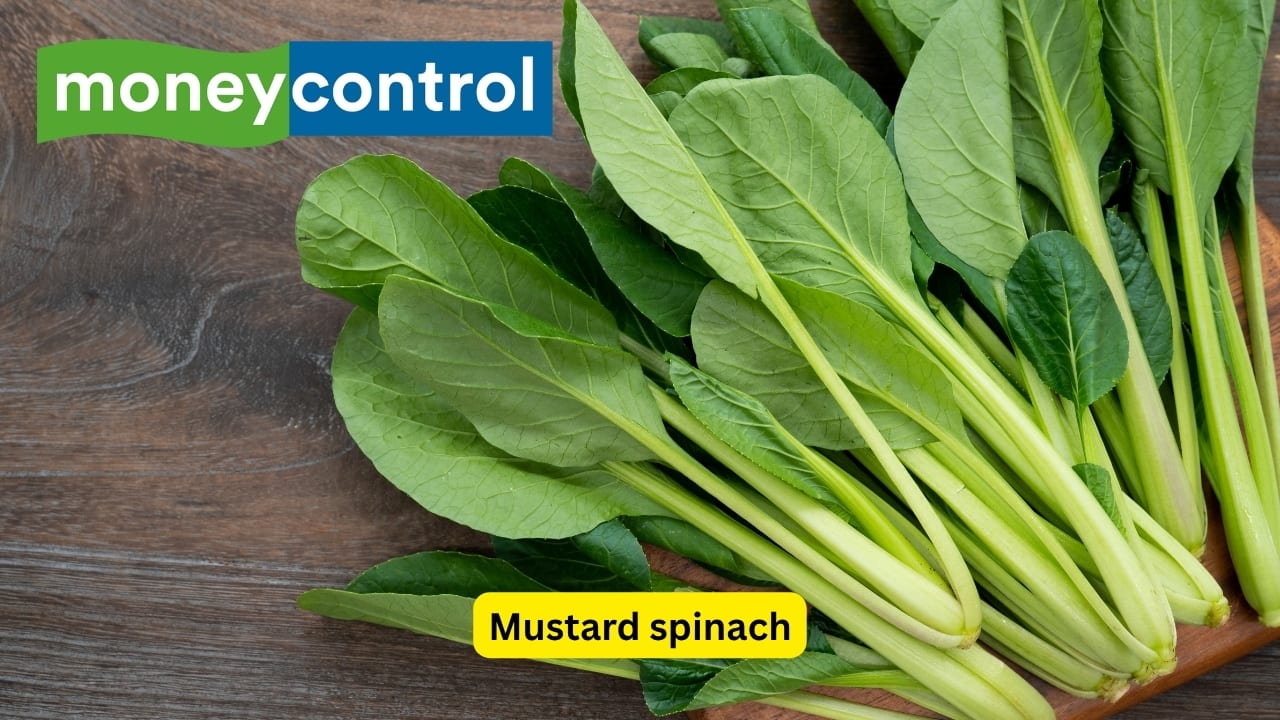
Health benefits of mustard spinach
Mustard spinach, or baby mustard greens, has about 117 mg of vitamin C cooked per cup. Its mild peppery taste works great in salads or stir-frys. It is full of antioxidants and anti-inflammatory properties, making it a great leafy green that supports immunity and wellness. (Image: Canva)
Mustard spinach, or baby mustard greens, has about 117 mg of vitamin C cooked per cup. Its mild peppery taste works great in salads or stir-frys. It is full of antioxidants and anti-inflammatory properties, making it a great leafy green that supports immunity and wellness. (Image: Canva)
4/11

Health benefits of papaya
One small papaya contains around 96 mg of vitamin C. In addition to vitamins, papaya supplies antioxidants and can work well in both sweet and savoury dishes. Papaya contains papain, an enzyme that may promote stomach comfort and gut health. (Image: Canva)
One small papaya contains around 96 mg of vitamin C. In addition to vitamins, papaya supplies antioxidants and can work well in both sweet and savoury dishes. Papaya contains papain, an enzyme that may promote stomach comfort and gut health. (Image: Canva)
5/11

Health benefits of strawberries
A cup of halved strawberries has approximately 89 mg of vitamin C. The juicy tartness of strawberries is delicious in breakfast bowls, salads or desserts. Strawberries are rich in antioxidants such as anthocyanins, potentially supporting both heart health and skin health. (Image: Canva)
A cup of halved strawberries has approximately 89 mg of vitamin C. The juicy tartness of strawberries is delicious in breakfast bowls, salads or desserts. Strawberries are rich in antioxidants such as anthocyanins, potentially supporting both heart health and skin health. (Image: Canva)
6/11

Health benefits of pineapple
Cubed pineapple provides approx. 79 mg of vitamin C per cup. In addition to vitamin C, pineapple contains bromelain, an enzyme that may support digestion. Pineapple is also hydrating and, because of its sweetness, works well in smoothies, grilled dishes or fruit salads. (Image: Canva)
Cubed pineapple provides approx. 79 mg of vitamin C per cup. In addition to vitamin C, pineapple contains bromelain, an enzyme that may support digestion. Pineapple is also hydrating and, because of its sweetness, works well in smoothies, grilled dishes or fruit salads. (Image: Canva)
7/11

Health benefits of oranges
The classic choice. A large orange will typically give about 68 mg of vitamin C. Oranges can be eaten on their own or juiced (with very little added sugar). Oranges are also a decent source of fibre and potassium, both supportive of heart and digestive health. (Image: Canva)
The classic choice. A large orange will typically give about 68 mg of vitamin C. Oranges can be eaten on their own or juiced (with very little added sugar). Oranges are also a decent source of fibre and potassium, both supportive of heart and digestive health. (Image: Canva)
8/11

Health benefits of kiwi
One kiwifruit is good for 64 mg of vitamin C. Although small, kiwis also contain some fibre, vitamin K and potassium. Kiwi fruit may also promote better sleep and improve immune function, making it an ideal choice for a bedtime snack or to kick start your morning. (Image: Canva)
One kiwifruit is good for 64 mg of vitamin C. Although small, kiwis also contain some fibre, vitamin K and potassium. Kiwi fruit may also promote better sleep and improve immune function, making it an ideal choice for a bedtime snack or to kick start your morning. (Image: Canva)
9/11

Health benefits of mango
A cup of pieces yields around 60 mg of vitamin C. Mangoes also deliver folate, magnesium and potassium. Furthermore, mangoes are rich in antioxidants, such as beta-carotene, and are good for skin and eye health. (Image: Canva)
A cup of pieces yields around 60 mg of vitamin C. Mangoes also deliver folate, magnesium and potassium. Furthermore, mangoes are rich in antioxidants, such as beta-carotene, and are good for skin and eye health. (Image: Canva)
10/11
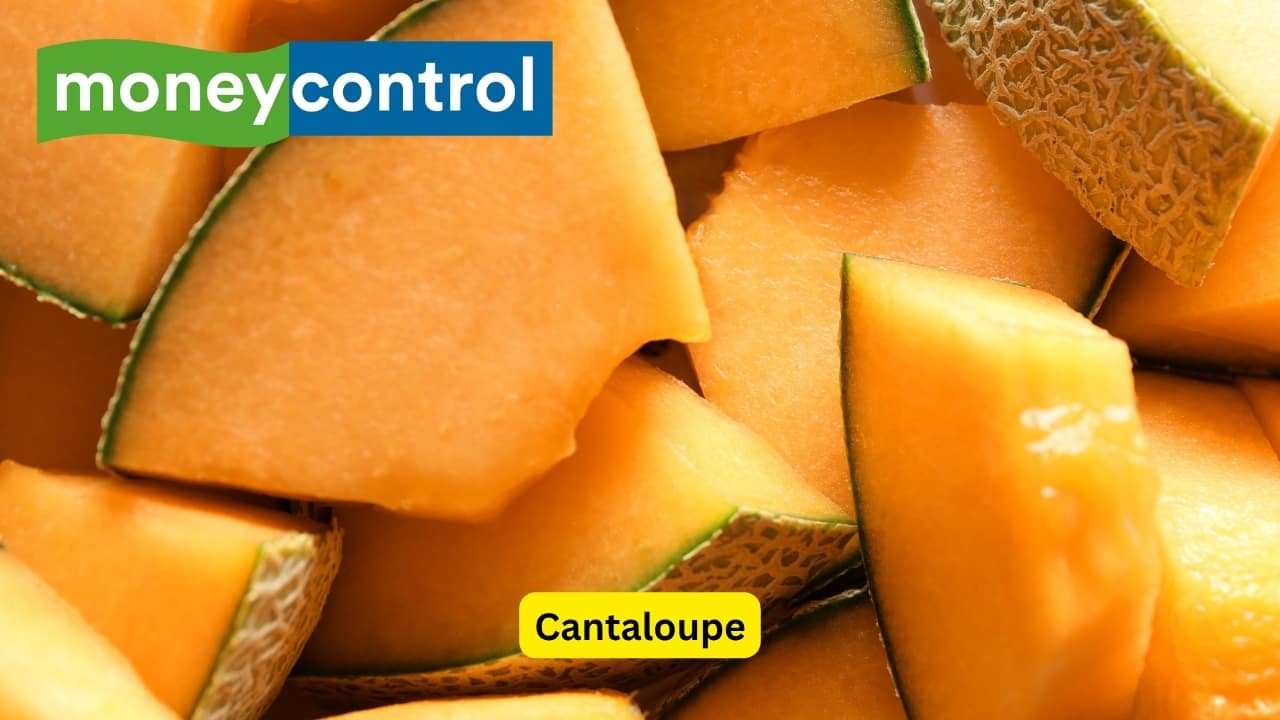
Health benefits of cantaloupe
Cantaloupe provides about 59 mg of vitamin C per cup. Cantaloupe is a hydrating, low-calorie fruit and works well in fruit salads or as a snack. Cantaloupe is refreshing because it’s hydrating, and its water content makes it appropriate for warm weather. Cantaloupe is also easy on the stomach. (Image: Canva)
Cantaloupe provides about 59 mg of vitamin C per cup. Cantaloupe is a hydrating, low-calorie fruit and works well in fruit salads or as a snack. Cantaloupe is refreshing because it’s hydrating, and its water content makes it appropriate for warm weather. Cantaloupe is also easy on the stomach. (Image: Canva)
11/11

Health benefits of broccoli
Cooked broccoli will provide about 51 mg of vitamin C per half cup. Broccoli is a cruciferous vegetable and will also provide some fibre and folate as well as phytonutrients that are beneficial for long-term health. Broccoli can be steamed, roasted or stir-fried—and adds nutrition and texture to your meals. (Image: Canva) (Disclaimer: This article, including health and fitness advice, only provides generic information. Don’t treat it as a substitute for qualified medical opinion. Always consult a specialist for specific health diagnosis)
Cooked broccoli will provide about 51 mg of vitamin C per half cup. Broccoli is a cruciferous vegetable and will also provide some fibre and folate as well as phytonutrients that are beneficial for long-term health. Broccoli can be steamed, roasted or stir-fried—and adds nutrition and texture to your meals. (Image: Canva) (Disclaimer: This article, including health and fitness advice, only provides generic information. Don’t treat it as a substitute for qualified medical opinion. Always consult a specialist for specific health diagnosis)
Discover the latest Business News, Budget 2025 News, Sensex, and Nifty updates. Obtain Personal Finance insights, tax queries, and expert opinions on Moneycontrol or download the Moneycontrol App to stay updated!



