
Winter is the time when a variety of vegetables crowd the markets, making it difficult to figure out seasonal and fresh produce. The body also craves energy and warmth, and thus people end up indulging in heavy foods. However, cold weather leads to sluggish digestion, and it’s also common to fall prey to colds and flu. One must be careful with the consumption of such items. Here are certain food items that should be totally avoided in winter.
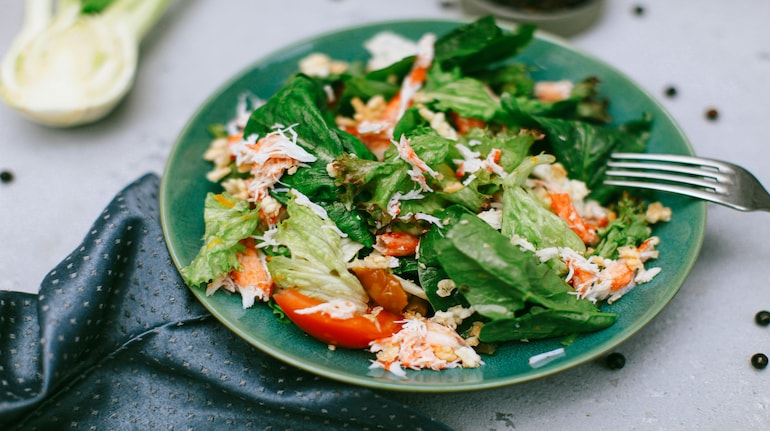
Think cold sodas, ice-creams, and raw salads. They make it difficult to stay warm by lowering your body temperature. Raw vegetables impact digestion and can trigger bloating and discomfort. Instead, it’s ideal to drink warm beverages, such as green tea and hot black coffee. Taking soups or lightly sautéed veggies is more ideal as they bring warmth, comfort, and support digestion.
Parwal (pointed gourd), torai (ridge gourd), and tinda (apple gourd) are some of the foods that should be avoided. They are mostly picked from cold storage and are loaded with preservatives, making them tasteless, devoid of nutrition, and harmful for digestion. Luckily, winter is the time when many seasonal foods, which are high in nutrition, are also available, such as sweet potatoes, beets, spinach, and others.
There’s no doubt that fried snacks like samosas and chips are delicious and comforting in winter, but the pleasure is only temporary. They can cause stomach discomfort, bloating, and pain. These foods affect digestion and contribute to weight gain, especially in winter, when body movement is much less. Alternatives like baked or air-fried snacks make for better options.
Fermented foods like dhokla, idli, and dosa are light on the stomach, but they increase acidity. When the weather is cold, sluggish digestion does no good, and eating them may cause pain and discomfort. Instead, replace them with warm meals that are good for digestion.
This may come as a surprise to many, but dairy products like cold milk and cheese can increase mucus production, which may worsen cold symptoms, if you have any. Even curd may aggravate a cold. While dairy products are considered healthy, their consumption should be kept in check.
1. Why does digestion slow down in winter?
Cold weather reduces physical activity and water intake, which can slow digestive processes.
2. Can dehydration affect digestion in winter?
Yes, drinking less water in winter can lead to bloating, constipation, and poor digestion.
3. What digestive issues are common in winter?
Constipation, acidity, bloating, and indigestion are more common during colder months.
4. What foods support better digestion in winter?
Warm, cooked foods, soups, fibre-rich vegetables, whole grains, and probiotic foods.
5. How can digestion be improved during winter?
Staying hydrated, eating warm meals, staying active, and maintaining regular meal timings help.
Disclaimer: This article, including health and fitness advice, only provides generic information. Don’t treat it as a substitute for qualified medical opinion. Always consult a specialist for specific health diagnosis.
Discover the latest Business News, Sensex, and Nifty updates. Obtain Personal Finance insights, tax queries, and expert opinions on Moneycontrol or download the Moneycontrol App to stay updated!
Find the best of Al News in one place, specially curated for you every weekend.
Stay on top of the latest tech trends and biggest startup news.