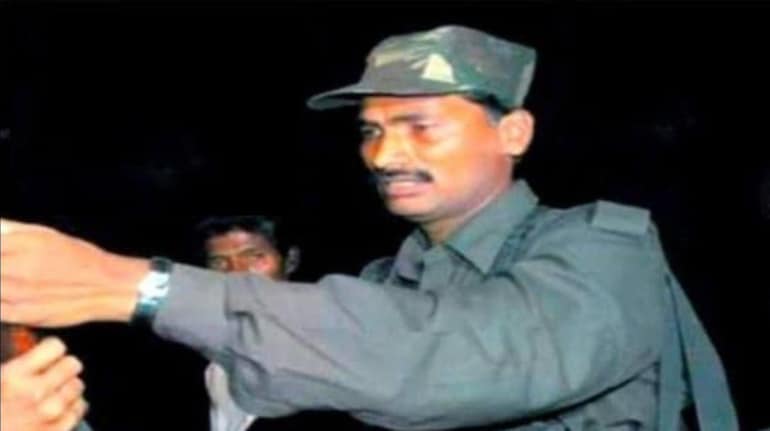

In an unprecedented blow to left-wing extremism, Thippiri Tirupathi alias Devuji, the 62-year-old highest-ranking member of the banned Communist Party of India (Maoist), has surrendered before the Telangana Police, according to media reports.
Significantly, no leader of this rank has ever laid down arms in the history of the Maoist movement. His surrender marks a pivotal moment in the government's ongoing campaign to eradicate Naxalism, coming just months after the party suffered a significant split over the future of its armed struggle.
Devuji, who carried a cumulative bounty of Rs 1 crore on his head across multiple states, was the head of the party's Central Military Commission and a key strategist behind the formation of the People's Liberation Guerrilla Army (PLGA). According to police reports, he is accused of masterminding attacks that resulted in the deaths of over 250 security personnel and six civilians.
Chhattisgarh Deputy Chief Minister Vijay Sharma reportedly described the development as a significant breakthrough, noting that the reported surrender of Devuji, along with another senior leader, Malla Raji Reddy, was a major victory. He pointed out that Devuji had been active for decades in the Abujhmad and Gadchiroli regions, making his surrender a key milestone.
Sharma attributed the success to the anti-Naxal strategy formulated by Union Home Minister Amit Shah at the national level, combined with the operational freedom granted to the Chhattisgarh government under Chief Minister Vishnu Deo Sai.
Devuji, a native of Jagtial district in Telangana, began his journey with the Maoist movement in 1986 after his involvement with the Radical Students Union during his college days. Over the years, he rose through the ranks to become a Central Committee member and later a member of the Politburo.
His surrender follows a period of intense turmoil within the organisation. While Devuji's faction staunchly advocated for the continuation of the armed struggle, senior Politburo member Mallojula Venugopal Rao, alias Sonu, surrendered last October, choosing to advocate for peace.
There is currently uncertainty regarding the exact leadership position Devuji held at the time of his surrender. While he was the highest-ranking member left in the party's Politburo, it remains unconfirmed whether he was formally elevated to the post of General Secretary following the death of Nambala Keshava Rao, alias Basavaraju, in an encounter in May 2025. Some intelligence officials believe he was appointed to the top-most post, a consideration that indicated a significant shift in the Maoist leadership structure.
Despite his instrumental role in building the PLGA alongside leaders like Basavaraju and Muppala Laxman Rao, alias Ganapathi, Devuji's leadership faced considerable challenges. According to an official quoted by The Indian Express, he struggled to stem the tide of surrenders and recruit new members, which led to a major depletion in the organisation's strength during his tenure.
The development comes just days after security agencies assessed that only four top leaders and around 300 armed cadres remained as the final challengers sustaining left-wing extremism in the country. Union Home Minister Amit Shah has repeatedly asserted that Naxal violence is in its final phase.
While addressing the Delhi Police Raising Day function, he stated that the last 12 years under Prime Minister Narendra Modi's leadership have marked a transformative period for India's internal security, and has set a deadline of March 31, 2026, to eliminate the menace entirely.
First in Maoist history
In an unprecedented blow to left-wing extremism, Thippiri Tirupathi alias Devuji, the 62-year-old highest-ranking member of the banned Communist Party of India (Maoist), has surrendered before the Telangana Police, according to media reports..
Significantly, no leader of this rank has ever laid down arms in the history of the Maoist movement. His surrender marks a pivotal moment in the government's ongoing campaign to eradicate Naxalism, coming just months after the party suffered a significant split over the future of its armed struggle.
Devuji, who carried a cumulative bounty of Rs 1 crore on his head across multiple states, was the head of the party's Central Military Commission and a key strategist behind the formation of the People's Liberation Guerrilla Army (PLGA). According to police reports, he is accused of masterminding attacks that resulted in the deaths of over 250 security personnel and six civilians.
Chhattisgarh Deputy Chief Minister Vijay Sharma reportedly described the development as a significant breakthrough, noting that the reported surrender of Devuji, along with another senior leader, Malla Raji Reddy, was a major victory. He pointed out that Devuji had been active for decades in the Abujhmad and Gadchiroli regions, making his surrender a key milestone.
Sharma attributed the success to the anti-Naxal strategy formulated by Union Home Minister Amit Shah at the national level, combined with the operational freedom granted to the Chhattisgarh government under Chief Minister Vishnu Deo Sai.
Devuji, a native of Jagtial district in Telangana, began his journey with the Maoist movement in 1986 after his involvement with the Radical Students Union during his college days. Over the years, he rose through the ranks to become a Central Committee member and later a member of the Politburo.
His surrender follows a period of intense turmoil within the organisation. While Devuji's faction staunchly advocated for the continuation of the armed struggle, senior Politburo member Mallojula Venugopal Rao, alias Sonu, surrendered last October, choosing to advocate for peace.
There is currently uncertainty regarding the exact leadership position Devuji held at the time of his surrender. While he was the highest-ranking member left in the party's Politburo, it remains unconfirmed whether he was formally elevated to the post of General Secretary following the death of Nambala Keshava Rao, alias Basavaraju, in an encounter in May 2025. Some intelligence officials believe he was appointed to the top-most post, a consideration that indicated a significant shift in the Maoist leadership structure.
Despite his instrumental role in building the PLGA alongside leaders like Basavaraju and Muppala Laxman Rao, alias Ganapathi, Devuji's leadership faced considerable challenges. According to an official quoted by The Indian Express, he struggled to stem the tide of surrenders and recruit new members, which led to a major depletion in the organisation's strength during his tenure.
The development comes just days after security agencies assessed that only four top leaders and around 300 armed cadres remained as the final challengers sustaining left-wing extremism in the country. Union Home Minister Amit Shah has repeatedly asserted that Naxal violence is in its final phase.
While addressing the Delhi Police Raising Day function, he stated that the last 12 years under Prime Minister Narendra Modi's leadership have marked a transformative period for India's internal security, and has set a deadline of March 31, 2026, to eliminate the menace entirely.
Discover the latest Business News, Sensex, and Nifty updates. Obtain Personal Finance insights, tax queries, and expert opinions on Moneycontrol or download the Moneycontrol App to stay updated!
Find the best of Al News in one place, specially curated for you every weekend.
Stay on top of the latest tech trends and biggest startup news.