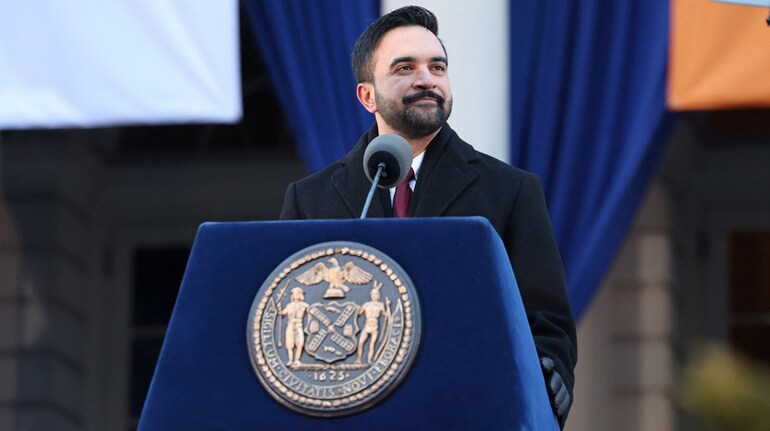

New York Mayor Zohran Mamdani has been criticised for describing the hijab as the “identity and pride” of Muslim women in a message marking World Hijab Day. His statements, published on social media, have started a broader debate about religious expression, personal choice and the global politics surrounding the head covering.
In his post, Mamdani called the headscarf “a powerful symbol of devotion and celebration of Muslim heritage.” He portrayed it as a display of faith and cultural identity, matching his message with the goals of World Hijab Day, an annual event that attempts to promote understanding of the hijab and counter Islamophobia.
However, the mayor’s remarks were quickly met with criticism, particularly from those who argue that the hijab must also be viewed from the prism of coercion this is common in some parts of the world. An exiled Iranian journalist responded publicly, questioning the framing of the hijab as a universal sign of pride. “Really?” she wrote. “Women in my wounded country, Iran, are being shot and killed for refusing hijab.” She was referring to ongoing demonstrations and clampdowns in Iran that are connected to compulsory dress codes in the country.
The exchange sits in the middle of a longstanding global tension in debates about the hijab. In countries such as the United States, many Muslim women consider wearing the hijab as a personal and voluntary choice as they try to reiterate their faith and identity. They often view the freedom to wear it as a symbol of their autonomy and agency. Civil rights groups also defend the right to wear religious clothes and symbols as essential to protecting the freedom of religion and expression.
At the same time, there have been cases where women have refused to comply with state’s enforcement of hijab laws and even lost their lives in the process. Twenty-two-year-old Mahsa Amini of Iran, for example, died in 2022 after she was detained by the country’s “morality police” for not wearing a hijab. Women elsewhere who have refused to comply have faced harassment, detention and violence. Amini’s death led to widespread demonstrations among the global community that stands against compulsory hijab policies.
Beyond his initial post, Mamdani has not provided any further clarification. His supporters argue that the statement was meant to support the rights of Muslim women in New York to wear the hijab without being discriminated. Critics, however, claim that characterising it as the “defining identity” of Muslim women risks overlooking the complexity of the topic. There are multiple views on the topic even within Muslim communities, while the realities of forced veiling across the world must not be overlooked either.
The episode shows how conversations around religious symbols often take on multiple and opposing meanings, depending on political and cultural circumstances. In diverse culture, the focus tends to be on defending individual choice. Globally, however, the same symbol can be linked with both empowerment and confinement, making public statements on the matter especially sensitive.
Discover the latest Business News, Sensex, and Nifty updates. Obtain Personal Finance insights, tax queries, and expert opinions on Moneycontrol or download the Moneycontrol App to stay updated!
Find the best of Al News in one place, specially curated for you every weekend.
Stay on top of the latest tech trends and biggest startup news.