

co-presented by
ASSOCIATE SPONSORS
co-presented by


ASSOCIATE SPONSORS







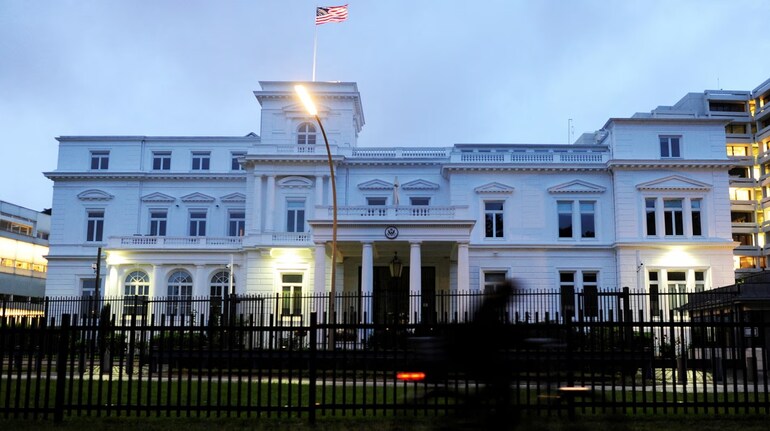
The US State Department will be closing several consulates, predominantly in Western Europe, as the Trump administration reduces the workforce in an effort to cut costs, with concerns regarding diminished diplomatic influence and security threats around the world.
The US State Department is planning to shut down a number of consulates, mostly in Western Europe, as part of an overall plan to reduce its worldwide workforce. The action follows President Donald Trump's executive order to make government operations leaner and cheaper, prompting worries about the future of US diplomacy and foreign engagement.
Major consulates that are to be closed
Officials who know the plans confirm that diplomatic posts in Leipzig, Hamburg, and Dusseldorf in Germany, Bordeaux and Strasbourg in France, and Florence in Italy are some of the missions being eyed for closure. Also on the chopping block is the consulate in Gaziantep, Turkey, which is an important hub for humanitarian work in Syria.
The move is part of a larger restructuring process that involves consolidating Washington-based expert bureaus dealing with human rights, refugees, combating human trafficking, and women's affairs. While the administration contends that the reforms will make the agency more efficient, critics caution that they will weaken US diplomatic clout and create a power vacuum that could be filled by rivals like China and Russia.
Workforce cuts and bureaucratic shake-up
Earlier last month, the Trump administration had ordered US missions around the world to cut at least 10% of staff—both Americans and local employees. This was in the midst of a larger federal reduction initiative led by Trump and billionaire staffer Elon Musk, who was asked to make recommendations for saving costs across government departments.
Trump's "America First" platform long included efforts to "drain" what he calls the "deep state," referring to career civil servants that he considers enemies of his agendas. Some find these reductions good for fiscal management, while others claim that they might limit American diplomatic power.
Opponents of the cuts worry that reducing diplomatic posts and disassembling USAID—a agency accountable for billions of dollars in foreign aid—would undermine US leadership and influence. "These closures don't just impact the diplomats—they impact businesses, trade relationships, intelligence-gathering, and crisis response," said a senior State Department official.
Republican lawmakers have been sceptical about the shift, especially amid increasing geopolitical tensions. "We don't want to undermine our presence in the world when China and Russia are building it up," said a Senate Foreign Relations Committee member.
Internal debate and Congressional notification
The State Department has reassured that its international presence is being "carefully evaluated" to best further US interests. But the latest notification by the administration to Congress regarding the scheduled closure of the Gaziantep consulate further fuelled controversy. The consulate has been an important venue for US attempts to provide humanitarian aid to northern Syria, and its closure threatens to interfere with humanitarian activities.
In spite of the furore, the administration is sticking to its downsizing agenda. The State Department is one of the largest federal agencies with almost 70,000 employees around the globe. Whether these budget cuts will bring their desired efficiency benefits or undermine America's position in the world remains to be seen.
Discover the latest Business News, Sensex, and Nifty updates. Obtain Personal Finance insights, tax queries, and expert opinions on Moneycontrol or download the Moneycontrol App to stay updated!
Find the best of Al News in one place, specially curated for you every weekend.
Stay on top of the latest tech trends and biggest startup news.