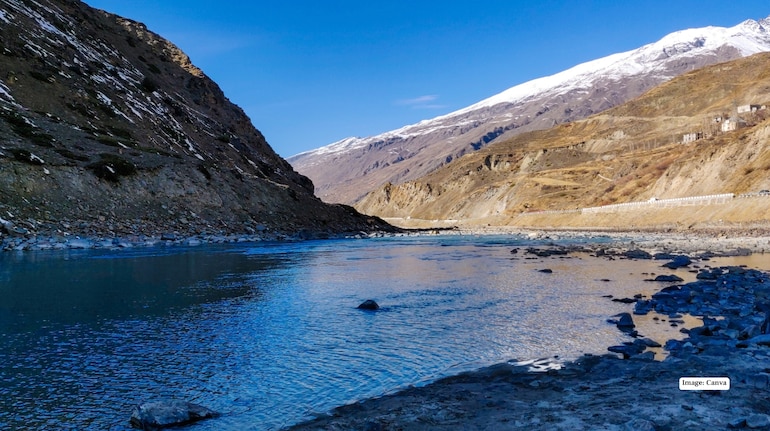

Tourism activities in Sissu, a popular winter destination in Himachal Pradesh’s Lahaul-Spiti district, will remain suspended for 40 days from January 20 to February 28, as the local gram panchayat moves to safeguard the region’s religious customs and cultural sanctity.
The decision has been taken collectively by village elders, religious bodies and the Sissu Gram Panchayat to ensure uninterrupted observance of sacred winter festivals such as Losar (Tibetan New Year) and the Halda festival, both of which hold deep spiritual significance for the local community.
Official Announcement Shared on X
The restriction was formally communicated through a public announcement by the village leadership.
📌All tourism activities in Gram Panchayat Sissu,Lahaul Spiti will remain suspended for 40 days from 20th Jan to 28th Feb. The decision has been taken in view of the religious and cultural observances of the region(including Halda festival) and to ensure peace and sanctity.… pic.twitter.com/Icwqnaix9J— • 𑚩𑚮𑚢 𑚄𑚦𑚭𑚏 • (@HimUvaach) January 11, 2026
The advisory applies to all forms of tourism, including hotel stays, homestays, sightseeing, adventure sports and recreational activities within the panchayat’s jurisdiction.
Why Sissu Observes a Period of Spiritual Silence
For residents of Sissu, the late January–February period marks one of the holiest phases of the lunar calendar. During this time, the valley enters what locals describe as a phase of collective spiritual seclusion, when prayers, rituals and community gatherings take precedence over daily commerce.
According to long-held beliefs, the presence of outsiders during this phase can disturb the spiritual energy required for the successful completion of rituals dedicated to local deities such as Raja Ghepan and Goddess Bhoti. As a result, the Panchayat has mandated a complete pause on tourism-related activity.
Hotels, guesthouses and homestays have been instructed not to accept bookings, while tour operators and adventure sports providers must temporarily shut down operations.
Losar and Halda: Festivals at the Heart of the Ban
The cultural identity of the Lahaul Valley is closely tied to Buddhist traditions and indigenous customs passed down over centuries. During the ban period, villagers celebrate Losar, marking the Tibetan New Year, with private ceremonies, family rituals and monastery prayers.
The Halda festival, unique to the region, involves lighting cedar twigs to symbolise the victory of light over darkness. These ceremonies are conducted with strict discipline, chanting and offerings, and are traditionally observed without external influence.
Locals stress that the ban is not anti-tourism, but a necessary step to prevent the commercialisation of sacred traditions.
Impact on Tourism and Local Economy
While winter tourism has surged in recent years—especially after the opening of the Atal Tunnel, which provides year-round access to Lahaul—the community has chosen faith over financial gain during this period.
All popular attractions around Sissu, including frozen waterfalls, trekking routes and snow adventure zones, will remain off-limits. Activities such as skiing, tube sliding, zip-lining and even hot air ballooning have been suspended.
Winter logistics also play a role. Heavy snowfall often blocks roads and strains local infrastructure, making it difficult to manage large tourist crowds. Limiting entry during peak winter weeks reduces pressure on essential services and ensures residents can focus on religious obligations.
How the Ban Is Being Enforced
The closure is being enforced by village authorities with support from local youth groups and women’s collectives. Informational barriers have been placed at entry points, and travellers are being advised in advance about the restrictions.
While the Manali–Keylong highway via the Atal Tunnel may remain open, Sissu village itself is a restricted zone for leisure visits. Authorities have urged travellers to respect local sentiments and avoid attempts at sightseeing or photography during the ban period.
A Growing Tension Between Tourism and Tradition
Since the Atal Tunnel’s inauguration, Sissu has seen a dramatic rise in winter footfall. Once cut off for months, the valley is now accessible throughout the year, transforming it into a hotspot for snow tourism.
However, local leaders say the sudden influx has also made the region vulnerable to cultural dilution. The 40-day closure serves as a reminder that the valley’s spiritual heritage takes precedence over modern travel trends.
What Tourists Should Know
Travellers planning a visit are advised to reschedule trips to March onwards, when the valley reopens after the completion of religious ceremonies.
Until then, Sissu will remain wrapped in silence—its snow-covered landscapes reserved for ancient chants, glowing Halda fires and traditions that have endured long before tourism arrived.
Discover the latest Business News, Sensex, and Nifty updates. Obtain Personal Finance insights, tax queries, and expert opinions on Moneycontrol or download the Moneycontrol App to stay updated!
Find the best of Al News in one place, specially curated for you every weekend.
Stay on top of the latest tech trends and biggest startup news.