
New traffic rules in Mumbai from February 1, 2026: What commuters and travellers need to know.
Mumbai is set to roll out a fresh set of traffic regulations from February 1, 2026, as the Mumbai Traffic Police moves to ease congestion, improve road safety, and streamline vehicle movement across the city. The new rules place stricter controls on heavy vehicles, introduce tighter parking norms, and redefine traffic access in key areas, including tourist zones.
With over 20 million residents and one of India’s most complex urban road networks, Mumbai’s traffic challenges have long been a concern. Authorities say the latest measures are aimed at reducing bottlenecks during peak hours, lowering pollution levels, and ensuring safer roads for daily commuters and visitors.
Heavy vehicles barred during peak hours
One of the most significant changes under the new order is the restriction on the entry and movement of heavy vehicles during peak traffic hours. From February 1:
Traffic officials say slow-moving heavy vehicles often contribute to major bottlenecks during rush hours, particularly on arterial roads and business corridors. The restrictions are expected to improve traffic flow and reduce delays for public transport and emergency vehicles.
Parking rules tightened across the city
Parking regulations have also been tightened to prevent road obstruction and illegal halts:
Unauthorized parking in busy commercial zones and near intersections will attract stricter penalties, including fines and towing, officials said.
Which vehicles are exempt from the new rules?
Certain categories of vehicles have been exempted to ensure uninterrupted essential services:
Impact on key areas and tourist zones
The new traffic framework will have a noticeable impact on high-density zones, particularly South Mumbai, which houses major offices, government buildings, heritage precincts, and popular tourist landmarks.
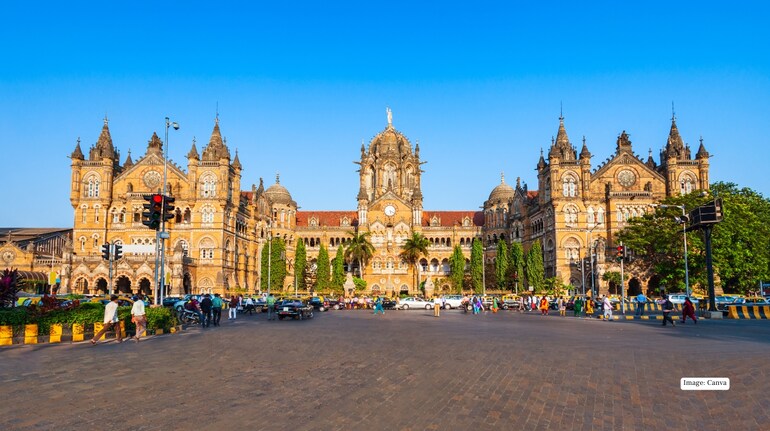
Authorities are also revising traffic zoning around tourist-heavy areas such as Colaba, the Gateway of India, and Chhatrapati Shivaji Maharaj Terminus (CST). These locations will see clearer pedestrian zones and restricted vehicle access, part of a broader push to make Mumbai more walkable and tourist-friendly.
Officials say the changes aim to reduce congestion, improve air quality, and enhance safety in areas that attract large crowds throughout the year.
Enforcement to be stricter; penalties for violations
The Mumbai Traffic Police has said enforcement of the new rules will be stricter than before. Heavy vehicles found operating in restricted zones or during prohibited hours may face fines, penalties, or even vehicle impoundment.
Regular patrols, surveillance, and on-ground checks will be carried out to ensure compliance, officials added.
Businesses raise logistics concerns
While many commuters have welcomed the move, transporters and logistics operators have raised concerns over potential delivery delays due to peak-hour restrictions. Authorities have advised freight operators to reschedule movements outside restricted hours, though industry groups continue to seek clarity on long-term operational impact.
Public awareness drive to follow
To ensure smooth implementation, the Mumbai Traffic Police will launch a public awareness campaign highlighting the new rules, road safety guidelines, and compliance benefits. Updates will be shared through official websites, social media channels, and local outreach programmes.

Discover the latest Business News, Sensex, and Nifty updates. Obtain Personal Finance insights, tax queries, and expert opinions on Moneycontrol or download the Moneycontrol App to stay updated!
Find the best of Al News in one place, specially curated for you every weekend.
Stay on top of the latest tech trends and biggest startup news.