






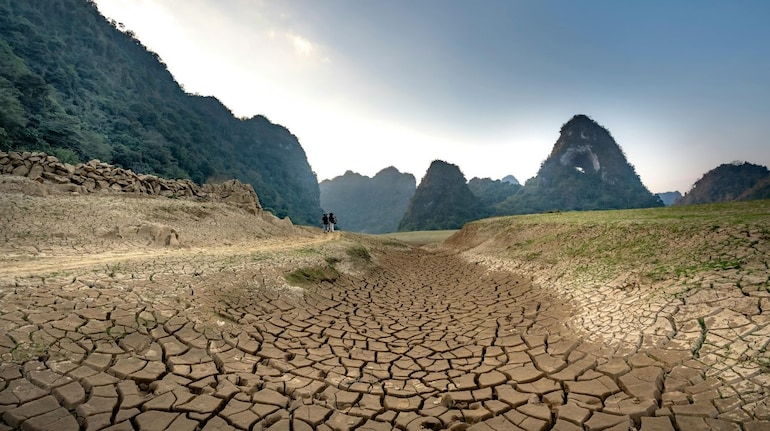

A new United Nations report warns that humanity has entered what researchers call an era of “water bankruptcy,” as rising demand and climate pressures drain rivers, aquifers and long-term reserves worldwide, according to a study published in Water Resources Management.
Water Bankruptcy and Shrinking Global Supplies
The report was led by Kaveh Madani. He works at the UN University INWEH. He used a financial metaphor to explain. Surface water acts like a checking account. Rivers and lakes refill through rainfall. That account is now running dry. Groundwater and glaciers are long term savings. Those reserves are also being depleted rapidly. Three quarters of people face shortages. Four billion face scarcity monthly each year. Around seventy percent of aquifers decline.
Madani said warning signs resemble bankruptcy signals. Relying on groundwater mirrors spending savings. It delays crisis but deepens collapse. Agriculture and cities expand into arid zones. Global warming intensifies drought and evaporation. Rainfall patterns grow less predictable worldwide.
Water Shortages, Conflict and Economic Strain
The report links scarcity with instability. Water stress can drive migration. It can also fuel unrest. Madani cited protests in Iran. He said shortages worsened tensions there. Iran faced its driest autumn recently. Lake Urmia has nearly disappeared. Wells and dams accelerated groundwater loss. Authorities even discussed evacuating Tehran. Cloud seeding efforts were also attempted.
The Colorado River shows similar strain. Its flow dropped 20% recently. Lower rainfall and heat drove decline. Heavy agricultural diversion worsened shortages. Cities like Los Angeles depend heavily. Reservoirs now stand near 30%. Bradley Udall warned of dead pool risk. Levels could fall critically by 2027. Talks over water cuts collapsed last year.
Agriculture, Pollution and Measuring Water Use
Efficiency gains alone may mislead. Improved irrigation can increase total consumption. Less runoff means less downstream return. Udall said farming cuts remain essential. Agriculture uses most global freshwater supplies. Half of food comes from declining basins. Over one billion rely on farming. Reductions carry social and economic risks.
Pollution deepens the crisis further. Wetlands the size of EU vanished. Losses cost trillions in services. Bangladesh shows water yet unsafe supplies. Sea intrusion contaminated wells with arsenic. Dhaka’s river suffers industrial pollution. Sonia Hoque noted political sensitivities there.
Madani urged better accounting first. Many nations lack accurate water tracking. Meters and monitoring must expand widely. He said you cannot manage unmeasured use. The report concludes adaptation is possible. Governments must plan before crisis worsens.
Discover the latest Business News, Sensex, and Nifty updates. Obtain Personal Finance insights, tax queries, and expert opinions on Moneycontrol or download the Moneycontrol App to stay updated!
Find the best of Al News in one place, specially curated for you every weekend.
Stay on top of the latest tech trends and biggest startup news.





