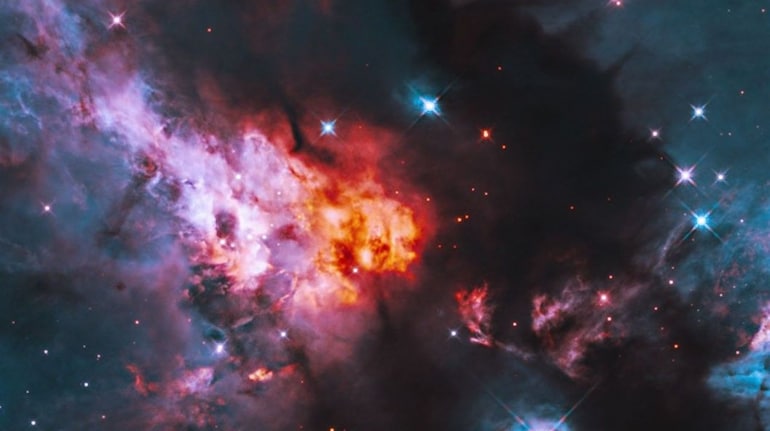

NASA’s Hubble telescope has photographed stars still being born. These are not ordinary stars yet. They are called protostars who are cosmic infants wrapped in dust. Thick clouds usually hide these newborn suns. But NASA's Hubble can see through the darkness. Its infrared vision reveals hidden stellar nurseries. The universe’s youngest stars finally have portraits.
What Exactly Are Protostars?
The protostars form inside dense clouds of gas. Gravity pulls material inward over thousands of years. The core heats up rapidly and jets blast outward from the forming star. These jets carve tunnels through surrounding dust. Light escapes through these narrow cosmic corridors. Hubble detects this faint infrared glow. This glow reveals the hidden star.
Hubble’s Stunning Stellar Baby Gallery
Several star-forming regions were captured in new observations. Each image shows a different birth stage. In Cepheus A, a bright infant star glows strongly. Its light illuminates nearby cosmic clouds and the gas swirls like smoke in space.
In G033.91+0.11, a hidden star reflects light off dust. The cloud acts like a cosmic mirror. The star remains mostly concealed.
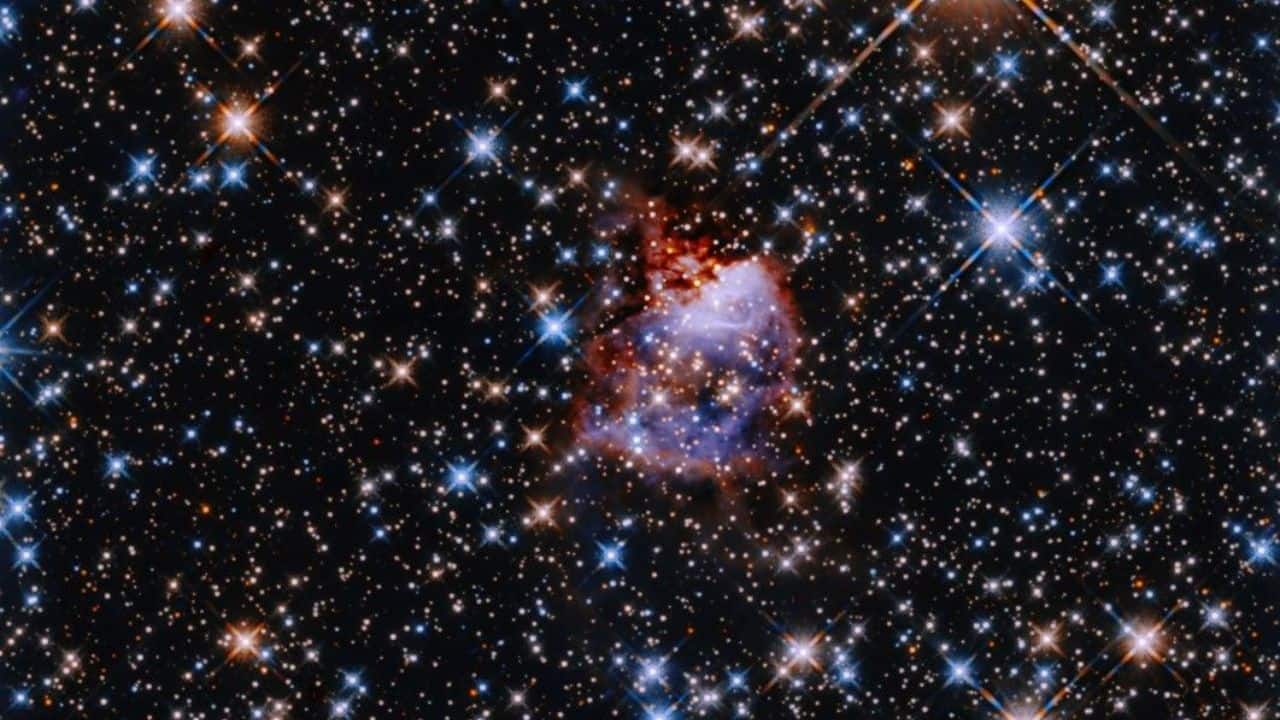 G033.91+0.11 (Image: NASA)
In GAL-305.20+00.21, hydrogen gas shines brightly. Radiation excites the surrounding space. The newborn star energises its environment.
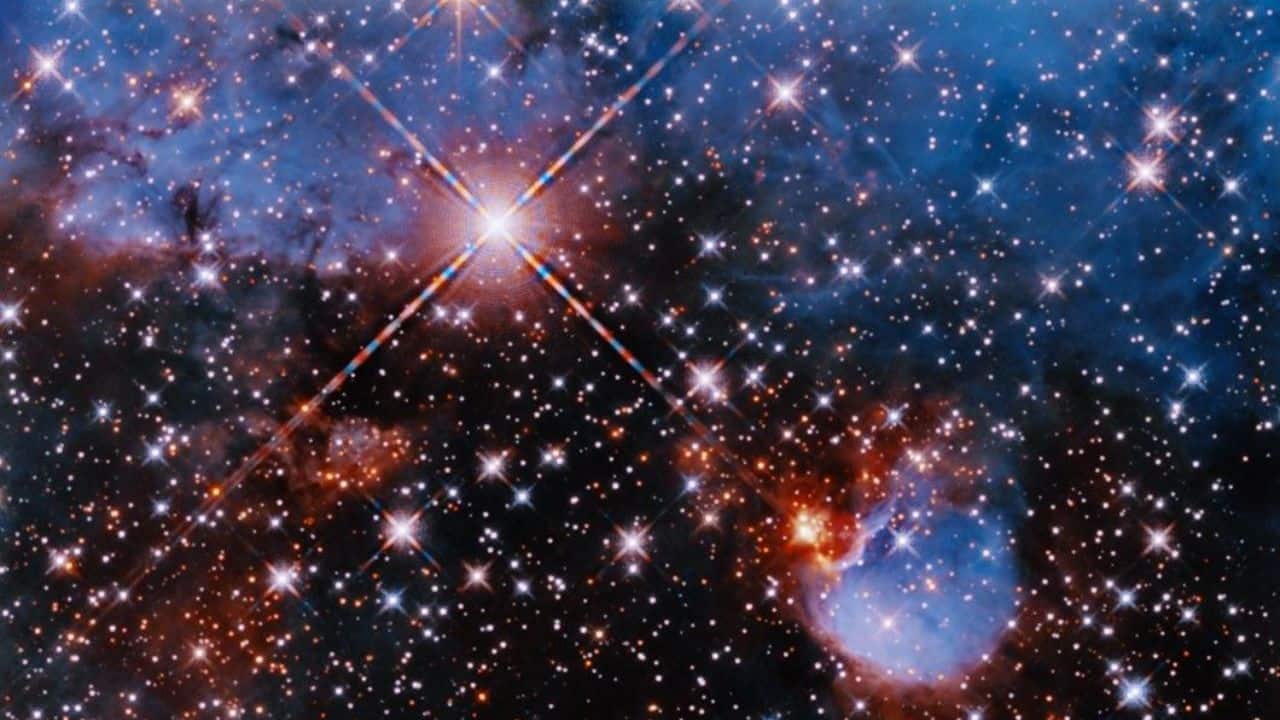 GAL-305.20+00.21 (Image: NASA)
In IRAS 20126+4104, powerful jets burst outward. The star is massive and extremely hot. Its outflows stretch across space.
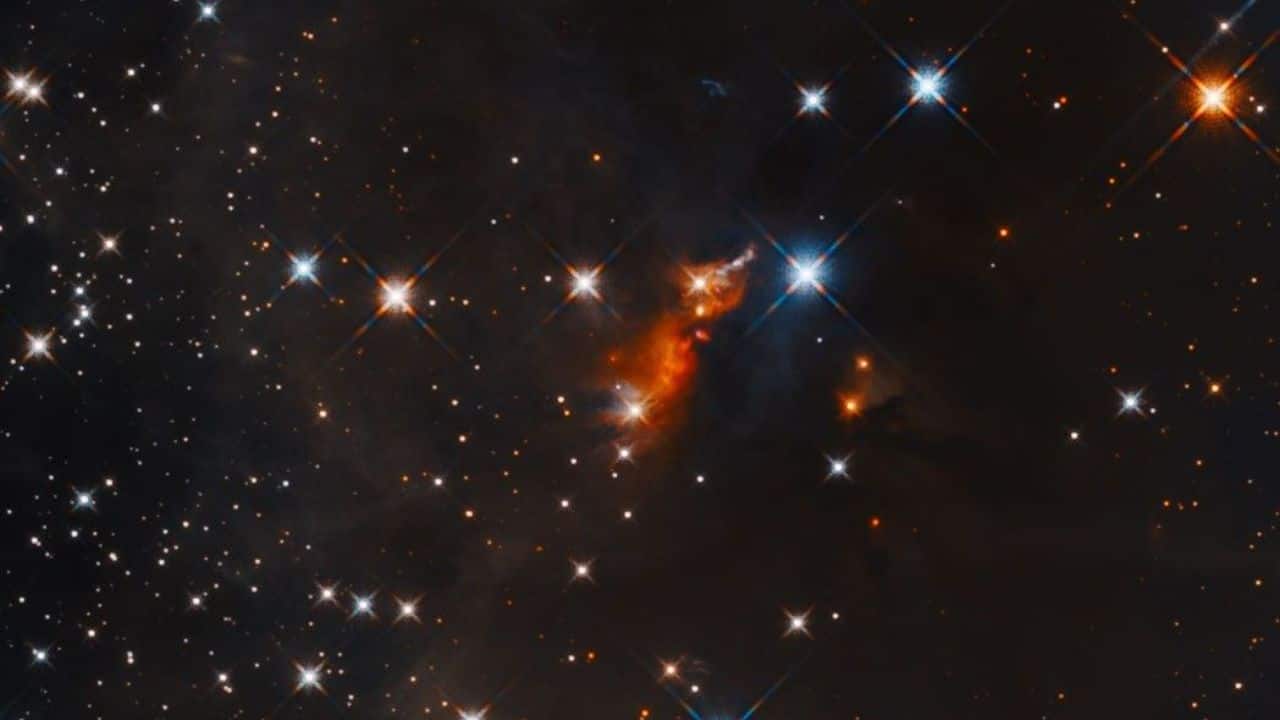 IRAS 20126+4104 (Image: NASA)
A Larger Cosmic Survey
The images belong to the SOMA Star Formation Survey. It studies massive stars across the Milky Way. Multiple observatories collected the data. Different environments create different stars. Some form alone and others form in clusters. These patterns explain galaxy evolution.
Why These Images Matter?
Massive stars shape the universe. They create heavy elements and trigger new star births. They explode as supernovae later. Yet their formation remains mysterious. Dust hides their earliest stages. Hubble helps scientists see the unseen.
A Glimpse into Our Past
The Sun was once a protostar which was formed inside a dusty cloud. The same forces shaped the entire Solar System. Studying stellar babies reveals our origins. It also shows how stars will form. The universe keeps its baby photos safe.
Discover the latest Business News, Sensex, and Nifty updates. Obtain Personal Finance insights, tax queries, and expert opinions on Moneycontrol or download the Moneycontrol App to stay updated!
Find the best of Al News in one place, specially curated for you every weekend.
Stay on top of the latest tech trends and biggest startup news.