
Rainfall is increasing across the Antarctic Peninsula, scientists report, warning that a region once defined by dry cold conditions is shifting towards wetter weather with serious consequences for ice, wildlife and research operations.
Rain has long been rare in Antarctica. Field teams usually prepare for glare and cold. Gravel runways stay usable due to dryness. Historic huts survive in preserved air. That stable pattern is now changing.
The narrow Antarctic Peninsula is warming rapidly. It already ranks warmest across Antarctica. Temperatures rise faster than global averages. Scientists studied three future emissions scenarios. They examined high, medium and low pathways. Results show precipitation will slightly increase. More of it will fall as rain. Days above zero degrees will grow common.
Heatwaves and Atmospheric Rivers Intensify Rainfall
Extreme weather has already disrupted conditions. In February 2020 temperatures reached 18.6°C. Surface melt accelerated at record pace. Atmospheric rivers now reach the peninsula. These are long corridors of moist air. In February 2022 one triggered severe melting. In July 2023 rain fell midwinter. Temperatures then reached plus 2.7°C. Such events are becoming increasingly frequent.
Scientists warn combined heat and rainfall accelerates melt. Snow melts faster when rain falls. Glaciers lose vital surface nourishment. Meltwater can reach glacier beds below. That lubrication speeds glacier movement seaward. Faster flow increases iceberg calving rates.
Ice Shelves and Sea Ice Under Threat
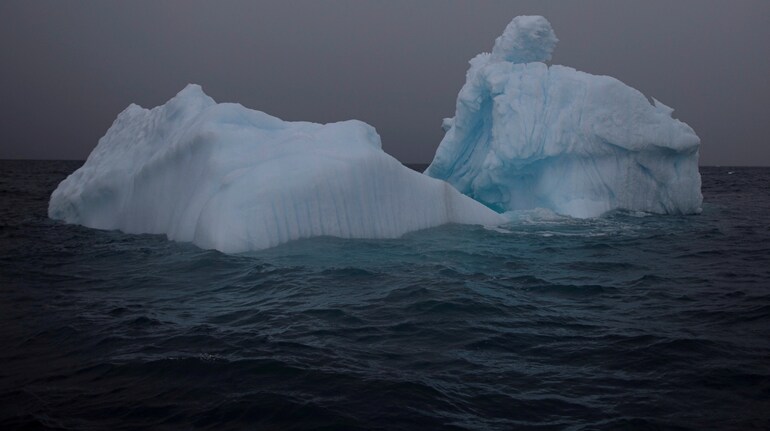
Floating ice shelves face mounting strain. Rain compacts surface snow layers. Meltwater ponds form more easily. These darker pools absorb additional heat. Water can cut through shelves below. This weakens structure and promotes fractures. Past collapses followed similar ponding processes.
Sea ice also becomes more vulnerable. Rain reduces reflective snow cover. Ocean waves gain strength without buffers. Wildlife habitats shrink as ice declines. Krill and algae populations suffer. Penguins lose breeding platforms gradually.
Adélie and chinstrap penguins face pressure. Gentoo penguins expand further southwards. Penguin chicks lack waterproof protection. Heavy rain can cause hypothermia deaths.
Infrastructure and Heritage at Risk
Research stations were designed for snow. Freezing rain disrupts airstrip operations. Slush damages buildings and vehicles. Some research sites may relocate. Mars Oasis access already faces interruptions.
Antarctica holds 92 historic monuments. Many cluster on the peninsula. Thawing permafrost weakens wooden structures. Heavier rain accelerates timber decay. Conservation becomes increasingly difficult.
Scientists say limiting warming below 1.5°C matters. Higher warming will intensify rainfall extremes. The peninsula may preview coastal Antarctica’s future. Rain is reshaping this frozen frontier.
Discover the latest Business News, Sensex, and Nifty updates. Obtain Personal Finance insights, tax queries, and expert opinions on Moneycontrol or download the Moneycontrol App to stay updated!
Find the best of Al News in one place, specially curated for you every weekend.
Stay on top of the latest tech trends and biggest startup news.