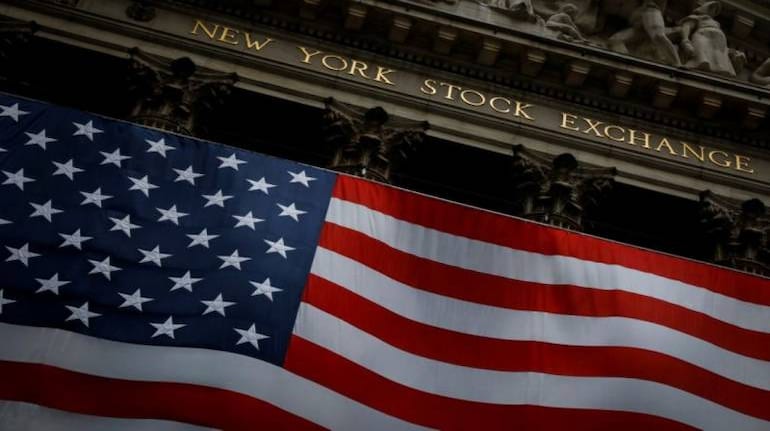
US stocks slipped on Thursday following Wall Street's worst day in two weeks, as investors were unnerved by an alarming rise in new coronavirus cases and an elevated level of weekly jobless claims number.
Data showed about 1.48 million Americans signed up for unemployment benefits in the last week. The figure came in only slightly below the 1.5 million in the prior week as weak demand forced US employers to lay off workers even as businesses reopened.
Walt Disney Co slipped 2 percent after it delayed the reopening of theme parks due to the health crisis. A report also said the company was considering postponing the July 24 release of "Mulan".
"Markets have been pricing in perfection over almost three months that reopening (businesses) will begin to kick-start the economy off the lows," said Michael Hans, chief investment officer at Clarfeld Citizens Private Wealth in Greater New York City Area.
But the course of the pandemic remains uncertain, Hans said, adding that "until we have a little bit more clarity, it is only natural that markets take a breather here."
The resurgence in virus cases across the United States has revived fears of another lockdown to contain the pandemic and threatened to halt a Wall Street rally that was powered by a raft of global stimulus since late March.
After coming within 5 percent of its record high in early June, the benchmark S&P 500 has lost nearly 6 percent in the past two weeks and analysts cautioned further declines amid worsening economic forecasts.
The International Monetary Fund on Wednesday warned of a nearly 5 percent plunge in the global economic output in 2020.
At 9.51 am ET, the Dow Jones Industrial Average was down 190.82 points, or 0.75 percent, at 25,255.12, the S&P 500 was down 23.10 points, or 0.76 percent, at 3,027.23 and the Nasdaq Composite was down 88.08 points, or 0.89 percent, at 9,821.09.
Nine of the 11 major S&P sub-sectors were lower with utilities and industrials posting the steepest declines.
Boeing Co tumbled 2.7 percent as rival Airbus reached a crucial jetliner production target and smoothed recent industrial problems.
Berenberg also reduced its rating on the US planemaker's shares to "sell", noting elevated near-term risks linked to the pandemic, the pace of recovery in air travel and uncertainty related to production rates.
Declining issues outnumbered advancers more than 2-to-1 on the NYSE and the Nasdaq.
The S&P index recorded three new 52-week highs and no new low, while the Nasdaq recorded 17 new highs and six new lows.
Follow our full coverage of the coronavirus pandemic here.
Discover the latest Business News, Sensex, and Nifty updates. Obtain Personal Finance insights, tax queries, and expert opinions on Moneycontrol or download the Moneycontrol App to stay updated!
Find the best of Al News in one place, specially curated for you every weekend.
Stay on top of the latest tech trends and biggest startup news.