Over the last two weeks, India has maintained a steady trend of recording less than 10 lakh active COVID-19 cases while the number of people who have recuperated from the disease surged to 55,86,703, pushing the recovery rate to 84.34 percent, Health Ministry's recent numbers show.
As a result, many people are now looking towards understanding more about the condition, how to understand the symptoms as well as the onset of COVID-19.
Here's everything you need to know about the coronavirus:
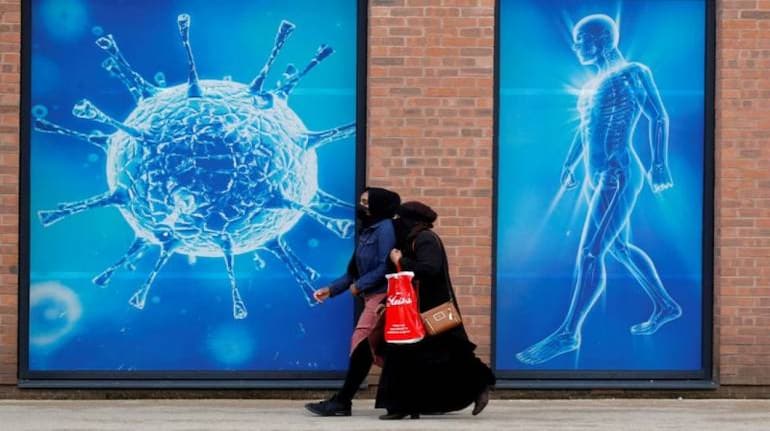
How did the name come about?While the name of the virus is derived from the crown-like spikes that surround the virus, COVID-19 was officially named by the World Health Organization (WHO) on February 11.
The "Co" is derived from Coronavirus, the "vi" stands for virus, while "d" stands for disease. The number 19 stands for the year the outbreak occurred. According to Tedros Ghebreyesus, the WHO's director-general, this name was chosen to avoid any references to a specific geographical location, animal species or group of people. This was in line with international recommendations for naming aimed at preventing stigmatization.
Is COVID-19 the flu?Most symptoms of the two diseases are so similar that short of a test — or two or three tests — it won’t be possible to know for sure. However, with COVID-19 it can be different.
While the most common symptoms of the disease are high fever, sometimes with chills, a dry cough and fatigue, one tell-tale sign of COVID-19 is the loss of a sense of smell, not due to a stuffy nose but due to the fact that in these cases patients do not register even strong odors like onions or coffee.
What are the symptoms of COVID-19?According to the WHO's website, the most common symptoms of COVID-19 are fever, dry cough, and tiredness.
Other symptoms that are less common and may affect some patients include aches and pains, nasal congestion, headache, conjunctivitis, sore throat, diarrhea, loss of taste or smell or a rash on skin or discoloration of fingers or toes. These symptoms are usually mild and begin gradually. Some people become infected but only have very mild symptoms.
Is sore throat a symptom of COVID-19?While the WHO hasn't declared sore throat as a primary symptom of the disease, it has said that it can possibly show up in some cases.
How to check for COVID-19 cases globally live and what is the best map?To understand what the case count is globally, the WHO runs a dashboard that regularly updates on the ongoing global situation. You can also browse this COVID-19 dashboard via region to see any updates as per region.
The WHO Situation Dashboard also has the best map where you can track the updates geographically across the world.
Is there a treatment for COVID-19?Unfortunately, not yet. However, there are many promising candidates that currently undergoing medical trials. With the most promising vaccine being developed by scientists at Oxford University who are now expecting regulator approval on it before the beginning of 2021.
As for India, Union Health Minister Dr. Harsh Vardhan said on October 4 that 20-25 crore Indians would be vaccinated against COVID-19 in July of 2021. However, there have been questioned raised about whether this will be enough to counteract the spread of the pandemic within the country.
Discover the latest Business News, Sensex, and Nifty updates. Obtain Personal Finance insights, tax queries, and expert opinions on Moneycontrol or download the Moneycontrol App to stay updated!
Find the best of Al News in one place, specially curated for you every weekend.
Stay on top of the latest tech trends and biggest startup news.