Moneycontrol PRO
HomeNewsTrendsHealthBlack Fungus | AIIMS issues guidelines for early detection, prevention of mucormycosis

Black Fungus | AIIMS issues guidelines for early detection, prevention of mucormycosis

The guidelines call for strict control and monitoring of blood sugar in diabetics and warn against self-medication with steroids, antibiotics or antifungal drugs.

May 20, 2021 / 16:12 IST
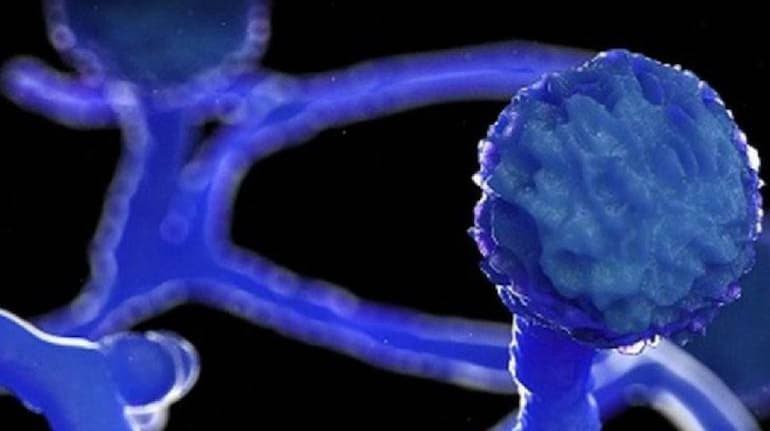
Mucormycosis (known as black fungus), a rare life-threatening infection that’s being reported in some COVID-19 patients. (Image: News18 Creative)

The All India Institute of Medical Sciences (AIIMS) in New Delhi has released a new set of guidelines for early detection and prevention of black fungus infection, or mucormycosis, among coronavirus patients, the latest challenge facing the country’s already overwhelmed healthcare infrastructure.

The second coronavirus wave has led to a spike in the black fungus infection, which can be fatal, especially among diabetics recovering from COVID-19. Several states, including Rajasthan and Telangana, have reported multiple cases of black fungus infection and declared it an epidemic.  It has killed 90 people in Maharashtra alone.

Doctors have blamed the “irrational use” of steroids, which can exacerbate diabetes, for the disease that affects the brain, lungs and sinuses.

Pharma firms scramble to boost production of antifungal jab Amphotericin B as Black Fungus cases rise

According to AIIMS, the following conditions make people more susceptible to contracting the infection, making them high-risk patients:

COVID-19 Vaccine

Frequently Asked Questions

View more
How does a vaccine work?

A vaccine works by mimicking a natural infection. A vaccine not only induces immune response to protect people from any future COVID-19 infection, but also helps quickly build herd immunity to put an end to the pandemic. Herd immunity occurs when a sufficient percentage of a population becomes immune to a disease, making the spread of disease from person to person unlikely. The good news is that SARS-CoV-2 virus has been fairly stable, which increases the viability of a vaccine.

How many types of vaccines are there?

There are broadly four types of vaccine — one, a vaccine based on the whole virus (this could be either inactivated, or an attenuated [weakened] virus vaccine); two, a non-replicating viral vector vaccine that uses a benign virus as vector that carries the antigen of SARS-CoV; three, nucleic-acid vaccines that have genetic material like DNA and RNA of antigens like spike protein given to a person, helping human cells decode genetic material and produce the vaccine; and four, protein subunit vaccine wherein the recombinant proteins of SARS-COV-2 along with an adjuvant (booster) is given as a vaccine.

What does it take to develop a vaccine of this kind?

Vaccine development is a long, complex process. Unlike drugs that are given to people with a diseased, vaccines are given to healthy people and also vulnerable sections such as children, pregnant women and the elderly. So rigorous tests are compulsory. History says that the fastest time it took to develop a vaccine is five years, but it usually takes double or sometimes triple that time.

View more
Show

Patients with uncontrolled diabetes, diabetic ketoacidosis, diabetics on steroids or tocilizumab.

Patients on immunosuppressants or anticancer treatment or suffering from other chronic debilitating illnesses.

Patients on high-dose steroids or on long-duration of steroids, tocilizumab.

Black fungus: How states are dealing with rising cases of Mucormycosis

Severe COVID-19 cases. COVID-19 compromises immunity, making recovered patients more susceptible black fungus infection.

Patients on oxygen support through nasal prongs or mask, ventilator.

How to detect mucormycosis?

COVID-19 recovered patients may develop the following symptoms:

Abnormal black discharge or crust or blood from the nose.

Nasal blockage, headache, or eye pain.

Swelling around the eyes, double vision, redness of the eye, loss of vision, difficulty in closing the eye, inability to open the eye, prominence of the eye.

Facial numbness or tingling sensation.

Difficulty in chewing or opening mouth.

Facial swelling (especially nose, cheek, around the eye) or black discolouration, hardening, and pain on touch.

Loosening of teeth. Black areas and swelling inside the mouth, palate, teeth, or nose.

What to do if patient develops black fungus symptoms?

Immediate consultation with ENT doctor, ophthalmologist, or the doctor treating the patient.

Strict control and monitoring of blood sugar in diabetics.

Regular medications and follow-up for other comorbidities.

No self-medication with steroids or antibiotics or antifungal drugs.

MRI or CT scan with contrast paranasal sinuses and orbit, if needed, on doctor’s advice.

Moneycontrol News
first published: May 20, 2021 04:11 pm

Discover the latest Business News, Sensex, and Nifty updates. Obtain Personal Finance insights, tax queries, and expert opinions on Moneycontrol or download the Moneycontrol App to stay updated!

Subscribe to Tech Newsletters

  • On Saturdays

    Find the best of Al News in one place, specially curated for you every weekend.

  • Daily-Weekdays

    Stay on top of the latest tech trends and biggest startup news.

Advisory Alert: It has come to our attention that certain individuals are representing themselves as affiliates of Moneycontrol and soliciting funds on the false promise of assured returns on their investments. We wish to reiterate that Moneycontrol does not solicit funds from investors and neither does it promise any assured returns. In case you are approached by anyone making such claims, please write to us at grievanceofficer@nw18.com or call on 02268882347