Plus, ZEE5 will be releasing Yaara a day earlier on July 30.
While theatres are shut, there is no dearth of new content. From big to small, OTTs are getting all the new and fresh films for their audience.
In this scenario, when the audience can not only watch new films but also have plenty of options, just like in theatres, can OTTs give pay-per-view a shot?
Experts say the time would be right as a viewer in any market, both international and India, would shell out money for brand new content.
From Gulabo Sitabo to Bhuj, how viable are digital premieres for OTT players?
OTTs can experiment with a watch-one price for new movies. An OTT platform is already doing that.
Recently, ShemarooMe launched ShemarooMe Box Office under which the platform will release new films and viewers can watch it after paying tickets for the film, which will be available on both ShemarooMe and BookMyShow.
A ticket for a new film, which will be available for Rs 100, will let viewers watch the film for three days.
Shemaroo Entertainment, an Indian content creator, aggregator and distributor, that has been in the film business for around 60 years, will market the films to a wider audience base and build awareness about the new releases.
Hiren Gada, Shemaroo Entertainment's CEO, believes that the new business model will assist film producers to unlock newer monetization opportunities for new films.
Producers will be able to extract value on the back of heightened visibility and content appreciation through the transparent model that will provide real time reporting of ticket sales to the producers, he said.
Are OTT premieres of Gulabo Sitabo, Ghoomketu setting the trend for more direct-to-digital releases?
On July 31, ShemarooMe will premiere it's first film My Client’s Wife, which will be followed by Sharman Joshi’s drama entertainer – Graham Staines Ek Ankahi Sachhai The Least Of These, based on true events and action thriller packed movie – The Hidden Strike.
For ShemarooMe, the real test will be on July 31 which will decide whether Indian audiences are ready to pay for online content.
Experts say while pay-per-view is working internationally and making income realisation for producers a lot more transparent, the model has a minute footprint in India.
According to them, the pay-per-view model may not be a big success in India as a large portion of the audience isn’t still ready to pay online as they are used to watching content online for free and their inability to do digital transactions.
But the potential can come in the long term if payment mechanisms improve and more people move towards the digital payment mode.
But if pay-per-view becomes viable in India, it will unlock a strong value for the film industry.
The business case — or lack of it — of releasing movies on OTT platforms
Smaller films will get more visibility and wouldn't have to fight with big ventures for screen space in theatres.
New monetization model will also mean filmmakers creatively thinking of releasing new films even with big stars on OTTs. Films with A-list stars are not all meant for theatrical release.
Currently, pay-per-view may sound like a distant dream but wasn't it the same for digital premieres.
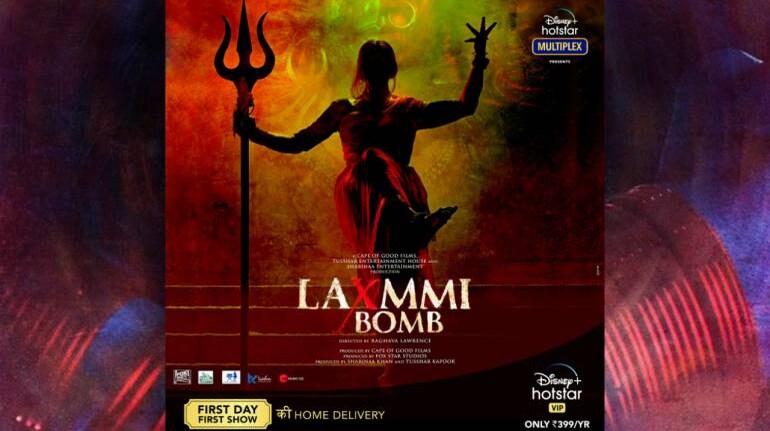
After all, who would have thought that films like Laxmmi Bomb starring Akshay Kumar or Ajay Devgn's Bhuj will release directly on OTT, right?
Discover the latest Business News, Sensex, and Nifty updates. Obtain Personal Finance insights, tax queries, and expert opinions on Moneycontrol or download the Moneycontrol App to stay updated!
Find the best of Al News in one place, specially curated for you every weekend.
Stay on top of the latest tech trends and biggest startup news.