






It cannot be emphasised enough that proteins play a crucial role in the body and sufficient amounts need to be consumed as part of our daily diet for a healthy life. Proteins are large, complex molecules that carry out most cellular functions and are necessary for building, functioning, and regulating the structure of the body's tissues and organs.
Additionally, consuming enough protein boosts metabolism, aids weight loss, strengthens the immune system, stabilises blood sugar, improves bone health, provides energy, and supports recovery. While many foods contain protein, they may not have enough of it. Hence, it is important to look for sources that have high quantities to meet daily requirements.
Harvard- and AIIMS-trained gastroenterologist Dr Saurabh Sethi made the job easier for many by listing a complete protein cheat sheet in his new post on Instagram. From plant protein foods to the most iron-rich protein sources, he categorised each to help you pick the one that best suits your needs.
First on Dr Sethi’s list was soy, which he called the most complete plant protein, great for muscle health. Its fibre is good for gut health and digestion, and it contains isoflavones that protect heart health and reduce inflammation in the body.
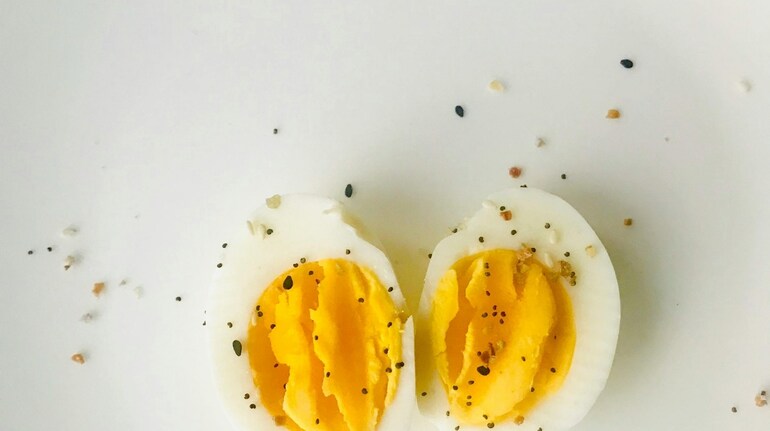
Eggs are an excellent source of protein, often consumed for breakfast. According to the gastroenterologist, they give you the most protein per calorie.
Also read: Are the eggs you eat for breakfast safe? Doctor says beware of this one substance
For non-vegetarians, chicken breast is the best source, as it provides the highest amount of protein per serving. The lean white meal can be incorporated into the diet by baking, grilling, or pan-searing.
Seafood is considered an excellent source of protein. Dr. Sethi said, “You get the most iron-rich protein from clams and oysters.” And for those who don’t consume non-veg foods, he suggested lentils as an alternative plant-based option.
A post shared by Saurabh Sethi MD MPH | Gastroenterologist (@doctor.sethi)View this post on Instagram
When it comes to Omega 3s, the gastroenterologist recommended salmon, also rich in lean protein, for those who eat non-veg, and flax seeds and walnuts for those who prefer plant-based alternatives.
Dr Sethi said, “You get the most leucine, which is muscle building, from whey protein.” Extracted from cow milk, it has quickly become a popular choice for those who need to meet their daily protein requirement.
Also read: Doctor says these 3 medicines can save a heart attack patient
“You get the best portable plant protein from roasted chickpeas or roasted edamame,” he said. It is great for those who travel frequently.
Beans
For Dr. Sethi, beans are an excellent combination of fibre and protein. They are good for satiety, muscle growth, and tissue repair.
FAQs on benefits of protein-rich diet:
Q. Why is protein important for the body?
Protein helps build and repair muscles, tissues, and supports overall growth.
Q. Does a protein-rich diet help with weight management?
Yes, protein keeps you fuller for longer and can reduce unhealthy snacking.
Q. How does protein support muscle health?
It aids muscle recovery, strength, and maintenance, especially after exercise.
Q. Can protein improve energy levels?
Protein stabilizes blood sugar, helping maintain steady energy throughout the day.
Q. Is protein important for immunity?
Yes, protein is essential for producing antibodies and supporting immune function.
Disclaimer: This article, including health and fitness advice, only provides generic information. Don’t treat it as a substitute for qualified medical opinion. Always consult a specialist for specific health diagnosis.
Discover the latest Business News, Sensex, and Nifty updates. Obtain Personal Finance insights, tax queries, and expert opinions on Moneycontrol or download the Moneycontrol App to stay updated!
Find the best of Al News in one place, specially curated for you every weekend.
Stay on top of the latest tech trends and biggest startup news.




