-
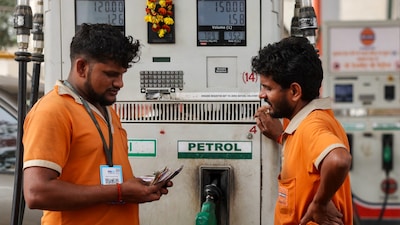
Govt to lose Rs 5,500 crore every fortnight after fuel duty tweaks
A back-of-the-envelope calculation shows that annualised revenue for FY27 will be around Rs 1.43 lakh crore, assuming the these changes remain in place for the full year
-

India’s FTAs boost exports but trade deficits persist with UAE, Australia
New Delhi remains engaged with the US and is studying the recent tariff developments, the government said
-
From ships to skies: How India is keeping Gulf markets stocked amid Iran war
With shipping routes disrupted, exporters are turning to air freight and exploring alternative corridors to keep food flowing to import-dependent Gulf nations
-
More measures likely after RELIEF package to aid exporters hit by West Asia crisis
Despite the disruptions, a government official indicated that the overall impact on India’s exports in March may be limited
-
SP Apparels: Beating tariff headwinds to stay strong
The garment exporter delivered while the entire sector grappled with the US tariff impact
-
Iran war: Trade routes disrupted, exporters delay shipments as freight costs surge
Exporters and logistics executives told Moneycontrol that shipments to the Gulf are being delayed, cargo is piling up at major air hubs and freight rates have surged as the US and Israel–Iran war disrupts key trade routes linking India to West Asia
-
Govt mulling a new scheme to help exporters amidst Israel-Iran conflict
We may also tweak the Export Promotion Mission to offer some more incentives to help our exporters, an official said
-
Is the worst of tariff uncertainty over for this textile exporter?
Pearl Global Industries has a comprehensive business model, offering multi-country, multi-product solutions that may help reduce tariff impact
-
US–Iran conflict clouds outlook for capital goods exporters with West Asia exposure
For Indian exporters, the risks of supply-chain disruptions and order visibility in West Asia comes at a time when exports have remained subdued due to US tariffs
-
Centre says 'fiscal consolidation' key reason behind slashing exporters' RodTEP scheme benefits
Exporters urge government to roll-back the recent restrictions on RoDTEP, as it will affect their margins
-
Agri, live animal exports top RoDTEP utilisation; nearly 2% of exports availed benefits
Close to one-third of total RoDTEP outgo flowed to agriculture and allied sectors in FY23, prompting the government to shield them from incentive cuts
-
Pharma exports up 9.4% in FY25; industry aims for double-digit expansion in 2026-27
The sector, currently valued around USD 60 billion, is projected to reach USD 130 billion by 2030.
-
FTA partners accounted for a third of India’s goods trade gap at $31 billion in Q2 FY26
India’s exports to its FTA partners amounted to $38 billion during the second quarter of the current fiscal, while imports rose 5 percent year-on-year to $69.8 billion, resulting in a sizeable trade gap.
-
India must make more components to keep electronics exports growing, says NITI Aayog
Chips account for over a quarter of global electronics demand but India’s share in this segment is just 0.02 percent, the think-tank's Trade Watch Quarterly has said
-
The tariff math behind Bangladesh’s zero-duty access for US cotton garments
To be sure, the arrangement could still give Bangladesh a limited edge given that the overall gap in reciprocal tariffs with India is just one percentage point.
-
Fears of Bangladesh getting US trade deal edge overstated, says Tiruppur Exporters’ Association
Bangladesh imports about 85 lakh bales of cotton a year to supply its nearly 500 spinning mills, sourcing most of it from Brazil, India and African countries
-
Will the new US-Bangladesh trade deal punch a hole in Indian textile designs?
From cotton and yarn to garments, India’s competitiveness in the American market faces a renewed stress test
-
Bangladesh’s zero-duty US access poses fresh challenge to Indian textile exporters
The US–Bangladesh Agreement on Reciprocal Trade, signed on February 9, cuts the reciprocal tariff on Bangladeshi goods to 19% and provides duty‑free access to certain garments made with US‑produced cotton
-
RBI policy meeting: India-EU FTA to support exports over medium term, says Sanjay Malhotra
The RBI raised the full year GDP forecast for FY26 by 10 basis points to 7.4% even as it held the key repo rate steady at 5.25%
-
India to continue exporting eggs, honey, aquaculture goods to EU despite tighter norms
Milk and poultry products will be allowed under conditional provisions.
-
India Inc sees US trade deal as a confidence anchor, trigger for long-term capital deployment
The response from India Inc suggests that the trade deal is being read less as a one-off tariff concession and more as a signal of India’s maturing role in global commerce.
-
US-India trade deal brings relief for exporters, lifts long-term confidence: India Inc
Dr Anish Shah, Group CEO and Managing Director of Mahindra Group, said the agreement would provide a strong boost to growth momentum and business confidence.
-
Customs duty changes in Budget part of ongoing reforms, not linked to US tariffs, says FM Sitharaman
The finance minister also said the government did not assess the potential impact of US tariff actions while framing Budget proposals.
-
Budget’s export focus, customs reforms to help firms better tap trade deals
"The steps taken towards strengthening services sector and sectoral initiatives in semiconductor, marine, textiles, leather and other labour intensive sectors will also help grow exports in these sectors," Commerce Secretary Rajesh Agrawal said.
-
From textiles to seafood, Budget lays out steps to ease pressure on tariff-hit exports
Taken together, the measures signal a shift towards reducing export costs, easing compliance burdens and diversifying markets as India seeks to cushion its exporters from the fallout of tariff actions in the US and other major economies.