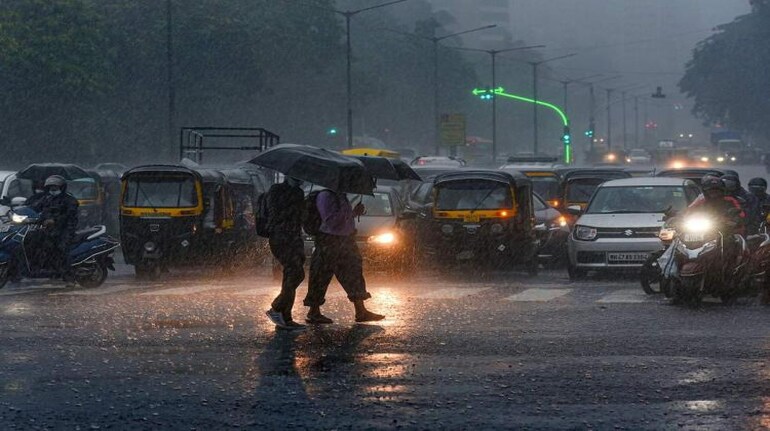
Reservoir levels remained unchanged as of September 12 at 18 percent above normal even as the country’s rainfall surplus widened to 8.48 percent, according to data released by the Central Water Commission and India Meteorological Department.
The reservoir capacity in southern India was the highest among all regions at 35 percent, followed by western India at 23 percent. On the other hand, the northern Indian states of Himachal Pradesh and Punjab were facing a deficit in reservoir levels.
Punjab’s water levels were 59 percent below normal. The state has also been experiencing a 25 percent rainfall deficit, even as the country’s rainfall surplus has widened.
The surplus further increased to 8.48 percent from 8.31 percent the previous day, as Rajasthan and Delhi received excess rainfall.
Rainfall in the southern region has been the highest, with six of the eight states and Union Territories receiving excess rainfall, followed by central India, where four of seven regions have received excess rainfall.
The northern part has been rain-starved, along with the eastern regions. Manipur had a deficit of 32 percent, followed by Bihar and Nagaland at 28 percent.
Normal rainfall across the country has ensured that kharif sowing has picked up. As of September 9, the deficit had decreased to just 0.3 percent below normal.
On September 9, the kharif acreage was 2.2 percent higher at 109.2 million hectares. Paddy sowing was 2 percent above average, and coarse cereals were 4.3 percent above the normal area.
Jute and cotton sowing was below normal.
Discover the latest Business News, Sensex, and Nifty updates. Obtain Personal Finance insights, tax queries, and expert opinions on Moneycontrol or download the Moneycontrol App to stay updated!
Find the best of Al News in one place, specially curated for you every weekend.
Stay on top of the latest tech trends and biggest startup news.