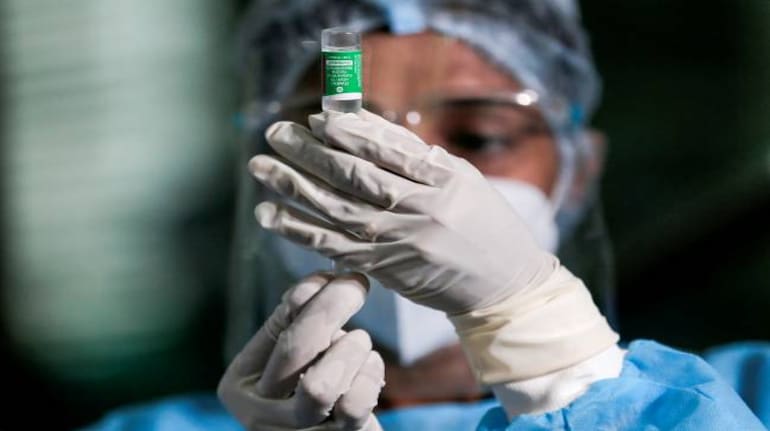
Prime Minister Narendra Modi in his televised address to the nation announced that the Central Government will provide free vaccines to all citizens above 18 years of age. He further said the Centre will procure 75 percent of vaccines manufactured in India, while private hospitals will have access to the remaining 25 percent.
Subsequent to the PM’s announcement, the Union Ministry of Health and Family Welfare issued guidelines on June 8 per which states will receive quantities of vaccines.
The 'Revised Guidelines for implementation of National COVID Vaccination Program' will come into effect from June 21.
Follow our LIVE blog on the COVID-19 pandemic hereHere is all you need to know about the guidelines and criteria:Vaccines procured will be provided free of cost to States and Union Territories (UTs) through government vaccination centres.
Free vaccine doses provided to states and UTs by the Centre will be allocated based on criteria such as population, disease burden and progress of vaccination.
Wastage of vaccines will also affect the allocation negatively, the ministry said.
States have been allowed to decide prioritisation of age groups on their own, by factoring in the vaccine supply schedule.
Also Read | Free COVID vaccines, food to cost India an additional $11 billionDomestic vaccine manufacturers will be allowed to sell up to 25 percent of their vaccine stock directly to private hospitals to encourage new vaccines and manufacturers and incentivise production.
States and UTs are required to aggregate the demand from private hospitals, based on which the Centre will facilitate “timely and equitable distribution” between large and small private hospitals and maintain regional balance.
"Based on this aggregated demand, the Centre facilitate supply of these vaccines to the private hospitals and their payment through the National Health Authority's electronic platform,” the ministry said.
Meanwhile, the government of India on June 8 also revised charges of COVID-19 vaccines. The move comes amid allegations of profiteering against private hospitals.
The Union Health Ministry capped charges for administration of Covishield at Rs 780, Covaxin at Rs 1,410, and Sputnik V at Rs 1,145 in private hospitals, based on the prices currently declared by vaccine manufacturers. The cost includes taxes as well as Rs 150 service charge for the hospitals.
For full coverage on the coronavirus pandemic click hereDiscover the latest Business News, Sensex, and Nifty updates. Obtain Personal Finance insights, tax queries, and expert opinions on Moneycontrol or download the Moneycontrol App to stay updated!
Find the best of Al News in one place, specially curated for you every weekend.
Stay on top of the latest tech trends and biggest startup news.