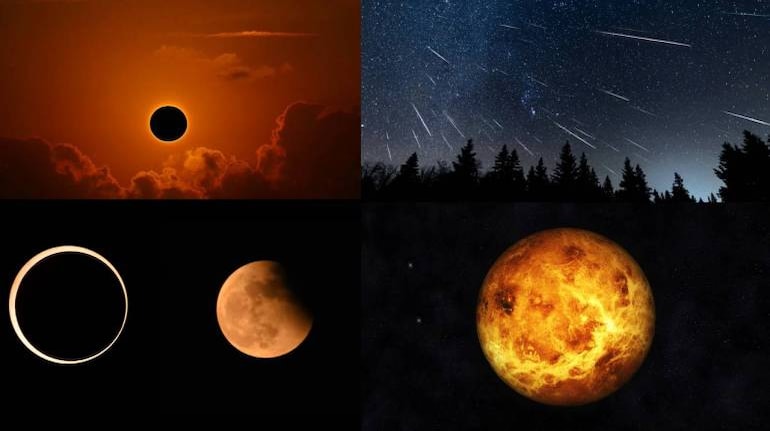
A slew of celestial events, some annual, others rare, will illuminate the night sky this October. The month which marks the beginning of the Fall is full of conjunctions, eclipses and meteor showers, much to the delight of avid skygazers and space enthusiasts. While some of these events will not be visible to the naked eye and require sophisticated telescopes for viewing, others will be visible without viewing arrangements on a clear night sky, sans artificial lighting. We have compiled a comprehensive list of events that you must watch out for in the second half of the month. So grab a telescope, some warm clothes and let your eyes devour the wonderful celestial marvels. Happy stargazing!
*Note: Pollution levels may impact visibility in some areas.
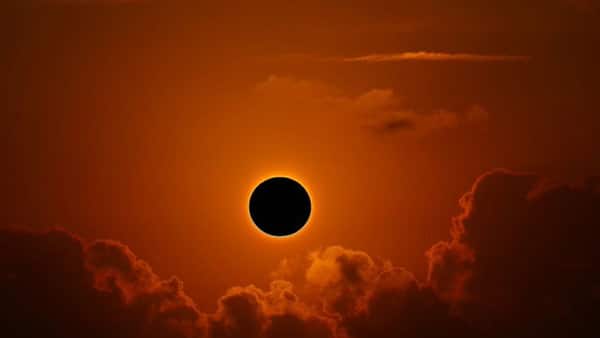
Event: ‘Ring of Fire’ Solar EclipseDate: October 14
Next visible on: October, 2, 2024 (annular Solar Eclipse), April, 8, 2024 (total Solar Eclipse)
 Ring of Fire Solar EclipseWhy is it significant?
A ‘Ring of Fire’, which is an annular Solar Eclipse, occurs when the Moon passes between the Sun and the Earth, while it is at the farthest point from the Earth, and it covers the sun completely, and the sun forms a ring around it. The fiery, ring-like appearance makes for some breathtaking views and scenic sky shots. Since the Sun is not completely blocked by the Moon during an annular solar eclipse, it is not safe to look directly without eye protection meant for solar viewing.
Where and how to watch it?Unfortunately, the annular ‘Ring of Fire’ solar eclipse will not be visible in India. However, avid stargazers and space enthusiasts can witness the celestial event live on NASA Television, the agency’s website and the NASA app. NASA will stream the broadcast live on its Facebook, X and YouTube social media accounts beginning at 9:00 pm, Friday (Indian Standard Time).
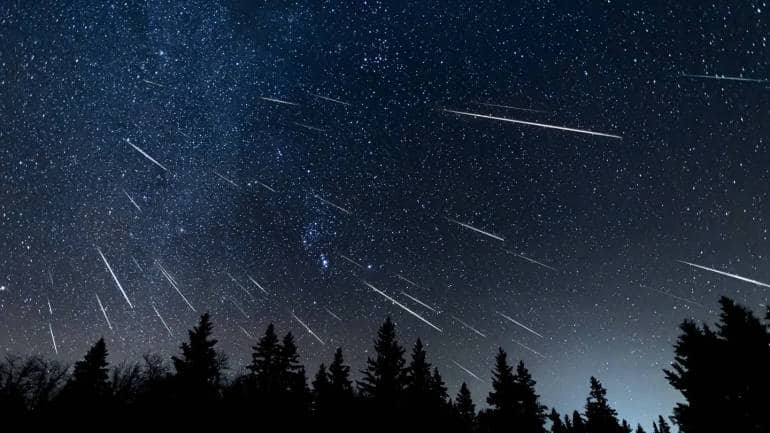
Event: Orionid Meteor ShowerDate: October 20-21
Next visible on: October 20, 2024
 Orionid Meteor Shower Illuminates Night Sky.Why is it significant?
Orionid meteors will dazzle the night skies this October when they enter Earth’s atmosphere at a speed of 1,48,000 mph. Since the Earth and Halley's Comet circle the Sun in elliptical orbits, they collide twice a year, creating the Orionids meteor shower in October and the Eta Aquariid meteor shower in May. The bright, blue hues will illuminate the moonless skies on October 20-21, making for some majestic views shortly after colliding with Halley’s comet head-on.
Where and how to watch it?According to Jake Foster, a Royal Observatory public astronomy officer, the Orionids will peak this year on October 21 (October 22 in India) between midnight and dawn, with a maximum of 25 shooting stars every hour. While one doesn’t need special equipment to watch the meteor shower, it is advisable to stay as far away from artificial lighting as possible. No special equipment is needed to watch the meteor shower, except clear skies sans artificial lights.
According to reports, if you're in India, you will be able to witness this meteor shower after 22:01 pm each night, when its radiant point rises above the eastern horizon. The best place to view the event in India is Himachal Pradesh’s Spiti Valley. The high-altitude region with minimal cloud cover is the prime location in the country to view the Orionid shower in all its beauty.
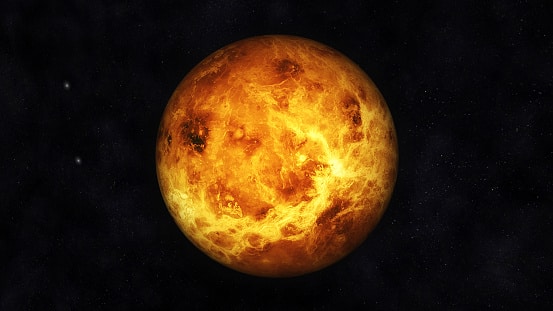
Event: Venus reaches greatest elongationDate: October 23
Next visible on: January 10, 2025
 Venus reaches its greatest elongation. (Image: iStock/Twitter)Why is it significant?
The greatest elongation, in colloquial terms, stands for the greatest distance from which a celestial body is visible with respect to another body. Venus will reach its greatest elongation with respect to the Sun on October 23 which will be the best time to view the gaseous planet from Earth, making for some breathtaking views of the Morning star. The planet often associated with love and luxury, and the Greek goddess Aphrodite, will light up the sky in bright hues of yellow when it reaches its greatest elongation.
Where and how to watch it?The Golden hour to view Venus is 4.30 am, October 24 (Indian Standard Time). Given the pollution season in North India, it might not be easy to spot the Morning Star amid the dense fog in the night sky. However, those living in areas where October night skies are clear can use a Telescope of the appropriate configuration to view the celestial event at the given time.
Event: Lunar EclipseDate: October 29
Next visible on: March 25, 2024
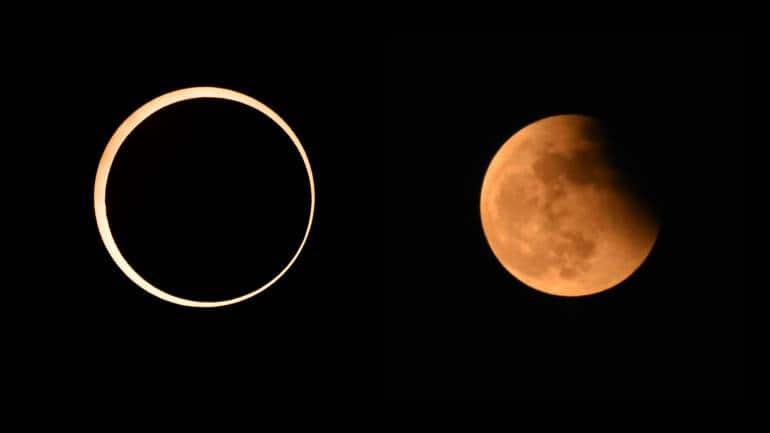 Lunar eclipse. (Image: Space.com/Twitter)Why is it significant?
The Lunar Eclipse on October 29 will be the second lunar eclipse of the year after a penumbral lunar eclipse on May 5. The Lunar Eclipse on 29 October 2023 will be visible in India. The celestial event will begin at 3.36 pm EDT (1.06 am IST on October 29) and end at 4.53 pm EDT (2.23 am IST on October 29).
Where and how to watch it?While Solar Eclipses (where the Moon shadows the Sun) cannot be viewed with the naked eye, Lunar Eclipse (Moon shadows the Earth) is perfectly safe for viewing with the naked eye. From New Delhi, it will be observable in the southwestern sky, with the moon positioned 62 degrees above the horizon. In India, the maximum point of the Eclipse is expected to occur at 1.45 am, during which 12 per cent of the lunar surface will be in shadow.
That’s not all. The Lunar Eclipse also coincides with Halloween weekend (spooky much?)
Event: The Triangulum Galaxy reaches highest point in night sky Date: October 15
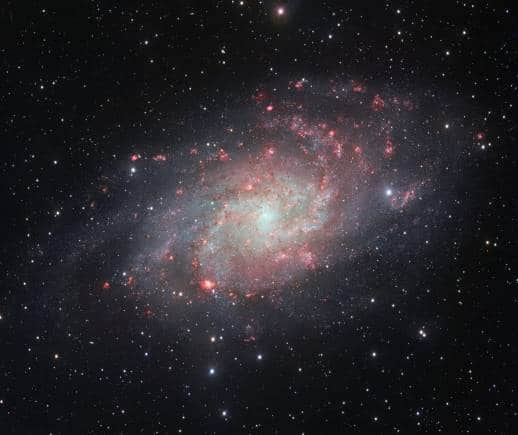 Triangulum Galaxy (Photo: Wikimedia Commons)Why is it significant?
The Triangulum Galaxy M33 (mag 6.3) is a spiral galaxy 2.73 million light-years from Earth in the constellation Triangulum. The galaxy will be visible in the evening sky this Sunday. At midnight (local time) and in the subsequent evenings, it will reach its culmination four minutes earlier each day.
Where and how to watch it?According to reports, in India, the galaxy is visible in the morning sky, becoming accessible around 7 pm when it reaches an altitude of 21 degrees above the north-eastern horizon. It will then reach its highest point in the sky at 12:21 am You can witness this celestial event with a telescope of appropriate configuration.
Discover the latest Business News, Sensex, and Nifty updates. Obtain Personal Finance insights, tax queries, and expert opinions on Moneycontrol or download the Moneycontrol App to stay updated!
Find the best of Al News in one place, specially curated for you every weekend.
Stay on top of the latest tech trends and biggest startup news.