



COVID-19 vaccines will cost substantially higher in the private market, and states governments will have shell out more as both, the Serum Institute of India (SII) and Bharat Biotech, have revealed their pricing.
The price at which the central government is buying from these companies will remain at Rs 150 per dose.
The Centre will procure 50 percent of the vaccine doses and supply them to state governments for free administration to people above 45 years of age and when vaccinated in government facilities, states will be competing with private hospitals and with each other to procure the remaining 50 percent vaccines.
Follow our LIVE blog for the latest updates of the coronavirus pandemic
COVID-19 vaccines pricing
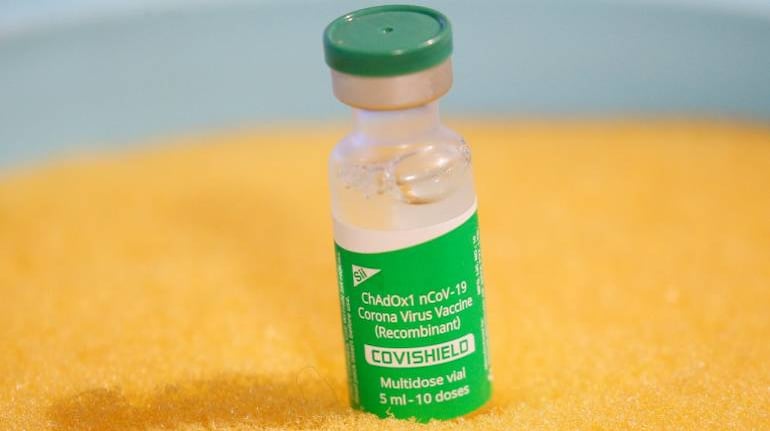
SII has announced that its COVID-19 vaccine Covishield will be sold at Rs 600 per dose to private hospitals, Rs 400 to states. Bharat Biotech too has announced the price of its COVID-19 vaccine Covaxin. Covaxin will be priced at Rs 600 per dose for state governments and Rs 1,200 for private hospitals.
Many states have already said they will offer COVID-19 free of cost to their citizens.
The prices offered to private hospital will be in addition to administration charges. Currently, the government has capped the administration or service charge of private hospitals to Rs 100. It is unclear if this cap will remain beyond May 1, when the next phase of vaccination begins.
COVID-19 Vaccine Tracker: All you need to know about manufacturing and pricing
Additionally, there will be the cost of supply chain and distribution. At the moment, the central government is taking care of the logistics and supply chain. Now those will be handled privately, which will also get loaded on to the customer. It is assumed that logistics and supply chain would add additional costs of about Rs 200 per dose. The price will go down depending on volumes.
It is assumed that a single dose in a private market would anywhere cost between Rs 900 -Rs 1,500 per dose. That's a steep price people would have to pay compared to Rs 250 they currently pay in private hospitals.
The vaccination would be additional burden to state governments who are in severe economic distress and are yet to recover from last year's COVID-19 lockdown. It remains to be seen whether states will be individually able to negotiate effectively with vaccine companies. The solution may be that states could come together, and negotiate as group, rather than individually. The central government should facilitate this. Private hospitals have already indicated that they may come together and form something like a Group Purchasing Organisation (GPO) to negotiate with vaccine companies.
Click here for Moneycontrol’s full coverage of the coronavirus pandemic

Discover the latest Business News, Sensex, and Nifty updates. Obtain Personal Finance insights, tax queries, and expert opinions on Moneycontrol or download the Moneycontrol App to stay updated!
Find the best of Al News in one place, specially curated for you every weekend.
Stay on top of the latest tech trends and biggest startup news.