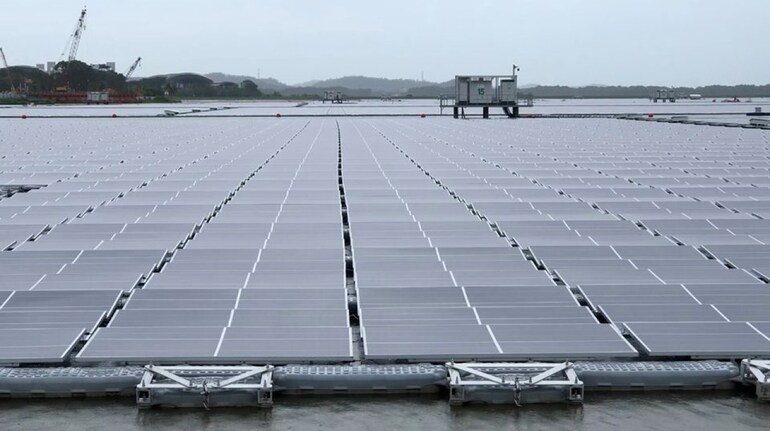
As the nation prepares for the Union Budget 2026–27, anticipation runs high that it will prove to be a strong catalyst in further accelerating climate action and renewable energy ambitions. With increasing energy demands, frequent and intense extreme events, and ambitious climate targets—a net-zero aim by 2070—the upcoming budget offers an unparalleled opportunity to make solar energy more competitive against traditional sources of fossil fuels.
The Strategic Role of the Union Budget
Conventionally, the Union Budget has laid out the financial blueprint that outlines national priorities, determined by policy focus through fiscal allocations, incentives, and regulatory signalling. The FY2026–27 Budget can be expected to build on significant economic reforms already underway, such as GST 2.0 and the new Income Tax Act, while giving priority to climate-linked economic policies.
Analysts and policy advocates add weight: "The budget, however, needs to go beyond incremental spending and announce decisive actions on renewable energy, and solar in particular, considering India's climate commitments and global competitiveness." This includes addressing the scarcity of climate finance, supporting green technologies, and preparing Indian businesses for mechanisms like the CBAM (Carbon Border Adjustment Mechanism) of the European Union.
Closing the Renewable Capacity Gap
Currently, the renewable capacity in India has yet to attain the target of 500 GW by 2030, yet it continues to grow at an expedited rate. Additionally, renewables in general, particularly solar power, form an intrinsic link in this change, as it has become apparent that among the major countries succeeding in utilising solar power, India is a key player. Indeed, India has positioned itself as one of the largest manufacturers of solar energy equipment on the international market, owing to its relatively cheaper components compared with fossil fuels.
Closing the gap between current capacity and the 2030 target requires scaling up the allocation in the budget for supporting renewable infrastructure, with a focus on solar and wind initiatives, and encouraging public and private collaboration. One common opportunity that has been referred to is harnessing government properties, such as the vast corridors of Indian Railways, for solar and wind farms, creating gigawatts of clean capacity.
Production-Linked Incentives and Solar Manufacturing
There is a strong opportunity to further strengthen India’s domestic solar manufacturing ecosystem. While significant progress has already been made, expanding support for end-to-end domestic manufacturing can help India meet a larger share of its growing solar demand through indigenous production. Extending Production-Linked Incentive (PLI) schemes across the entire solar value chain would play a crucial role in reducing import dependence, encouraging innovation in solar technologies, and enhancing India’s long-term competitiveness in global solar markets.
Scaling up solar manufacturing is not only about increasing volumes but also about building economic resilience. As global markets become increasingly sensitive to supply-chain risks and carbon-compliance requirements, continued policy support can empower Indian manufacturers to emerge as globally competitive players, aligned with the country’s broader vision of energy security and sustainable growth.
Optimising Existing Programs and New Financial Instruments
Various government initiatives are playing a pivotal role in making solar energy adoption more inclusive, such as the PM Surya Ghar Muft Bijli Yojana for households and the PM-KUSUM scheme for the agricultural sector, both aimed at expanding access to clean energy through financial support and enabling frameworks. With continued policy momentum, the upcoming budget presents an opportunity to further enhance subsidy coverage and encourage innovative business models, such as RESCO (Renewable Energy Service Companies), making solar power more accessible and affordable for both households and farmers across the country.
In addition, establishing innovative green finance products, such as sovereign green bonds and/or a Climate Action Fund, would direct patient capital towards solar and climate-resonant infrastructure. Another area is enhancing climate-related disclosure through a Climate Financing Statement, which would attract ESG (Environmental, Social, and Governance) dollars and contribute to the development of sustainable finance in India.
Circular Economy and Resilience
A forward-thinking budget should also include elements to improve policies for a circular economy. This implies a reduction of reliance on imported materials by promoting recycling and sustainable production, which would help lower solar component prices and enhance sustainability. This policy area has potential to improve sustainability and support energy transition goals.
Conclusion
The Union Budget 2026–27 represents a critical milestone for India’s renewable energy journey. By effectively leveraging targeted investments in the renewable sector, strengthening solar manufacturing incentive schemes, and advancing climate finance mechanisms, the budget can position solar energy not only as a key pillar of India’s climate strategy but also as a central driver of the country’s future energy mix. A well-calibrated budget has the potential to meet India’s climate commitments while enhancing resilience, self-reliance, and competitiveness in a rapidly transitioning global low-carbon energy landscape.
In summary, while the details of the budget are yet to be revealed, the promise that the budget can offer the solar sector the level of importance it requires to become the leading source of energy for India is contingent on the fiscal plans that the budget articulates.
(Gautam Mohanka, Director, Gautam Solar.)
Views are personal, and do not represent the stance of this publication.
Discover the latest Business News, Sensex, and Nifty updates. Obtain Personal Finance insights, tax queries, and expert opinions on Moneycontrol or download the Moneycontrol App to stay updated!
Find the best of Al News in one place, specially curated for you every weekend.
Stay on top of the latest tech trends and biggest startup news.