In the last couple of years, illegal digital lenders have been operating freely, offering easy money to gullible borrowers regardless of their creditworthiness. These loan sharks operate through recovery agents who rely on arm-twisting tactics.
In a conversation with Moneycontrol, Anil Pinapala, Founder & CEO of Vivifi India Finance, discusses ways to distinguish between genuine and fake digital lending apps, choosing a digital lender, demand for whitelisting of digital lending apps on the Google play store, and more.
Vivifi India Finance (Vivifi) was set up as an NBFC in the unsecured retail consumer lending segment in March 2017. It provides credit to customers across the credit spectrum. FlexSalary is the company’s flagship lending product. Vivifi also provides a digital credit card experience for the underserved through its payment application, FlexPay. Today, the NBFC has over 4 lakh customers.
Edited excerpts:How should one choose a digital lender?The digital lender should be a regulated entity. RBI guidelines state that a fintech lender can also partner with a regulated entity. When you download a digital lending app, make sure you check who the registered NBFC is. For instance, if you download the FlexSalary app, you will see that the registered NBFC is Vivifi. Then, when you go to the RBI’s NBFC listing, you will see Vivifi's name on the list. So, those are the basic checks everyone should do.
In other cases, sometimes a regulated entity is an NBFC or a bank, but the publisher of the app (i.e., provider of the loan) is a lending service provider, someone different. So, even in those cases, it is important for you to see which is the regulated entity and who is actually giving the loan.
The loan agreement today, after the digital lending guidelines were issued, is directly between the end consumer and the regulated entity. So, any regulated entity for lending is only the NBFC. You should check within the NBFC lists of the RBI to see if that name (on your loan) is on the list. The name of the NBFC and registered address in the agreement should match the listing with the RBI.
Borrowers should do such basic checks to protect themselves and ensure they are only dealing with RBI regulated entities.
Also read | Loan apps ban: Industry insiders call it a good move to remove bad actorsHow do we distinguish between genuine and fake digital lending apps?Now, the Google app store has a lot of unregulated apps. These lending apps do not have regulated entity partnerships. If you’re seeing any app that doesn’t do proper KYC or is not signing a proper e-sign agreement or a physical signature agreement, all of those are red flags.
Make sure that you are not giving more access to personal data than required to the lending app. For instance, if the lending app is asking for a contact list, make sure that you don't give access to the contact list. So, a lot of precautions and self-awareness are required.
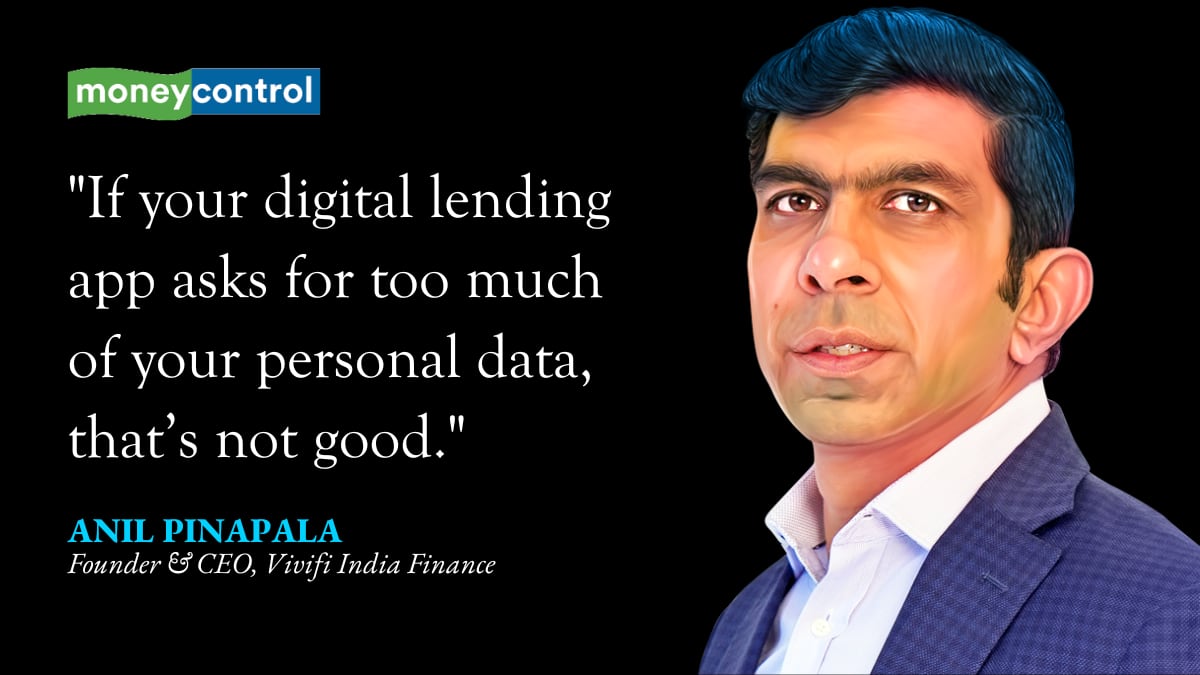
Regulator intervention is very much needed in the digital lending industry. There are a lot of fake apps, a lot of unlicensed apps not published by NBFCs, without any partnerships. Some of them charging exorbitant rates. More importantly, coercive collection practices brought a black name to the digital lending industry as a whole.
All our legal by-the-book players were also getting bracketed with those immoral acts. And it is almost like a great thing happened for us as an industry when the RBI stepped in.
The RBI has done a lot for transparency of interest rates and from the consumer protection angle.
Also read | Tapping an app for a loan? Beware of these fraud trapsThere is a demand from fintech lenders for whitelisting of lending apps on the Google play store. What does this mean?Whitelisting is making sure that only regulated entities, NBFC registered entities, have their apps or their partner’s apps listed on the Google play store.
If you’re not a sophisticated consumer, if you are in need or under stress and are looking for quick credit, you may not be doing all of the due diligence needed, and you could be falling into the arms of an unscrupulous digital lender.
Fintech lenders have recognised the need to provide credit access to over 300 million credit-deprived individuals in the sub-prime and non-prime segments in India who are outside the formal credit network. Although they have successfully on-boarded some of these customers into the credit ecosystem, a significant portion of the population still faces challenges in accessing credit.
To address this issue, lenders should focus on educating borrowers about disciplined credit behaviour and the positive impact of regular repayments on their future creditworthiness. It is also important for lenders to consider the needs and expectations of current and future generations when developing financial products.
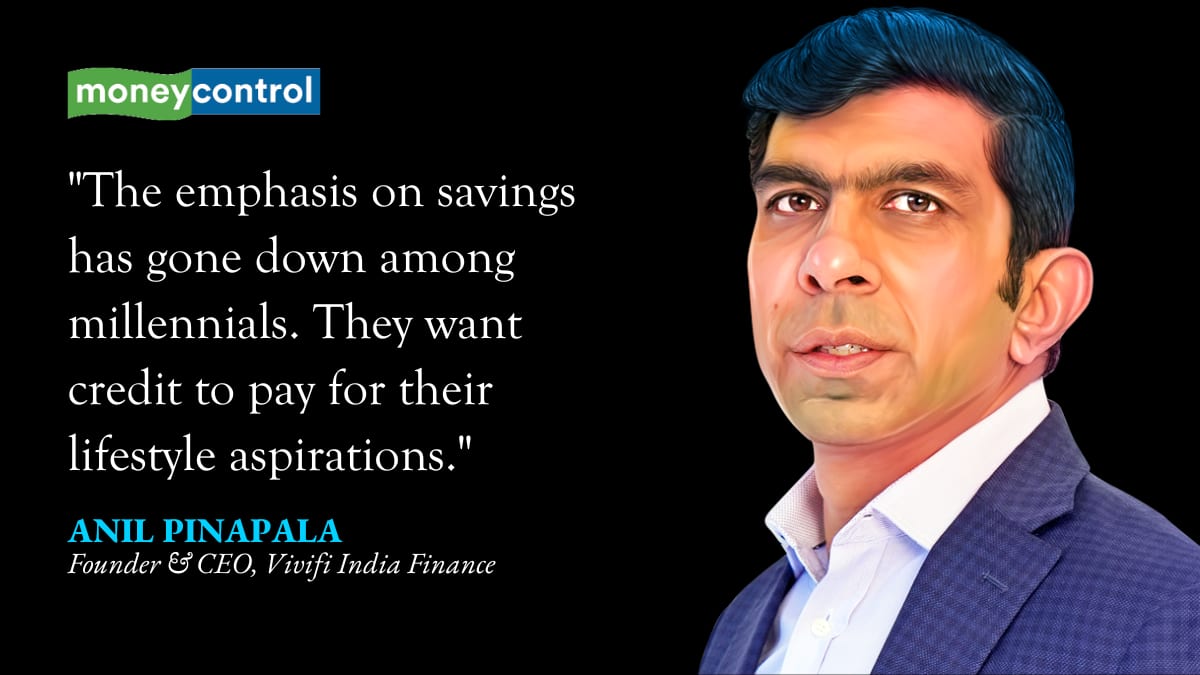
Also read | Loan apps can be potent killers. How to avert the traps and borrow responsibly?What are the trends you have observed in the digital lending space?We are observing, especially in our customer base, that the emphasis on saving has gone down quite a bit in the millennial generation. We’ve also seen there is a Fear of Missing Out (FOMO) on a new iPhone or, say, a brand-new car that has been recently launched, irrespective of what your economic status is. The millennials want to experience things first; they buy trending things immediately. The emphasis on saving is gone and they’re accessing credit products simply to experience things.

Discover the latest Business News, Sensex, and Nifty updates. Obtain Personal Finance insights, tax queries, and expert opinions on Moneycontrol or download the Moneycontrol App to stay updated!
Find the best of Al News in one place, specially curated for you every weekend.
Stay on top of the latest tech trends and biggest startup news.