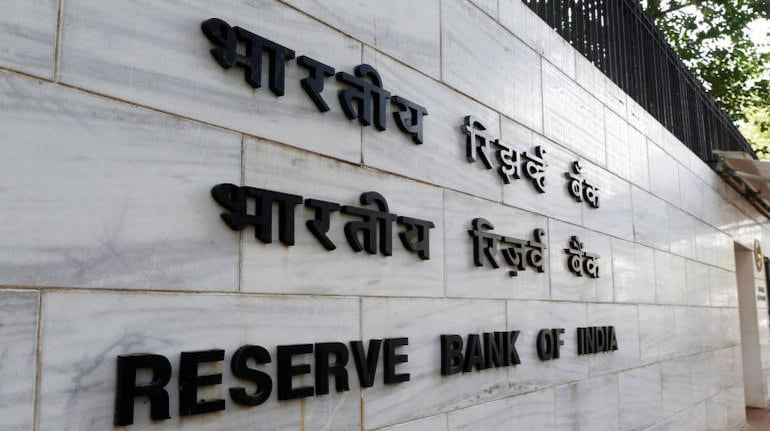
Foreign brokerages are betting on aggressive rate cuts by the Reserve Bank -- to the tune of 50-75 bps by October -- as they see retail inflation plunging to 2-2.5 per cent by December as all the fundamentals of the economy are very weak. While Wall Street major Bank of America (BofA) expects the RBI to slash up to 75 bps -- 25 bps on August 6 and another 50 bps in October, if the COVID-19 is brought under control by October. Swiss major UBS sees the central bank slashing 50 bps before the end of the fiscal as it expects inflation to plunge to 2.0-2.5 per cent by December.
At 6.1 per cent, retail inflation in June was much above market expectations of 5.2 per cent. But the number is lower than the previous two months -- at 6.3 per cent in May and still higher 7.2 per cent of April. It is expected to print in at 6.4 per cent in July.
"We expect inflation to slip to 2.5 per cent in the second half of the fiscal,” BofA said in a note citing the “very weak fundamental drivers” of the economy such as a contracting GDP, tight money supply, good rains, limited imported inflation and limited fiscal slippage.
Therefore, “we see the RBI cutting 25 bps on August 5, and 50 bps in the October review, assuming that the lockdown ends in mid-September and restart takes off from October", BofA economists said in a note on Tuesday.
Meanwhile, forecasting a steep fall in retail inflation, Swiss major UBS in a note said, “notwithstanding this near-term pick-up, we expect CPI inflation to decelerate towards 2-2.5 per cent in December and we continue to expect the RBI to ease policy rates by another 50 bps in FY21 taking the repo rate to 3.5 per cent".
UBS has blamed the steep increase in the June retail inflation to the supply-side constraints coupled with costly transport fuels after the government hiked petrol and diesel prices in April.
Significantly, the price pressure in rural areas was higher at 5.5 per cent than in urban areas at 5.2 per cent in June, which is not a comforting indicator of a softening trend though.
UBS house economists have based their optimism for downward trajectory for inflation on the demand weakness and the normal monsoon which so far has been 13 per cent above the average.
“We expect retail inflation to average close to the RBI's medium-term inflation target of 4 per cent largely on weak growth outlook and manageable food inflation. The monsoons have been progressing well, with cumulative rainfall 13 per cent above normal as of July 12, leading to a full 44 per cent higher sowing for the summer crop,” the noted added.
Forecasting a lower inflation trajectory, BofA said inflation is still peaking off from an imputed 7.2 per cent in April, secondly, supply disruptions, due to the national lockdown, are raising prices temporarily and slipping to 2.5 per cent in H2 on base effects, good rains, low demand and tight liquidity.
"On balance, we expect the RBI to cut rates by 25 bps on August 6 and 50 bps in October. Also, to contain yields in face of a 10.7 per cent of GDP of consolidated fiscal deficit, the RBI will likely conduct OMOs worth USD 102 billion,” BofA said.
Both the brokerages blamed the higher inflation to very high fuel prices offsetting the softening food inflation. Another reason is the higher gold prices which would have pushed personal care price inflation to double-digits.
Even as Brent crude prices are down 35 per cent currently, domestic retail prices of petrol and diesel are up 11 per cent and 22 per cent, respectively.
BofA said its rate cut forecast is based on multiple factors like the pandemic being tamed by October and the resultant normalisation of the economy and also the GDP contracting by 7.5 per cent in the June quarter.
"We expect the 75 bps rate cuts to combat the pandemic shock. With inflation breaching 2-6 per cent inflation mandate, the RBI will likely want to see remission before a bigger 50 bps cut. This assumes our base case of GDP contracting by 4 per cent with the lockdown stretching to mid-September and the restart taking all of October.
“But if the world economy has to wait for a vaccine, GDP will likely contract by 7.5 per cent in FY21. In such a case, the RBI will likely cut another 200 bps in FY21,” BofA said.
The UBS report warned that lower inflation and the resultant rate cuts depend on the trend in retail prices of fuel, urban wages as migrants return to villages and higher health care costs on account of the pandemic and if any upside pressures build up with a lag.
Discover the latest Business News, Sensex, and Nifty updates. Obtain Personal Finance insights, tax queries, and expert opinions on Moneycontrol or download the Moneycontrol App to stay updated!
Find the best of Al News in one place, specially curated for you every weekend.
Stay on top of the latest tech trends and biggest startup news.