






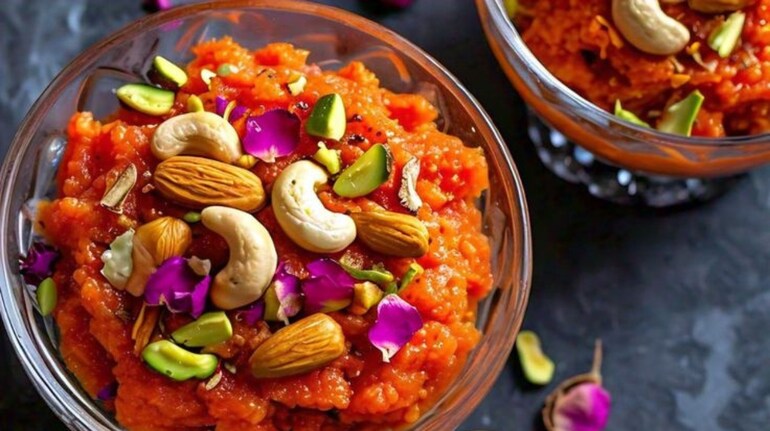

Winter in India has always had a sweet side, and halwa sits right at the heart of it. Rich, slow-cooked, and deeply comforting, halwas are more than festive indulgences — they’re seasonal foods designed to warm the body, strengthen immunity, and provide sustained energy. When prepared mindfully, they can be both nourishing and easy to digest, making them ideal winter companions.
Cold weather slows digestion, but it also increases the body’s demand for warmth and energy. Traditional halwas are cooked with ghee, nuts, grains, and root vegetables — ingredients that provide healthy fats, complex carbohydrates, and essential micronutrients. These elements help maintain body heat, support joint health, and prevent winter fatigue.
Also Read: Why all-day breakfast menus are the biggest café trend this winter
One of the easiest swaps is reducing refined sugar. Natural sweeteners like dates, jaggery, or date syrup offer minerals and fibre while being gentler on blood sugar levels. Slow cooking also plays a role — well-cooked grains and lentils are far easier to digest than rushed preparations. Modern adaptations allow us to enjoy halwa without overwhelming the digestive system.
Ghee is essential but should be used wisely. A moderate amount aids digestion and nutrient absorption, while excess can feel heavy. For those with sensitive digestion, mixing ghee with a little coconut oil can lighten the texture.
Almond halwa is rich in vitamin E, good fats, and protein. Soaking almonds overnight and peeling them before cooking improves digestibility. Sweeten it with dates and garnish with slivered pistachios for contrast. Carrot halwa remains a winter staple thanks to its beta-carotene content. Using low-fat milk or almond milk makes it lighter, while adding crushed cardamom enhances digestion. Garnish with toasted nuts and a few strands of saffron.
Moong dal halwa is traditionally heavy but incredibly nourishing. Using split yellow moong dal instead of whole and cooking it slowly with warm water before adding ghee reduces heaviness. Pairing it with a small portion of unsweetened curd helps balance richness. Atta (wheat) halwa provides warmth and strength, especially beneficial for joint health. To make it lighter, roast the flour thoroughly and sweeten with jaggery. A pinch of dry ginger powder can aid digestion.
Millet halwa made with ragi, jowar, or bajra is a fibre-rich alternative that supports gut health. Sweet potato halwa offers complex carbs and antioxidants, while pumpkin and beetroot halwas bring natural sweetness and vibrant colour along with vitamins. Walnut halwa supports brain health and is ideal in small portions. Sooji halwa, when prepared with less ghee and more water or milk, becomes a quick, comforting breakfast option. Date halwa works beautifully as a no-sugar dessert, rich in iron and energy.
Also Read: Why do vadas have a hole in the centre? The quiet wisdom behind this South Indian staple
Halwa presentations can elevate the experience – garnish with roasted nuts, edible rose petals, silver leaf, or orange zest. Serve in warm ceramic bowls or banana-leaf-lined plates for a traditional touch. A drizzle of warm ghee just before serving enhances aroma. Halwa pairs best with balance. Serve alongside herbal teas like fennel or ginger to aid digestion. Small portions after a light meal work better than heavy combinations. For breakfast, pair sooji or millet halwa with a protein-rich dish like paneer or nuts.
Discover the latest Business News, Sensex, and Nifty updates. Obtain Personal Finance insights, tax queries, and expert opinions on Moneycontrol or download the Moneycontrol App to stay updated!
Find the best of Al News in one place, specially curated for you every weekend.
Stay on top of the latest tech trends and biggest startup news.





