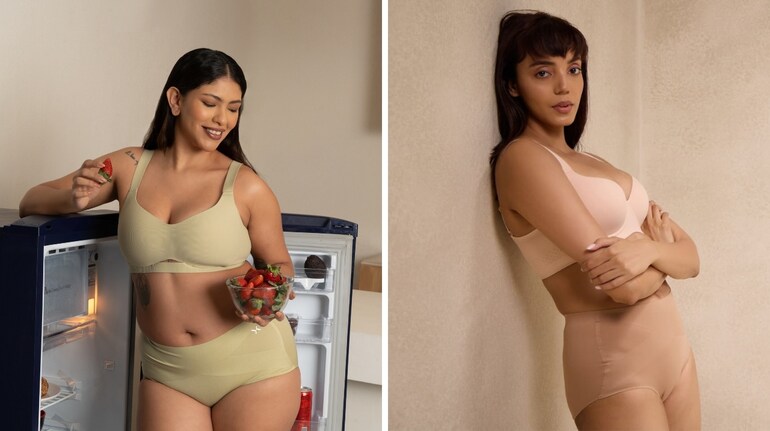

Shapewear has long existed in the Indian wardrobe, but its role has evolved dramatically. Once seen as a discreet and almost reluctant purchase, now it is being embraced across age groups, body types, and fashion sensibilities. With festive soirées, wedding celebrations, and award-season glamour filling calendars, shapewear is increasingly being viewed not as a corrective layer, but as an enhancement garment that supports silhouettes, smooths lines, and quietly boosts self-confidence.
Earlier, shapewear was often reduced to the idea of a “tummy tucker” but today’s versions are far more sophisticated. Crafted from blends of polyamide and high spandex, modern shapewear is lightweight, breathable, and designed to stretch and recover naturally, hugging the body without restricting it.
Also read | 10 wardrobe staples every woman should own, from white shirt to tailored blazer, more
This evolution has also brought greater nuance to how shapewear is designed and chosen. Yash Goyal, Co-Founder and CEO of Krvvy, explains, “With category evolution, brands now offer a spectrum of compression levels ranging between low, medium, and high, allowing consumers to choose products ranging from all-day, everyday wear to high-compression options designed for shorter durations, such as 4–5 hours for special occasions. As shapewear falls within the innerwear category, consumers typically prefer colours that closely match their skin tones, with nude, burro, and brown being the most popular choices.”
If you’re constantly adjusting, thinking about it, or hiding from mirrors, the shapewear has already failed. The right shapewear disappears into your body languageand you stand taller and more confident. Anant Bhardwaj, Co-Founder at Krvvy, clears some common myths and points out, “The biggest myths around shapewear it that it’s only for curvy bodies and it has been marketed as a “corrective” tool rather than a styling one. Shapewear is not about body size but how fabric behaves on a body – it functions more like an interlining or base layer than a tool for reduction. It’s a myth that smaller size is equal to better shaping, as it leads to rolling waistbands, bulges and restricted movement with visible compression lines. Always buy true to size – if between sizes, choose a size up with stronger fabric or targeted panels. Match shapewear to your skin tone, not the garment. For sheer fabrics, choose matte finishes over glossy ones.”
Also read | Demure trend: Expert tips and tricks to style the look, plus what to keep in mind to get it right
Shapewear is for anyone who wants a cleaner canvas under clothes. If your shapewear becomes the main character, it’s doing too much.
Here are the dos and don’ts to remember:
Be aware about the sizing and compression level of the shapewear that you’re buying. A tight shapewear will make you feel suffocated and literally serve the opposite of what it is supposed to and loose shapewear would just not work at all.
Match the right shape and function of the garment, nobody wants unwanted shapewear peek-a-boos.
Opt for breathable fabrics as long occasions and heavy outfits demand airflow. Test-drive your shapewear – walk, sit, dance, eat as mirror checks are not enough.
Don’t over-compress: If breathing feels like a bonus feature, drop it.
Don’t choose a thick shapewear that’ll just make your body look more bulky. Go for an invisible, seamless tech shaper.
Don’t ignore climate – heavy compression and thick fabrics in humid weather causes sweat patches and suffocation that show through clothes.
Discover the latest Business News, Sensex, and Nifty updates. Obtain Personal Finance insights, tax queries, and expert opinions on Moneycontrol or download the Moneycontrol App to stay updated!
Find the best of Al News in one place, specially curated for you every weekend.
Stay on top of the latest tech trends and biggest startup news.