






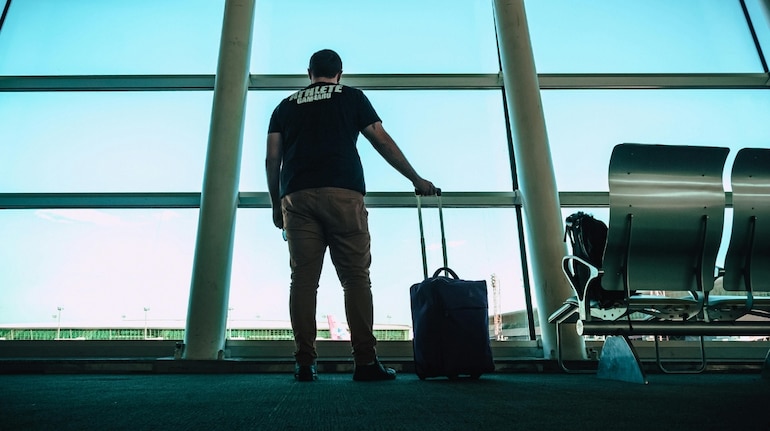
Traveling at the end of the year is all about celebrating, escaping and recharging — however, you can also scare your body wee bit as well. Cross-country or long-haul flights, sleep-wake cycle disturbances, climate changes, new foods and environments can all result in weakened immune systems and diminished well-being. A lot of travel-induced health problems — jet lag, dehydration, digestive issues or forgetting to take prescribed medicines — can be avoided with a little forethought and some smart packing.
“Concentrating on health before and during travel, is as crucial as scheduling itineraries," says Dr H. Guru Prasad, Clinical Director and HOD, Department of General Medicine/Internal Medicine, CARE Hospitals, Banjara Hills, Hyderabad. With of course some essential medicines, intellectual travellers can do without falling sick so often even outside their home country by following a few basic hygiene practices and staying hydrated.
With the right precautions, holiday makers can relax over the festive season (and beyond) and come back refreshed, rather than needing a holiday to recover from their trip abroad. These smart travel health habits will keep your trip unforgettable for all the right reasons.
Also Read: 7 diet trends of 2025 that changed eating habits
Jet lag isn’t just about feeling sleepy at odd hours—it disrupts digestion, mood, and your natural body rhythm. One easy trick is to gently shift your sleep schedule a day or two before you travel. If you’re flying west, stay up a little later; if you’re heading east, try sleeping earlier. Hydrating well before and during the flight also keeps the fatigue from feeling heavier.
Whether you take daily medication or just carry a few basics, keep them with you—not in your checked baggage. Flights get delayed, bags go missing, and you don’t want to be caught without something important. Pack a small pouch with your regular prescriptions, motion-sickness tablets, antacids, ORS sachets, and any doctor-recommended medicines for allergies or migraines.
You don’t need a full medical box—just a few essentials: adhesive bandages, a disinfectant, pain-relief medication, an anti-diarrhoeal option, a thermometer, and a small tube of antibiotic ointment. These basics handle most minor scrapes, fevers, or stomach upsets that crop up unexpectedly during travel.
Most travellers get adventurous as soon as they land, but your stomach is still adjusting. Choose meals that are familiar and light on the first day, especially after long flights. Give your gut a chance to settle before exploring new flavours.
Flights, cold weather, and lots of walking can dehydrate you faster than you expect. Keep sipping water steadily instead of drinking large amounts at once. If you’re travelling to a cold destination, warm fluids—like herbal teas—work just as well and help with circulation.
If you arrive during the day, avoid the temptation to nap for hours. A short 20–30 minute rest is enough. Let sunlight do some of the work—natural light resets the body clock better than anything else.
Also Read: 11 tricks to warm up if you feel cold all the time
Long flights leave your muscles stiff. A bit of stretching, slow walking, or even rolling your shoulders and ankles helps circulation and prevents that heavy, sluggish feeling.
Travelling at the end of the year should leave you refreshed, not run down. With a few mindful steps and a little planning, you can enjoy your trip and return home feeling energised, not exhausted.
Disclaimer: This article, including health and fitness advice, only provides generic information. Don’t treat it as a substitute for qualified medical opinion. Always consult a specialist for specific health diagnosis.
Discover the latest Business News, Sensex, and Nifty updates. Obtain Personal Finance insights, tax queries, and expert opinions on Moneycontrol or download the Moneycontrol App to stay updated!
Find the best of Al News in one place, specially curated for you every weekend.
Stay on top of the latest tech trends and biggest startup news.




