






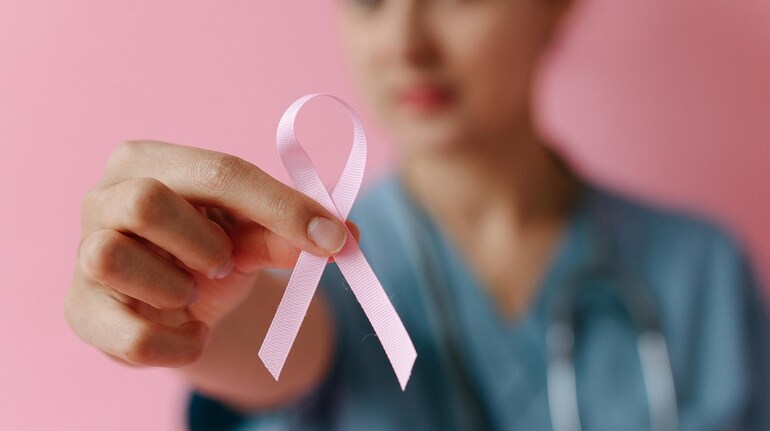

The rise in cancer cases feels like a dread across the globe. India alone bears millions of diagnoses every year, across every age group and community. Doctors now speak with a new clarity that says many cancers are not inevitable. In fact, research shows that lifestyle choices, diet, exercise, avoiding tobacco and alcohol, are not just good for general health but have been linked to significant reductions in cancer risk, especially for breast, colorectal and prostate cancers.
Studies reveal that adopting healthier behaviours correlates with tangible reductions in cancer risk. In one comprehensive review, people who followed a healthy lifestyle, maintaining healthy weight, eating nutrient-rich foods, staying active, and avoiding smoking and excessive alcohol, showed a marked decrease in overall cancer incidence. Dr Vivek Bande, Surgical Oncologist at TGH Onco-Life Cancer in Talegaon says that combining good lifestyle practices can lower both new cancer cases and cancer deaths by nearly one-third compared to unhealthy routines. Even breast cancer mortality decreased among women who joined regular screening and maintained healthful routines.
Also Read: World cancer day 2026: Pathologist lists common symptoms of cancer people often ignore
Dr Bande adds caution and empowerment. “In view of rising cancer cases, it is necessary to exercise caution for everyone. Healthy daily choices, early screening, and lifestyle awareness can lower the risk of developing cancer,” he says, his tone as steady as it is compassionate.
He reminds us that prevention is not blame — it’s power. “While not all cancers are avoidable, adopting healthier habits can greatly reduce risk and improve overall well-being.”
Tobacco in any form, be it cigarettes, bidis, chewing tobacco, carries deadly chemicals that damage DNA and spark cancer growth in lungs, mouth, throat and beyond. Stopping any tobacco habit is the single most impactful change you can make.
A diet rich in fruits, vegetables, whole grains and lean proteins supports immunity and lowers cancer-linked inflammation. Processed foods, sugary snacks and red meat correlate with higher risk, so swap them for colourful, whole ingredients.
Physical activity isn’t just about fitness, it’s a proven defence. Regular exercise helps regulate hormones and reduces inflammation, lowering chances of breast, colon and uterine cancers. Aim for activity most days, even if it’s brisk walking with friends.
Alcohol is a known carcinogen linked to cancers of the liver, breast, colon and more. Even moderate drinking can elevate risk over time; the safest choice is mindful reduction or abstinence.
Certain viruses like HPV and hepatitis B account for thousands of cancer cases yearly. Vaccination and safe healthcare practices are key tools in prevention, especially for cervical and liver cancers.
Also Read: World Cancer Day 2026: 5 mental well-being tips for patients living with breast cancer
Screening detects hidden cancers early, when treatment has the best chance of success. Tests like mammograms, Pap smears, colonoscopies or prostate checks save lives long before symptoms appear.
What lifestyle changes can help reduce cancer risk?
Maintaining a healthy weight, eating nutrient-rich foods, staying active, quitting smoking, and limiting alcohol intake are key lifestyle changes that can reduce cancer risk.
How does diet influence cancer risk?
A diet rich in fruits, vegetables, whole grains, and lean proteins supports immunity and reduces inflammation linked to cancer. Avoid processed foods, sugary snacks, and red meat, which are associated with higher cancer risk.
Why is regular physical activity important?
Regular exercise helps regulate hormones and reduce inflammation, lowering the chances of breast, colon, and uterine cancers. Aim for activity most days.
How does alcohol consumption affect cancer risk?
Alcohol is a known carcinogen linked to cancers of the liver, breast, colon, and more. Reducing or abstaining from alcohol can lower cancer risk.
Can infections increase cancer risk?
Yes, certain viruses like HPV and hepatitis B are linked to cancer. Vaccination and safe healthcare practices can help prevent these infections and reduce cancer risk.
How important are regular screening appointments?
Regular screenings can detect hidden cancers early when treatment is most effective. Tests like mammograms, Pap smears, colonoscopies, or prostate checks are crucial in identifying cancers before symptoms appear.
Disclaimer: This article, including health and fitness advice, only provides generic information. Don’t treat it as a substitute for qualified medical opinion. Always consult a specialist for specific health diagnosis.
Discover the latest Business News, Sensex, and Nifty updates. Obtain Personal Finance insights, tax queries, and expert opinions on Moneycontrol or download the Moneycontrol App to stay updated!
Find the best of Al News in one place, specially curated for you every weekend.
Stay on top of the latest tech trends and biggest startup news.





