







You wake some mornings feeling inexplicably drained, your belly bloated and uncomfortable. Another day, your skin turns a shade too yellow, urging you to google the symptoms. These could just be symptoms of indigestion, or they might be signs of a troubled liver.
Liver cancer is not a single disease but a spectrum of tumours arising in the liver. The most common type is hepatocellular carcinoma (HCC), which starts in liver cells. There’s also intrahepatic cholangiocarcinoma (ICC), which begins in the bile ducts within the liver. Additionally, many cancers found in the liver are not primary at all, they have spread from elsewhere in the body. Because early stages are usually symptomless, many diagnoses occur only after the cancer has advanced, when treatment options are limited and outcomes are poor.
Despite better screening tools, liver cancer ranks among the leading causes of cancer deaths worldwide, partly because many cases are detected late.
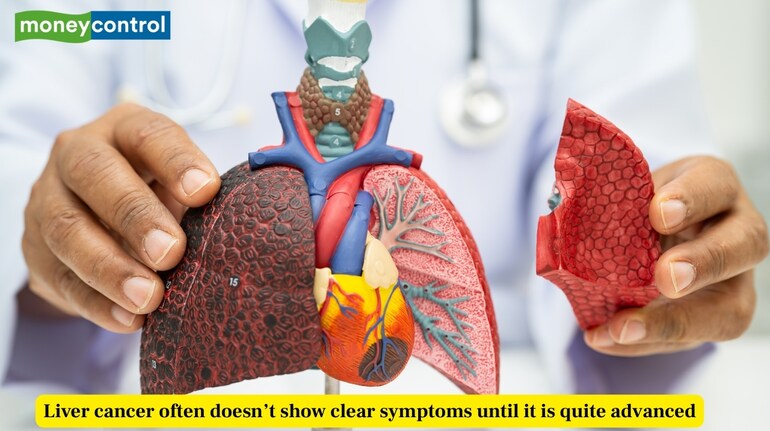
Liver cancer is one of the leading causes of cancer deaths worldwide. One reason it is so deadly is that it often doesn’t show clear symptoms until it is quite advanced.
Some risks come from infections, like hepatitis B or C, which can damage the liver over time. Lifestyle choices—like drinking too much alcohol, smoking, being overweight, or eating unhealthily—also increase the risk. Even family history or certain genes can make someone more likely to get liver cancer.
Also read: Are the eggs you eat for breakfast safe? Doctor says beware of this one substance
Non-alcoholic fatty liver disease (NAFLD), often linked to obesity and poor diet, can slowly harm the liver and raise the chance of liver cancer. More people are developing NAFLD worldwide, so it’s becoming an important factor.
Doctors traditionally use scans like ultrasound, CT, or MRI to find liver cancer. But researchers are now exploring blood tests and genetic tests that could spot the disease earlier, even before obvious symptoms appear.
Scientists are studying special molecules in the blood called biomarkers. These can give clues about liver cancer early and might help doctors personalise treatment for each patient.
The earlier liver cancer is found, the better the chances of successful treatment. Therefore, regular check-ups, especially for people at higher risk, are important.
Also read: Doctor says these 3 medicines can save a heart attack patient
Q1. What is liver cancer?
Liver cancer occurs when abnormal cells grow uncontrollably in the liver. The most common type is hepatocellular carcinoma (HCC).
Q2. What are the main causes of liver cancer?
Chronic liver diseases such as fatty liver disease, hepatitis B or C infection, cirrhosis, excessive alcohol use, and long-term toxin exposure increase the risk.
Q3. Can fatty liver disease lead to liver cancer?
Yes. Untreated fatty liver disease can progress to inflammation, fibrosis, cirrhosis, and eventually increase the risk of liver cancer.
Q4. What are common symptoms of liver cancer?
Early liver cancer often has no symptoms. As it progresses, symptoms may include unexplained weight loss, fatigue, abdominal pain, jaundice, loss of appetite, and swelling in the abdomen.
Q5. Who is at higher risk of developing liver cancer?
People with chronic liver disease, diabetes, obesity, viral hepatitis, heavy alcohol use, or a family history of liver cancer are at higher risk.
Disclaimer: This article, including health and fitness advice, only provides generic information. Don’t treat it as a substitute for qualified medical opinion. Always consult a specialist for specific health diagnosis.
Discover the latest Business News, Sensex, and Nifty updates. Obtain Personal Finance insights, tax queries, and expert opinions on Moneycontrol or download the Moneycontrol App to stay updated!
Find the best of Al News in one place, specially curated for you every weekend.
Stay on top of the latest tech trends and biggest startup news.





