






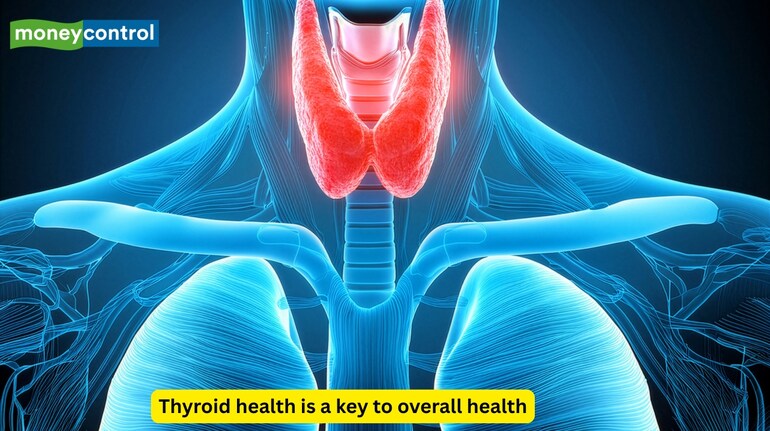

Thyroid disorders are one of the silent but important causes in both male and female infertility. The hormonal balance, metabolism and reproductive function can all be influenced by the thyroid and even subtle problems of this gland can interfere with conception.
Thyroid health is a key to overall health, and yet it's often overlooked—especially when you're considering fertility. The thyroid gland has roles in the modulation of metabolism, energy regulation and hormone production. All are fundamental to normal reproductive function through specific hormones it produces. Even minor shifts in thyroid hormone can cause the body’s intricate balance of hormones to go haywire, sometimes with no apparent signs.
Hypothyroidism, as well as hyperthyroidism, can affect ovulation, menstrual regularity, sperm quality and libido. Often, people who are having trouble getting pregnant don’t even realize they have an undiagnosed thyroid condition causing their infertility issues. Thyroid-related fertility troubles are often undiagnosed, because the symptoms may seem mild or tied to stress or lifestyle.
As per Dr Manisha Arora, Director – Internal Medicine at CK Birla Hospital®, Delhi, early detection of thyroid disorders and proper management can do wonders in ensuring optimal fertility and a healthy pregnancy for both male and female.
The thyroid gland also secretes hormones that regulate the menstrual cycle, ovulation, and sperm production. If the level of thyroid hormone is not within the normal range, the balance of hormones that can lead to conception can be disrupted.
In women, hypothyroidism is known to cause irregular menses, excessive bleeding, or even absent menses in some cases. This happens because the thyroid hormone has a direct effect on the hormone that causes ovulation. If ovulation becomes irregular or stops, then the chances of conception become very low.
A healthy thyroid is necessary for proper ovulation. An imbalance of thyroid hormones, whether it is high or low, can cause ovulation to be delayed or even prevented, making conception difficult. Even a slight imbalance in thyroid hormones can affect the release of the egg and fertilization.
Thyroid disorders do not occur in women only. In men, an imbalance of thyroid hormones can lead to a decrease in the number of sperm, decreased sperm motility, and abnormal sperm morphology. This can result in reduced fertility potential and can be a cause of unexplained male infertility.
If left untreated, thyroid conditions can raise the risk of complications during pregnancy. Such complications include miscarriage, preterm delivery, low birth weight, and developmental problems in the baby. It is essential to have normal levels of thyroid hormones before and during pregnancy.
Because of its intimate connection with reproductive health, thyroid laboratory investigations always should be part of infertility workups. Blood tests that measure T3, T4 and TSH can identify thyroid issues that would otherwise go unnoticed.
Also read: Doctor says these 3 medicines can save a heart attack patient
Thyroid related fertility problems can be reversed with the right kind of treatment. With the correct treatment, the hormonal imbalance can be treated and pregnancy odds increased.
Thyroid problems are often an under-the-surface menace that silently interfere with fertility — you might not even have symptoms. Once people learn about how important their thyroid is, they can take steps to help maintain good reproductive health. Thyroid concerns are not just serious for getting pregnant but also in maintaining a pregnancy.
2. How does hypothyroidism impact fertility?
Low thyroid hormone levels can delay or prevent ovulation, affect egg quality, and increase prolactin levels, which may suppress ovulation. Untreated hypothyroidism is also associated with a higher risk of miscarriage.
3. Does hyperthyroidism interfere with getting pregnant?
Yes. Excess thyroid hormones can lead to irregular or missed periods and may reduce implantation chances. If left untreated, it can also raise the risk of pregnancy complications.
4. Can thyroid problems affect male fertility as well?
Yes. In men, thyroid disorders can impact sperm count, motility, morphology, and testosterone levels, making conception more difficult.
5. Can fertility improve once thyroid levels are treated?
In most cases, yes. Proper diagnosis and treatment with medication can restore hormone balance, improve menstrual regularity, enhance sperm quality, and significantly increase the chances of conception.
Disclaimer: This article, including health and fitness advice, only provides generic information. Don’t treat it as a substitute for qualified medical opinion. Always consult a specialist for specific health diagnosis.
Discover the latest Business News, Sensex, and Nifty updates. Obtain Personal Finance insights, tax queries, and expert opinions on Moneycontrol or download the Moneycontrol App to stay updated!
Find the best of Al News in one place, specially curated for you every weekend.
Stay on top of the latest tech trends and biggest startup news.





