






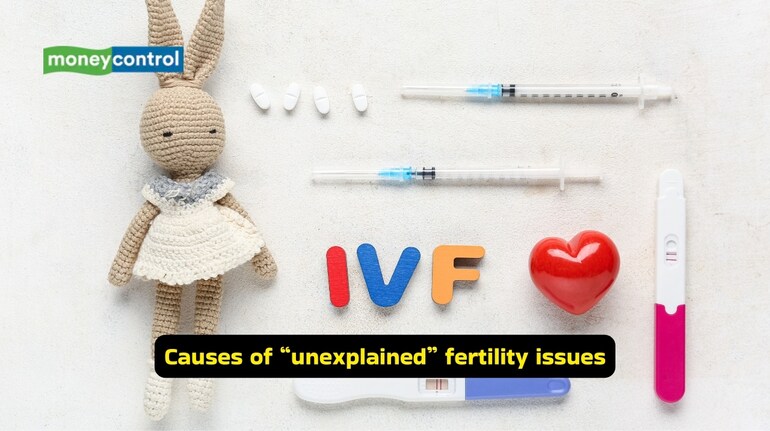

There are many advantages of living in urban cities which come in the form of exciting new opportunities and advanced facilities, but it comes with a cost. Pollution exposure, lifestyle patterns, and chronic stress lead to health concerns that impact fertility. These shape reproductive health long before couples plan a pregnancy.
Dr Sonu Taxak, Senior IVF Consultant and Director at Yellow Fertility, tells Moneycontrol, “Modern city life brings biological challenges that often go unnoticed. Long commutes, sedentary workdays, irregular meals, limited sunlight, and disrupted sleep cycles have become common, affecting urban professionals in their late 20s and early 30s.”
Air pollution, industrial chemicals, pesticide residues, plastics, and endocrine-disrupting toxins are linked to reproductive health concerns. Clinically, many patients show reduced fertility without any identifiable disease.
This pattern suggests that environmental stressors, especially poor air quality and chemical exposure, are affecting egg quality, sperm parameters, and hormonal balance.
Also read | Why more young couples are turning into fertility testing early
Nutrition deficiencies, prolonged stress, poor sleep hygiene, lack of physical activity, and repeated exposure to toxins accumulate over the years. From a medical lens, fertility is the body’s way of signalling overall physiological balance. When systems are under constant strain, reproduction is often not prioritised by the body. This explains why even young couples with no apparent health issues may face unexpected delays in conceiving.
Stress is no longer just an emotional concern; it has become a biological disruptor. Chronic mental and physical stress interferes with the delicate hormonal balance required for ovulation, sperm production, and implantation.
Elevated cortisol levels can suppress reproductive hormones, disrupt menstrual cycles, and impair sperm quality. Urban lifestyles marked by performance pressure, financial stress, and digital overload are making stress a persistent part of daily life.
Also read | Starting IVF? 7 things couples need to know before taking the leap
A growing number of couples today receive a diagnosis of “unexplained infertility,” where standard tests appear normal, yet conception does not occur. Clinicians increasingly believe these cases are less about hidden medical defects and more about cumulative lifestyle load and environmental strain.
When the body is exposed to constant low-grade stress like pollution, poor diet, erratic sleep, and emotional pressure, fertility may decline. This makes prevention and early awareness more critical than ever.
Medical practice in reproductive health is evolving. There is a growing emphasis on protecting fertility early rather than addressing concerns only after delays arise. Fertility awareness, preconception counselling, lifestyle screening, and early hormonal assessments are becoming essential tools.
Doctors are recognising that waiting until conception fails often means working against years of accumulated damage. Protection, not just treatment, is emerging as the new priority.
The encouraging reality is that fertility is responsive to positive change. Small, consistent interventions, guided by medical advice, can improve reproductive health to a great extent. Balanced nutrition, regular physical activity, stress management, reduced toxin exposure, and timely health check-ups can support hormonal balance and gamete quality.
One of the most important shifts in modern fertility care is the recognition that reproductive health is a shared responsibility. Male fertility is equally affected by urban pollution, lifestyle stress, smoking, alcohol consumption, and sedentary habits. Clinically, declining sperm counts, motility issues, and DNA fragmentation are being observed more frequently among urban men. Addressing fertility as a couple, rather than placing the burden solely on women, leads to better outcomes and healthier long-term planning.
1. How does urban living affect fertility?
Urban living exposes individuals to pollution, chronic stress, and lifestyle factors like irregular meals and limited sunlight. These contribute to fertility issues by affecting egg quality, sperm health, and hormonal balance.
2. Why is environmental exposure crucial for fertility?
Air pollution, industrial chemicals, and endocrine-disrupting toxins are linked to decreased fertility. Poor air quality and chemical exposure can impact egg quality, sperm parameters, and hormonal balance.
3. How does stress influence reproductive health?
Chronic stress disrupts hormonal balance needed for ovulation and sperm production. Elevated cortisol levels can suppress reproductive hormones, disturb menstrual cycles, and impair sperm quality.
4. Why are ‘unexplained’ fertility issues increasing?
Many couples face unexplained infertility due to cumulative lifestyle and environmental stress. Constant exposure to pollution, poor diet, erratic sleep, and emotional pressure can decline fertility.
5. What proactive steps can improve fertility?
Early awareness, preconception counselling, balanced nutrition, regular exercise, stress management, reduced toxin exposure, and timely health check-ups can support hormonal balance and gamete quality.
Disclaimer: This article, including health and fitness advice, only provides generic information. Don’t treat it as a substitute for qualified medical opinion. Always consult a specialist for specific health diagnosis.
Discover the latest Business News, Sensex, and Nifty updates. Obtain Personal Finance insights, tax queries, and expert opinions on Moneycontrol or download the Moneycontrol App to stay updated!
Find the best of Al News in one place, specially curated for you every weekend.
Stay on top of the latest tech trends and biggest startup news.





