







Stomach upsets have a way of appearing just when the weather turns cold. Bloating, acidity, cramps, or indigestion become far more common in winter, even among people who otherwise have strong digestion. The reason is simple: cold weather slows down the digestive fire. Fortunately, mild stomach discomfort can often be managed at home with simple, time-tested remedies that soothe the gut and restore balance.
In winter, the body naturally conserves energy. Metabolism slows slightly, thirst cues reduce, and we tend to eat richer, warmer foods. While comforting, these foods are often heavier to digest. Add to that less movement, long gaps between meals, and excessive tea or coffee, and the digestive system becomes strained.
Cold temperatures can also cause intestinal muscles to contract, leading to cramps or bloating. Immunity dips during seasonal transitions, increasing susceptibility to infections and food sensitivities. The result is a rise in acidity, gas, constipation, and stomach discomfort.
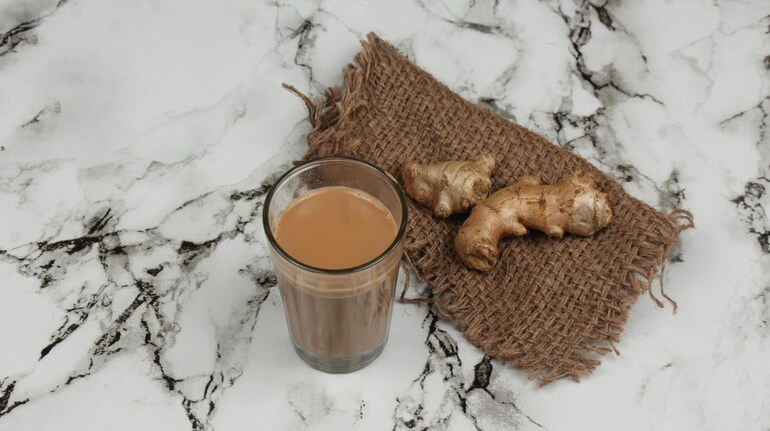
One of the simplest remedies is warmth. Sipping warm water throughout the day helps stimulate digestion and ease bloating. Herbal teas work especially well. Ginger tea is a classic: Ginger reduces inflammation, aids digestion, and relieves nausea. Cumin (jeera) water helps with gas and acidity, while fennel (saunf) tea soothes cramps and heaviness. Peppermint tea can relax the intestinal muscles, making it effective for abdominal discomfort. For acidity, chamomile tea calms the stomach lining and promotes relaxation.
A glass of warm lemon water with a pinch of rock salt can stimulate digestion and reduce nausea. Coconut water helps rehydrate the body and restore minerals. Rice water, often overlooked, is gentle on the stomach and helps calm irritation. For those prone to acidity, a teaspoon of soaked basil (tulsi) seeds in water can provide cooling relief.
When the stomach is upset, simplicity is key. Easily digestible foods give the gut a chance to recover. Khichdi, plain rice with curd, oatmeal, or soft vegetable soups are gentle and nourishing. Bananas help restore electrolytes and reduce acidity, while applesauce supports gut health with soluble fibre.
Curd and homemade buttermilk introduce good bacteria that rebalance gut flora, especially after episodes of loose motions or indigestion. Adding roasted cumin powder to buttermilk enhances its digestive benefits. Avoid raw salads, fried foods, excessive dairy, and spicy or greasy meals until the stomach settles.
Used correctly, spices can be powerful digestive aids. Ginger, ajwain (carom seeds), and hing (asafoetida) are particularly effective. Chewing a pinch of ajwain with warm water can relieve gas and cramps. A small amount of hing added to warm water or food helps reduce bloating and discomfort. Turmeric, known for its anti-inflammatory properties, supports gut healing when added to warm milk or light meals.
Eating at regular times, chewing food thoroughly, and avoiding lying down immediately after meals can prevent recurring stomach issues. Light movement, such as a short walk after eating, improves digestion. Keeping the abdomen warm, especially in cold weather, also helps relax digestive muscles.
While home remedies work well for mild discomfort, persistent pain, fever, severe vomiting, or blood in stools should not be ignored and require medical attention.
1: What home remedy can I use for bloating and indigestion?
Sipping warm fluids like ginger tea, cumin water, or fennel tea can help. These stimulate digestion, reduce bloating, and ease discomfort.
2. How can I relieve stomach cramps at home?
Peppermint tea and a small amount of hing (asafoetida) in warm water can relax intestinal muscles and reduce cramps effectively.
3. What foods are gentle on an upset stomach?
Simple, easily digestible foods like khichdi, plain rice with curd, oatmeal, and soft vegetable soups are gentle on the stomach and help recovery.
4. Which spices can aid digestion without causing irritation?
Ginger, ajwain (carom seeds), and turmeric are beneficial. Chewing a pinch of ajwain with warm water or adding turmeric to warm milk can aid digestion.
5. What lifestyle changes can help prevent recurring stomach issues?
Eating at regular times, chewing food thoroughly, avoiding lying down after meals, and light walking post-meals improve digestion and prevent discomfort.
Disclaimer: This article, including health and fitness advice, only provides generic information. Don’t treat it as a substitute for qualified medical opinion. Always consult a specialist for specific health diagnosis.
Discover the latest Business News, Sensex, and Nifty updates. Obtain Personal Finance insights, tax queries, and expert opinions on Moneycontrol or download the Moneycontrol App to stay updated!
Find the best of Al News in one place, specially curated for you every weekend.
Stay on top of the latest tech trends and biggest startup news.





