






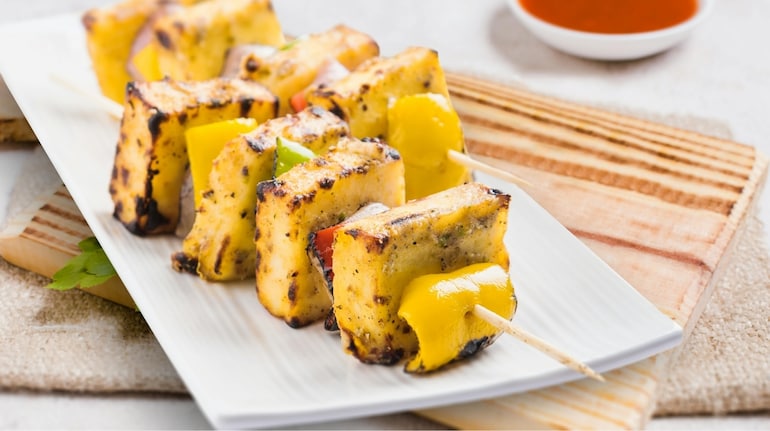

A steaming bowl of paneer curry has long symbolised comfort in many Indian homes. However, today, there is a rising concern whether what you are eating is genuine or real. Food safety investigations in parts of India have revealed troubling numbers. In some inspections, a large proportion of paneer samples failed quality standards due to adulteration or substandard ingredients.
The revelation has encouraged many households to look at their favourite dairy ingredient with newfound curiosity. Food scientists explain that fake paneer or mawa is sometimes made using starch, vegetable oils, detergents, or synthetic milk to look and feel like the texture of real dairy.
Such substitutes may lower nutritional value and potentially trigger stomach upset, nausea, or long-term stress on organs like the liver and kidneys if consumed frequently. According to research by health institutions, including the National Institutes of Health, contaminants and chemical additives in food can interfere with digestion, metabolic processes, and hormonal balance when consumed repeatedly over time.
Also read | Unpackaged vs packaged spices: Which is safer to consume?
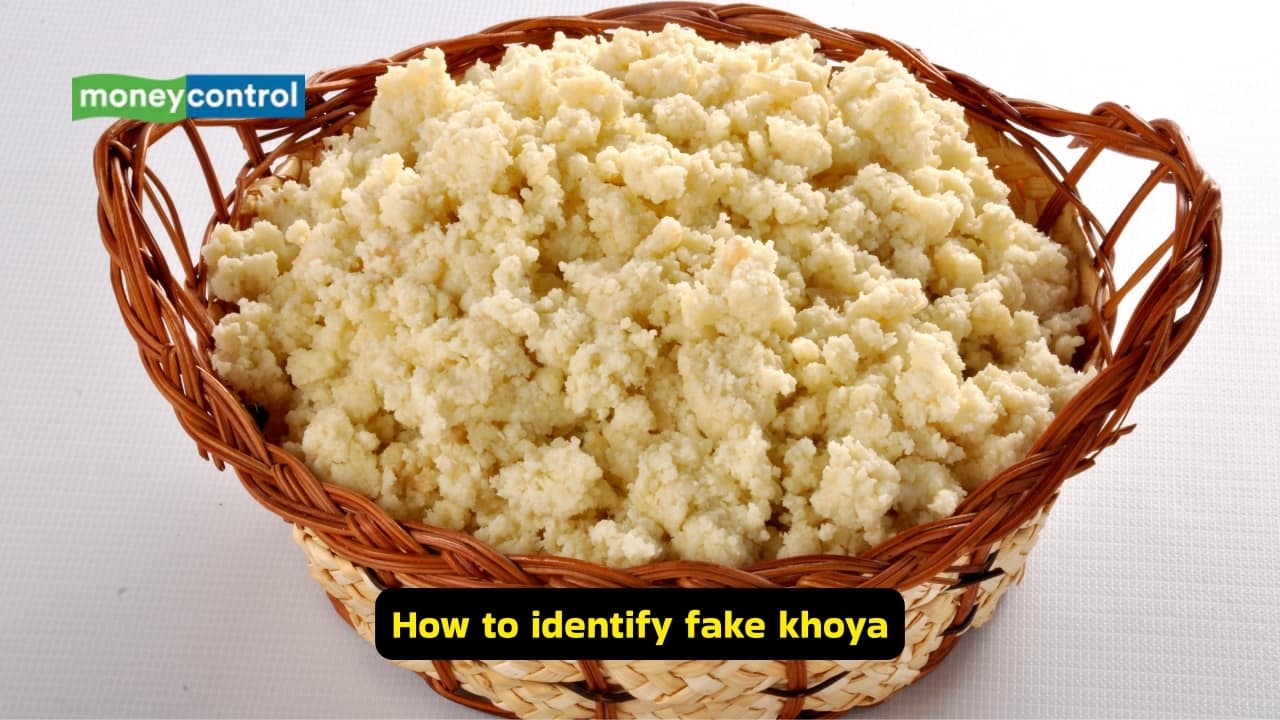
With a few everyday observations and simple tests, you can become detectives of your own food. Here are simple ways to check the authenticity of paneer and mawa.
Fresh paneer has a slightly grainy yet soft structure that holds together when pressed. If it feels rubbery, excessively smooth, or oddly elastic, it may contain starch or synthetic binders. Genuine mawa should feel smooth and slightly granular rather than sticky or gummy.
Also read | How expired or contaminated food impacts health and what parents should know
Real dairy carries a subtle, warm, milky fragrance. When paneer or mawa smells sour, chemical-like, or strangely bland, it may signal adulteration or spoilage.
One of the simplest kitchen experiments involves iodine tincture. When a few drops are added to boiled paneer, a blue colour change suggests the presence of starch, a common adulterant used to bulk up fake paneer.
Place a small piece of paneer or mawa in a pan. Pure dairy usually softens and releases natural fat evenly. If it turns watery, burns quickly, or behaves unusually, the ingredients may not be genuine.
Authentic paneer has a clean, mildly milky flavour and releases a little whey when pressed. Synthetic versions often taste artificial and feel dry or overly chewy.
While food regulators continue to intensify inspections as dairy adulteration raises public-health concerns. awareness at home remains a powerful line of defence. A simple observation; a smell, a colour change, a strange texture, can reveal a lot.
Disclaimer: This article, including health and fitness advice, only provides generic information. Don’t treat it as a substitute for qualified medical opinion. Always consult a specialist for specific health diagnosis.
Discover the latest Business News, Sensex, and Nifty updates. Obtain Personal Finance insights, tax queries, and expert opinions on Moneycontrol or download the Moneycontrol App to stay updated!
Find the best of Al News in one place, specially curated for you every weekend.
Stay on top of the latest tech trends and biggest startup news.





