Antinutrients are naturally occurring compounds found in many plant-based foods that can interfere with the absorption of essential nutrients in the body. These compounds are part of the plant’s defence mechanisms, protecting them from pests and environmental stress. While they can hinder the absorption of nutrients like minerals and proteins, it’s important to note that antinutrients are not inherently harmful in small amounts, and many foods containing them are still highly nutritious. Some common antinutrients, according to nutritionist Radhika Nikunj, include:
Phytates (phytic acid): They are present in seeds, nuts, grains, and legumes, phytates can bind to minerals like iron, calcium, and zinc, reducing their absorption in the digestive tract.
Oxalates: They are present in foods like spinach, beetroot, and nuts, oxalates can bind to calcium, forming insoluble crystals that may contribute to kidney stones in susceptible individuals.
Lectins: These are proteins found in legumes, grains, and some vegetables. In large amounts, lectins can interfere with nutrient absorption and damage the gut lining.
Tannins: They are found in tea, coffee, wine, and some fruits, tannins can inhibit the absorption of iron and other minerals.
Goitrogens: They are found in cruciferous vegetables like broccoli, cauliflower, and kale, goitrogens can interfere with thyroid function by inhibiting iodine uptake.
How to reduce antinutrients in your dietWhile antinutrients can have some negative effects, there are several methods to reduce their levels in foods, making the nutrients more bioavailable:
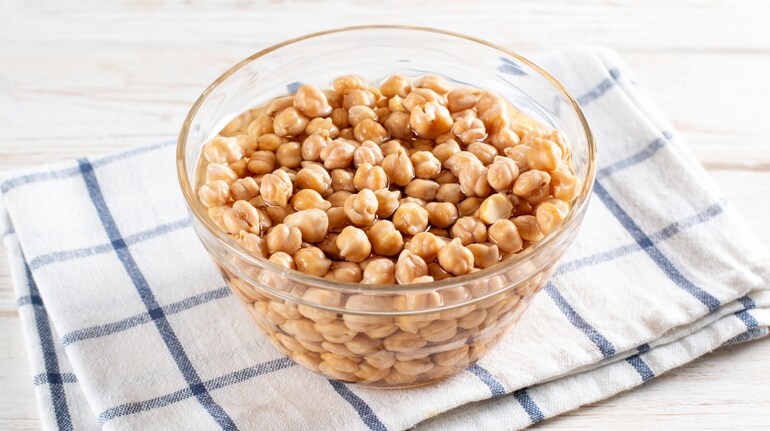
Soaking: Soaking beans, legumes, grains, and nuts in water for several hours (or overnight) can reduce the levels of phytates and lectins. The water can then be drained, and the food can be rinsed before cooking.
Sprouting: Sprouting seeds, grains, and legumes triggers the germination process, which reduces phytates, lectins, and other antinutrients while also increasing the availability of some nutrients, such as vitamins and enzymes.
Fermentation: Fermenting foods like soy (to make tempeh or miso) or grains (to make sourdough bread) can significantly reduce antinutrient levels. The fermentation process breaks down phytates and tannins, making nutrients more accessible.
Cooking: Cooking foods, especially boiling or steaming, can help reduce levels of antinutrients such as lectins, tannins, and oxalates. For example, boiling spinach can lower its oxalate content.
Pairing with vitamin C: Consuming foods rich in vitamin C (like citrus fruits, bell peppers, or strawberries) alongside foods containing antinutrients can enhance the absorption of minerals like iron, counteracting the effects of phytates and tannins.
Diversifying your diet: Eating a varied diet ensures you get a wide range of nutrients and minimises the impact of any single antinutrient. Including animal products, if your diet allows, can also help balance nutrient absorption, as they typically don’t contain antinutrients.
Discover the latest Business News, Sensex, and Nifty updates. Obtain Personal Finance insights, tax queries, and expert opinions on Moneycontrol or download the Moneycontrol App to stay updated!
Find the best of Al News in one place, specially curated for you every weekend.
Stay on top of the latest tech trends and biggest startup news.