






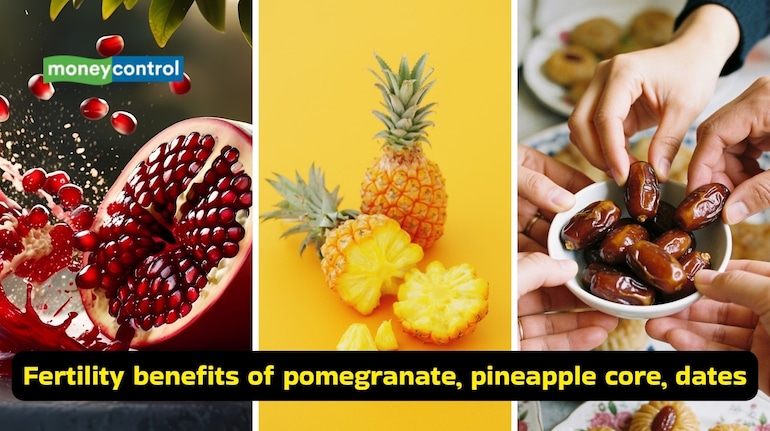

There is no doubt that lifestyle choices, especially what you eat, influences fertility. The interest in both is not new, but what has changed is the speed with which individual foods are now being labelled as fertility fixes.
Pineapple core, pomegranate seeds and dates are currently being discussed widely in the context of male fertility. While diet does influence reproductive health, the evidence behind these foods needs to be understood in detail. Dr Rashmika Gandhi, Fertility Specialist at Birla Fertility, IVF, Gurgaon shared her insights…
Pineapple, including the core, contains bromelain, which is an enzyme with known anti-inflammatory and digestive benefits. Bromelain has been studied for its role in reducing inflammation and improving circulation, but there is no clinical evidence linking pineapple intake to improvements in sperm count, motility or morphology.
Also read | Boost fertility naturally: 9 things nobody told you about sperm and egg health before your 30s
Its reputation as a fertility food appears to be an extension of its general health profile rather than anything reproductive health-specific.
Pomegranate is often stated as a fertility fix more confidently, largely because oxidative stress is a recognised factor in male infertility. Sperm cells are particularly vulnerable to oxidative damage, which can affect motility and DNA integrity. Some studies have shown that pomegranate juice or extract can improve sperm parameters, which is likely due to its antioxidant content.
Some small studies have also reported decent increases in testosterone levels after regular pomegranate juice consumption. However, these studies are limited, and there is currently no strong clinical evidence to suggest that pomegranate consumption alone translates into improved fertility outcomes in men.
Datesare nutritionally rich and provide fibre, minerals and antioxidants. They support metabolic health, which is relevant because conditions such as obesity and insulin resistance can impair sperm quality. That said, dates have not been shown to independently improve semen parameters. Their role is supportive, not therapeutic.
Also read | Foods that boost fertility: Follow this diet guide to improve egg quality, balance hormones
Clinically, male fertility does not improve because of one particular food or food group. Sperm health reflects a broader physiological picture made up of hormonal balance, oxidative stress, sleep quality, alcohol intake, smoking, body weight and underlying medical conditions. Diets that consistently support sperm health are those rich in antioxidants, zinc, selenium and omega-3 fatty acids, found in foods such as nuts, seeds, eggs, leafy vegetables and oily fish.
Viral fertility foods may fit into a balanced diet, but they should not replace evaluation, diagnosis or evidence-based care.
Disclaimer: This article, including health and fitness advice, only provides generic information. Don’t treat it as a substitute for qualified medical opinion. Always consult a specialist for specific health diagnosis.
Discover the latest Business News, Sensex, and Nifty updates. Obtain Personal Finance insights, tax queries, and expert opinions on Moneycontrol or download the Moneycontrol App to stay updated!
Find the best of Al News in one place, specially curated for you every weekend.
Stay on top of the latest tech trends and biggest startup news.





