






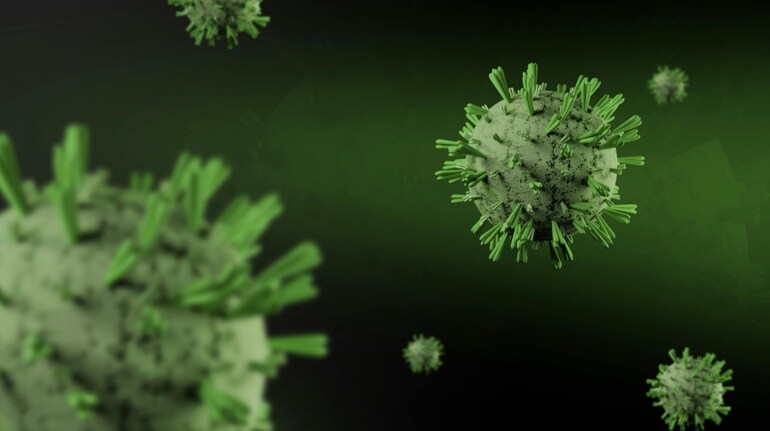

Nipah virus in once again dominating headlines. Five confirmed cases have emerged from West Bengal. Precautionary screening measures are on in full swing across airports in Asia since the virus is deemed as one of the deadliest infections to plague the world.
Do you know when the first outbreak of virus was identified? Well, it was during the years 1998-99 in Malaysia. Farmers noticed that a lot of pigs were suffering from respiratory illness, and as a result of it, eventually, pig farmers and abattoir workers too began falling sick.
At first, the diagnosis of the spread of illness was attributed to Japanese Encephalitis, but it of course was a misplaced one. Due to wrong diagnosis, prompt action could not be taken to control the spread. A lot of people who survived the disease at the time developed long-term neurological problems. The fatality rate back then was around 40 per cent and the number of cases that were reported was around 270.
With the virus spreading from pigs to humans, the zoonotic disease had triggered a health crisis. This explains why a lot of pigs, close to 1 million of them, were culled at the time to curb the outbreak.
Wondering why the virus is called Nipah virus? Well, the village where the first outbreak had occurred was called Sungai Nipah, situated on the Malaysian Peninsula. After the episode that unfolded in Malaysia, the perspective of people around zoonotic diseases changed. This is when people also realized the hidden dangers of deforestation, intensive animal farming and close contact between humans and animals.
There are two ways via which the virus is transmitted. Fruit bats are the natural hosts of Nipah virus. So, when humans come in direct contact with bat saliva, urine or feces, then can contract the virus. Another way is if infected pigs come in touch with humans. The third way the virus can spread is from person to person through respiratory droplets, or close contact with bodily fluids. The key point to note here is that fruit bats are the natural reservoir. However, pigs and other animals can also transmit the virus.
The Nipah virus outbreak has happened in India in the past as well. In once happened around 2001-02 in West Bengal after certain people came in contact with infected pigs. Later, the outbreak happened during the years 2018-19 in Kerala's Kozhikode district.
Also read: Doctor says these 3 medicines can save a heart attack patient
The early warning signs of the outbreak of virus are fever, headache muscle pain, sore throat and vomiting. Symptoms can progress to dizziness, confusion, laboured breathing, seizures and a change in consciousness as the disease advances. So, early medical intervention is really the key.
1. What is Nipah virus?
Nipah virus is a zoonotic virus that spreads from animals to humans and can cause severe brain infection (encephalitis) and respiratory illness.
2. When and where was Nipah virus first identified?
It was first identified in 1998–1999 during an outbreak in Malaysia.
3. What is the natural host of Nipah virus?
Fruit bats (flying foxes) are the natural hosts. They carry the virus without becoming ill.
4. How does Nipah virus spread to humans?
Nipah virus spreads through:
Contact with infected bats or pigs
Consumption of contaminated food (e.g., raw date palm sap)
Human-to-human transmission via bodily fluids
5. What are the symptoms of Nipah virus infection?
Early symptoms include:
Fever, Headache, Muscle pain
Severe symptoms include:
Confusion, Seizures, Coma, Breathing difficulty
Disclaimer: This article, including health and fitness advice, only provides generic information. Don’t treat it as a substitute for qualified medical opinion. Always consult a specialist for specific health diagnosis.
Discover the latest Business News, Sensex, and Nifty updates. Obtain Personal Finance insights, tax queries, and expert opinions on Moneycontrol or download the Moneycontrol App to stay updated!
Find the best of Al News in one place, specially curated for you every weekend.
Stay on top of the latest tech trends and biggest startup news.





