






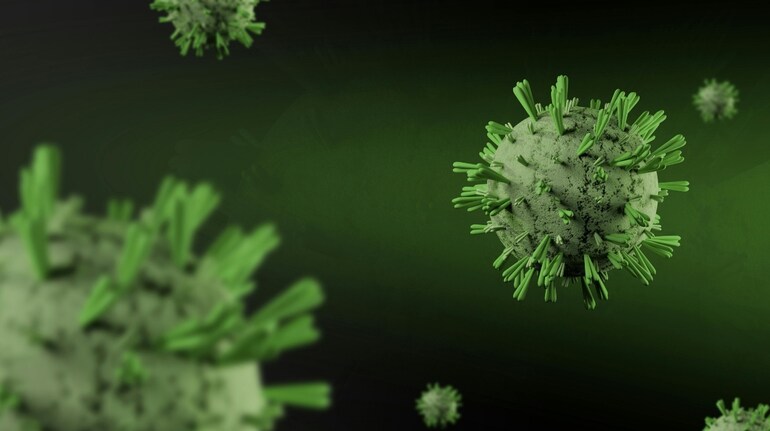

The Nipah virus alert in India illustrate the significance of being aware and prevention. Knowledge about its symptoms, modes of transmission, and basic preventive practices can protect individuals by facilitating prompt treatment and outbreak containment.
The current warnings around the Nipah virus in India have once again focused public attention on infectious diseases and emergency planning. Nipah virus (NiV) is a rare and extremely serious zoonotic disease, which can also transmit from one human to another. Outbreaks are rare, but it's known for causing serious illness with a high fatality rate, making early awareness and prevention imperative.
In India, Nipah virus cases have occurred on and off for years, frequently with aggressive public health responses.
“The virus is known to be found in fruit bats, which are considered as the natural host of the virus and infections are believed to result from contact with an infected animal (cattle, pig or horse), consumption of food contaminated by bat drops or through close contact with patients via exposure to infected blood, secretion, organelles,” says Dr Anirudh Menon MD-Consultant Infectious Disease Specialist.
While the Nipah virus is not as highly transmissible as many common respiratory viruses, its potential to cause devastating illness and insufficient treatment options raise concerns about even relatively small outbreaks among health authorities. Doctors stress that there’s no need to panic, but awareness is key. The knowledge of symptoms, transmission methods and preventive measures can lower the risk to get infected with or spread infections during alerts.
Also read: Are the eggs you eat for breakfast safe? Doctor says beware of this one substance
Nipah virus is a viral infection that hit both the respiratory and nervous systems. It can give some people only mild symptoms, but it can bring others to more severe conditions, including encephalitis (brain inflammation), says the doctor.
These early symptoms are similar to other common viruses, such as fever, headache muscle pain, sore throat and vomiting. Symptoms can progress to dizziness, confusion, laboured breathing, seizures and a change in consciousness as the disease advances. Early medical attention is crucial.
Nipah virus is transmitted through contact with infected bats, pigs or by consuming contaminated food like fruits bitten by the bat and deposited on plants. HC2>Human-to-human transmission is known to occur through close contact with the bodily fluids of infected individuals, especially in healthcare or household settings.
Doctors urge people to refrain from eating partially eaten or fallen fruits, especially in an alert zone. Preventive measures (hand hygiene, careful washing of fruits and avoidance with sick people) are key. Staff should take strict infection control precautions.
During a Nipah virus alert, people should remain informed via official health advisories, refrain from spreading rumours and seek medical treatment immediately if any symptoms develop. Quarantine of suspects, cooperation with health authorities are vital in containing spread.
Also read: Doctor says these 3 medicines can save a heart attack patient
People with persistent fever, severe headache, confusion or difficulty breathing, particularly individuals with recent potential exposure, should seek medical care immediately. Early detection results in better outcomes and lesser risk of transmission.
1. What is Nipah virus?
Nipah virus (NiV) is a zoonotic virus that can spread from animals to humans and also through human-to-human transmission. It causes severe illness, including encephalitis (brain inflammation) and respiratory distress.
2. How does Nipah virus spread?
The virus can spread through contact with infected fruit bats, pigs, or contaminated food such as raw date palm sap. Human-to-human transmission can occur through close contact with bodily fluids of an infected person.
3. What are the common symptoms of Nipah virus infection?
Early symptoms include fever, headache, muscle pain, vomiting, and sore throat. Severe cases may progress to dizziness, confusion, seizures, difficulty breathing, and coma.
4. How serious is Nipah virus infection?
Nipah virus infection can be life-threatening, with a high fatality rate. The severity varies, but complications like brain swelling and respiratory failure are common in serious cases.
5. Is Nipah virus contagious?
Yes, Nipah virus can spread from person to person, especially among family members and healthcare workers through close, unprotected contact.
Disclaimer: This article, including health and fitness advice, only provides generic information. Don’t treat it as a substitute for qualified medical opinion. Always consult a specialist for specific health diagnosis.
Discover the latest Business News, Sensex, and Nifty updates. Obtain Personal Finance insights, tax queries, and expert opinions on Moneycontrol or download the Moneycontrol App to stay updated!
Find the best of Al News in one place, specially curated for you every weekend.
Stay on top of the latest tech trends and biggest startup news.





