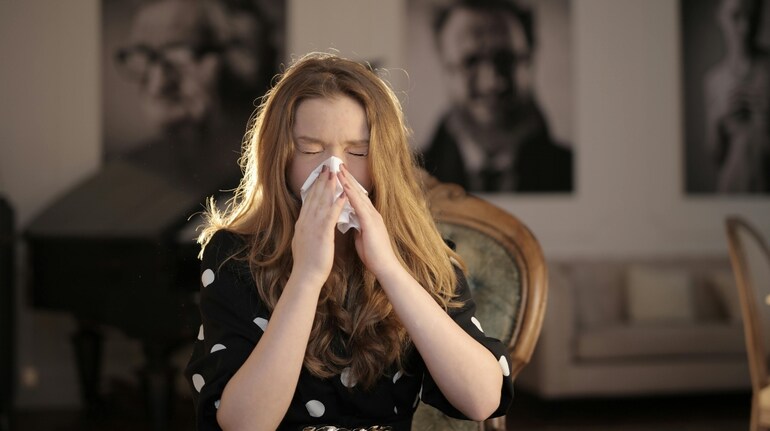
Your immunity can take a hit during sudden weather changes. Quick drops in temperature, spikes in humidity, and damp conditions make it easier for viruses and bacteria to invade and spread.
Abrupt changes in weather stress the body’s mucosal immunity, says Dr Vimal Pahuja, Associate Director of Internal Medicine, Dr L. H. Hiranandani Hospital, Mumbai. “Nasal passages can swell or dry, compromising the first line of defence. Viruses like influenza, adenovirus, and rhinovirus thrive in cool, moist air. Fluctuating barometric pressure and damp environments also
encourage bacterial growth and the breeding of disease vectors.”
Transmission increases when the weather drives people indoors. Crowded, poorly ventilated rooms allow aerosolised viruses to linger, while thermal stress makes our immune systems temporarily less efficient. Those with diabetes, asthma, or low vitamin D are particularly vulnerable. In such conditions, a simple cough or sniffle can spread rapidly among family, colleagues, and schoolchildren.
Understanding common infections
Viral fever: Low-grade fever, feeling slightly fatigued, and having a sore throat. It usually resolves in 3-4 days.
Influenza: This lasts for 5-7 days. Symptoms include high fever, body ache, dry couch, and pain behind the eyes.
Warning signs: Breathlessness, chest pain, persistent vomiting, drowsiness, or oxygen saturation below 94 percent, seek urgent medical help to rule out pneumonia, dengue, leptospirosis
Simple steps to stay healthy at home
- Warm saline gargles and drink 2.5-3 litres of water everyday
- Add protein, citrus fruits, nuts, and legumes into your diet for zinc. Eat a balanced diet.
- Keep indoor humidity under 60 percent and dry wet clothes outside living spaces
- Maintain adequate sleep. Good sleeps allows better rest and functioning of the body
- Regular exercise (even if moderate) can help support your immunity
Vaccination and children’s health
Flu shots are important during seasonal peaks. Annual immunisation is important for children, elderly, diabetics, and healthcare workers
Inculcate healthy habits in your child. Practice hand-washing, keep nails short, toys clean, classrooms ventilated, and ensure daily outdoor play for vitamin D. Recurrent infections should prompt pediatric evaluation.
FAQs on how to protect oneself from flu-like symptoms:
1. How can I prevent catching the flu?
Wash your hands often, avoid close contact with sick people, and keep your surroundings clean.
2. Does getting a flu shot really help?
Yes, annual flu vaccines greatly reduce your risk of infection and severe symptoms.
3. What should I eat to boost immunity?
Eat plenty of fruits, vegetables, whole grains, and foods rich in vitamin C and zinc.
4. Can sleep help prevent the flu?
Absolutely — getting enough rest strengthens your immune system and helps your body fight viruses.
5. What should I do if I feel early flu symptoms?
Rest, stay hydrated, and see a doctor if symptoms worsen or last more than a few days.
Disclaimer: This article, including health and fitness advice, only provides generic information. Don’t treat it as a substitute for qualified medical opinion. Always consult a specialist for specific health diagnosis.
Discover the latest Business News, Sensex, and Nifty updates. Obtain Personal Finance insights, tax queries, and expert opinions on Moneycontrol or download the Moneycontrol App to stay updated!
Find the best of Al News in one place, specially curated for you every weekend.
Stay on top of the latest tech trends and biggest startup news.