






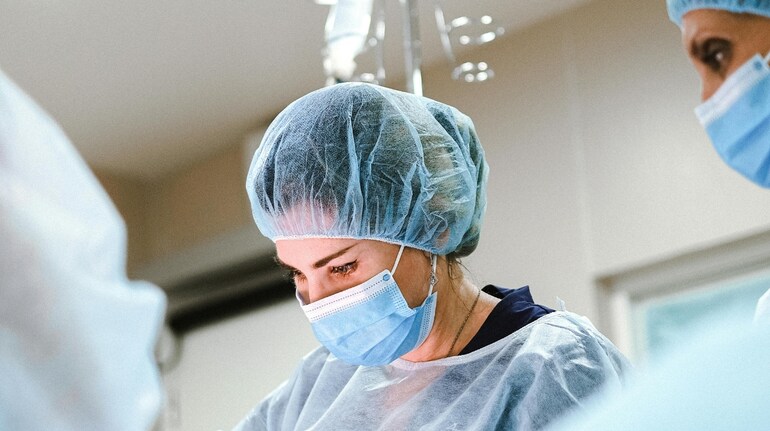

In the operating theatre, the job seems done once the final stitch is tied. But for many patients, the real test begins afterwards. Surgical wound infections, long regarded as an unfortunate side effect of modern medicine, continue to trouble hospitals and surgeons alike, despite advances in technology and technique.
Wound infection is among the most common complications following general surgery. It occurs usually with redness here, discharge there, before erupting into pain, fever and delayed healing. According to Dr Pushkar Anand Singh, General and Laparoscopic Surgeon at Shri Ram Hospital, Noida, a wound infection doesn’t just slow recovery. “It affects the patient emotionally, physically, and financially. What should have been a short hospital stay can stretch into weeks.”
In simple terms, a wound infection happens when germs enter the surgical site, damage the tissue, and slow down healing. The infection can affect just the skin, go deeper into muscles, or spread to nearby organs, with severity increasing at each level.
Bacteria are the usual culprits. They may come from the patient’s own skin, surgical instruments, or even the surrounding hospital environment. Longer operations, breaks in sterile technique, or the use of foreign materials like sutures and drains can all tip the balance. “As surgeons, we fight an invisible enemy,” Dr. Singh explains. “Even with the best precautions, bacteria can find a way in if we’re not meticulous at every step.”
Some patients walk into surgery with the odds already stacked against them. Pre-existing conditions and lifestyle factors play a crucial role.
Managing wound infections hinges on catching them early. Culturing the wound helps identify the bacteria and guides antibiotic treatment. “In severe cases, surgical drainage or removal of infected tissue becomes necessary. But prevention remains the gold standard. Strict hand hygiene, proper aseptic technique, timely antibiotics, maintaining body temperature during surgery and ensuring good oxygen supply all reduce infection risk.” Dr Singh adds. “Equally important is patient awareness.”
“I always tell my patients, your role doesn’t end when you leave the hospital,” Dr Singh shares. “Knowing how to care for your wound and recognising early warning signs can make all the difference.”
Q. What is a post-surgical wound infection?
A post-surgical wound infection occurs when bacteria enter the surgical site, leading to redness, swelling, pain, discharge, or delayed healing.
Q. Why are wound infections increasing after surgeries?
Experts point to factors such as antibiotic resistance, rising rates of diabetes and obesity, longer hospital stays, and lapses in post-operative wound care.
Q. When do post-surgical wound infections usually appear?
They commonly develop within 3–10 days after surgery, but some infections may show up weeks later, especially if implants are involved.
Q. What are the common signs of an infected surgical wound?
Warning signs include increasing pain, redness, warmth, pus or foul-smelling discharge, fever, and the wound not healing as expected.
Q. Who is at a higher risk of developing post-surgical infections?
People with diabetes, weakened immunity, obesity, smokers, elderly patients, and those undergoing complex or emergency surgeries face higher risk.
Disclaimer: This article, including health and fitness advice, only provides generic information. Don’t treat it as a substitute for qualified medical opinion. Always consult a specialist for specific health diagnosis.
Discover the latest Business News, Sensex, and Nifty updates. Obtain Personal Finance insights, tax queries, and expert opinions on Moneycontrol or download the Moneycontrol App to stay updated!
Find the best of Al News in one place, specially curated for you every weekend.
Stay on top of the latest tech trends and biggest startup news.





