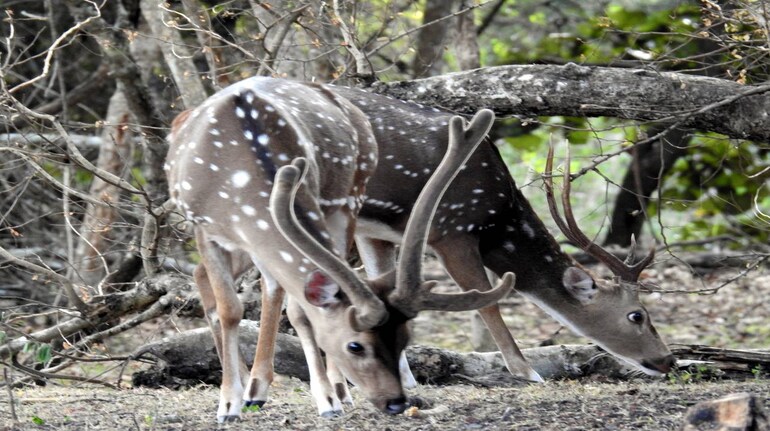
A mysterious and fatal illness is spreading among deer populations in North America, raising concerns among scientists, hunters and the general public. Known as Zombie Deer Disease, the condition's official name is Chronic Wasting Disease (CWD)—a highly contagious and deadly neurological disorder affecting deer, elk and moose.
The disease gets its eerie nickname from the way it affects infected animals, causing them to exhibit zombie-like behaviour, including staggering, listlessness, drooling and extreme weight loss. "As the disease progresses, infected animals become disoriented—showing a lack of fear of humans and an inability to perform basic survival functions," explains Dr Jagadish Hiremath, public health expert.
With its rapid spread and no known cure, CWD has raised concerns about its potential to jump to humans, much like mad cow disease did in the past.
Symptoms of zombie deer diseaseThe incubation period for CWD can last several months to years—meaning infected animals may appear healthy for a long time before showing symptoms. Once symptoms emerge, the disease progresses rapidly, leading to death.
"Some of the most common signs include drastic weight loss (wasting), lack of coordination and staggering movements, drooling and excessive salivation, blank stare and listlessness, difficulty swallowing and excessive thirst, and loss of fear of humans," Dr Hiremath explains, adding, "These symptoms worsen over time, ultimately resulting in the animal's death."
Also Read | Here's how preventive nutrition boosts heart health, digestion, and prevents diseasesWhat causes CWD?Zombie Deer Disease is caused by prions, which are misfolded proteins that attack the brain and nervous system. Unlike bacteria or viruses, prions are virtually indestructible and can survive in the environment for years—making the disease highly persistent and difficult to control.
"Prions spread through direct contact with infected animals or indirectly through contaminated soil, food, water and even plants," Dr Hiremath notes.
The rise of CWD: How far has it spread?Originally detected in the 1960s in Colorado, CWD has now been confirmed in at least 31 U.S. states, parts of Canada, South Korea, Norway, Sweden and Finland. The disease is spreading at an alarming rate, affecting wild and captive deer populations alike.
While there is currently no confirmed cases of CWD infecting humans, experts warn that the possibility cannot be ruled out. Citing research, Dr Hiremath says that CWD prions can infect macaque monkeys—a species closely related to humans—when they consume contaminated meat.
This has led scientists to fear that, much like mad cow disease (Bovine Spongiform Encephalopathy, or BSE), CWD could eventually cross the species barrier and pose a threat to human health.
Also Read | Cure chronic disease with these top 6 heart and kidney-friendly fruitsTreatment and precautionsThere is no cure or vaccine for CWD, making prevention the only way to contain its spread.
Here are the precautions to prevent the spread:"Increased research, surveillance, and preventive measures are crucial to containing the spread and minimising risks to wildlife and possibly humans," Dr Hiremath concludes.
Disclaimer: This article, including health and fitness advice, only provides generic information. Don’t treat it as a substitute for qualified medical opinion. Always consult a specialist for specific health diagnosis.Discover the latest Business News, Sensex, and Nifty updates. Obtain Personal Finance insights, tax queries, and expert opinions on Moneycontrol or download the Moneycontrol App to stay updated!
Find the best of Al News in one place, specially curated for you every weekend.
Stay on top of the latest tech trends and biggest startup news.