







For people with busy mornings, it is hard to find time to make healthy concoctions or go for an hour of physical exercise. However, waking up and jumping straight to work is also damaging for long-term health.
What you need is lymphatic circulation, which is your body’s natural detox and drainage system. Yoga guru Dr Hansaji Yogendra emphasised its importance in one of her recent YouTube videos and said how it helps the body clear waste toxins, excess fluid, and inflammation.
However, unlike the heart which can pump on its own, lymphatic movement is heavily dependent on bodily movement and deep breathing.
“Research and clinical observations show that lymph nodes slow down significantly during sleep and if you do not activate it within 1 to 2 hours of waking, you may feel puffy in the face, heavy in the body, foggy in the head, stiff, and sluggish. And many people blame it on poor sleep. But often it is not your sleep, it is poor morning circulation and weak lymph movement,” she said.
Also read: Doctor says these 3 medicines can save a heart attack patient
Dr Yogendra shared 3 morning detox rituals that help “wake up your lymphatic system, support digestion, and calm the nervous system.” What you need is just three minutes of your time.
According to Dr Yogenda, sitting up and drinking 8-10 small sips of warm water (avoid large gulps) as soon as you wake up helps hydrate the body after 6 to 8 hours of sleep. This helps, as the lymphatic fluid is mostly water and even mild dehydration can make lymph flow thicker and slower and increase morning heaviness.
According to Dr Yogendra, you can wake up the lymphatic system effectively by moving, stretching, breathing, and gently stimulating it. She suggested the following simple steps, which hardly take any time but help immensely.
Bounce or march gently on the spot for 20 seconds. Keep your knees soft and body relaxed. This gentle up-and-down movement helps push lymph upward against gravity, especially from the legs and lower body, where it often stagnates in the morning.
Stretch and twist for the next 40 seconds. Start with talasana: stand with your feet one foot apart. Inhale, lift your heels, and raise both arms overhead. Exhale, lower your arms and heels, and return to the starting position. Repeat three times.
Next, keeping your feet steady and one foot apart, do standing vakrasana. Hold your arms at shoulder height. Exhale and twist to the right, then inhale back to the centre. Repeat on the left side. Do this three times on each side. This movement helps release stagnant fluid, especially in the gut and lower back.
Gently tap key lymphatic points for 40 seconds. Using your fingertips first tap gently below the collarbones and near the centre of your chest 10 to 12 taps. This is where major lymph drainage happens. Then, gently tap your armpits on both sides. This area holds a large cluster of lymph nodes. Next, gently tap on your lower abdomen, in the groin area, again 10 to 12 taps. This supports gut-related lymph flow and digestion. She advised to be gentle on the system, no forced movement.
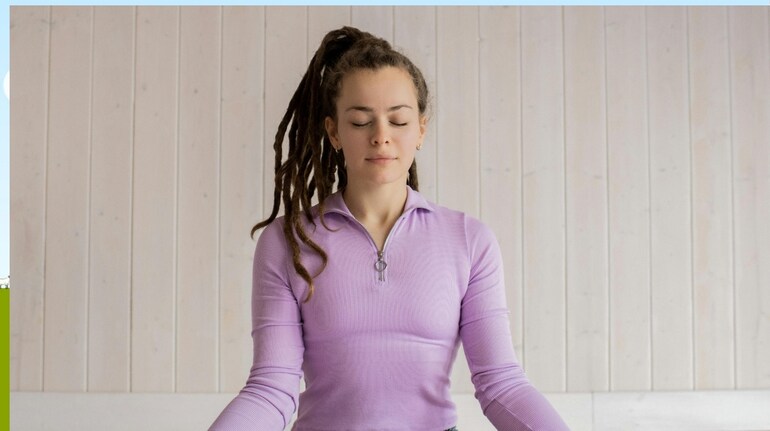
For this, Dr Yogendra said, “Place your hands on your lower ribs, inhale through the nose for 4 seconds. Exhales thought the nose for 6 seconds. Take 4 such slow breaths, and after that gently release your hand. And shift into gentle humming. Inhale softly and exhale with a calm “hmmm” sound. Feel the vibration on the throat, face and chest. Repeat 3 humming breaths.”
She explained how breathing and humming together support lymph drainage in the chest and neck while calming the nervous system. It is popularly known as Bhramari Pranayama which helps quiet the mind and remove internal stagnation.
1. What is bhramari pranayama?
Bhramari pranayama is a yogic breathing technique where you make a gentle humming sound during exhalation, resembling a bee.
2. What are the benefits of bhramari pranayama?
It helps calm the mind, reduce stress and anxiety, improve focus, and support better sleep.
3. Who can practise bhramari pranayama?
Most people can practise it, including beginners, as long as there are no serious ear or breathing issues.
4. When is the best time to practise bhramari pranayama?
Early morning or evening on an empty stomach in a quiet place is ideal.
5. How long should bhramari pranayama be practised?
5–10 minutes daily is usually sufficient to experience its calming effects.
Disclaimer: This article, including health and fitness advice, only provides generic information. Don’t treat it as a substitute for qualified medical opinion. Always consult a specialist for specific health diagnosis.
Discover the latest Business News, Sensex, and Nifty updates. Obtain Personal Finance insights, tax queries, and expert opinions on Moneycontrol or download the Moneycontrol App to stay updated!
Find the best of Al News in one place, specially curated for you every weekend.
Stay on top of the latest tech trends and biggest startup news.





