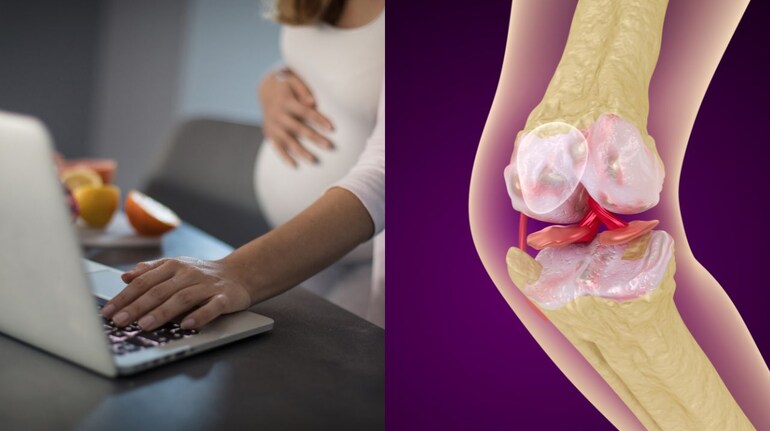
Pregnancy is a time of profound transformation, with a woman’s body undergoing numerous changes to accommodate the developing foetus. While the focus often remains on the immediate health of the mother and baby, it is crucial to be aware of long-term health implications, including pregnancy-related osteoporosis. This condition can affect bone health during and after pregnancy, making it essential to understand the risks and preventive measures.
What is pregnancy-related osteoporosis?Pregnancy-related osteoporosis is a condition where bones become weakened and more susceptible to fractures during or after pregnancy, says Noida-based gynaecologist Rashmi Duggal. This type of osteoporosis can manifest in various ways, including bone pain, fractures, and a general decrease in bone density. Unlike primary osteoporosis, which is often associated with ageing or menopause, pregnancy-related osteoporosis is directly linked to the physiological changes of pregnancy, says Duggal.
Risk factors for pregnancy-related osteoporosisSeveral factors can increase the risk of developing osteoporosis during pregnancy:
Nutritional deficiencies: Adequate intake of calcium and vitamin D is crucial for maintaining bone health. A deficiency in these nutrients can weaken bones and increase fracture risk.
Genetics: A family history of osteoporosis or bone-related conditions can predispose an individual to similar issues during pregnancy.
Pre-existing health conditions: Conditions like rheumatoid arthritis or other autoimmune diseases can impact bone health. Additionally, certain medications used to manage these conditions may contribute to bone weakness.
Multiple pregnancies: Women who have multiple pregnancies in a short span may be at higher risk due to the cumulative strain on their bones.
High-impact physical activity: Engaging in high-impact sports or activities without proper preparation or rest can contribute to bone stress and fractures.
Symptoms of pregnancy-related osteoporosis may include sudden or severe bone pain, frequent fractures, or a noticeable decrease in height. Diagnosis often involves a combination of medical history review, physical examination, and diagnostic tests such as bone density scans (DEXA scans) to assess bone strength and density.
Preventive measuresPrevention is key to managing pregnancy-related osteoporosis. Here are several strategies to help maintain bone health during pregnancy:
Balanced diet: Ensure a diet rich in calcium and vitamin D. Dairy products, leafy greens, nuts, and fortified foods can help meet nutritional needs. Consult with a healthcare provider to determine if supplements are necessary.
Regular exercise: Engage in weight-bearing exercises such as walking, swimming, or prenatal yoga. These activities help strengthen bones and improve overall fitness.
Adequate rest: Ensure sufficient rest and avoid excessive physical strain. Adequate sleep and relaxationcontribute to overall health and can help manage bone stress.
Routine medical check-ups: Regular visits to a healthcare provider can help monitor bone health and address any emerging issues promptly.
Avoid smoking and limit alcohol: Smoking and excessive alcohol consumption can negatively impact bone density and overall health.
Discover the latest Business News, Sensex, and Nifty updates. Obtain Personal Finance insights, tax queries, and expert opinions on Moneycontrol or download the Moneycontrol App to stay updated!
Find the best of Al News in one place, specially curated for you every weekend.
Stay on top of the latest tech trends and biggest startup news.