-
My Account











Symptoms and causes of Parkinson’s disease, a condition that affects men more
Parkinson’s disease is a progressive neurodegenerative disorder affecting motor control due to dopamine deficiency in the brain. It commonly presents with resting tremors, rigidity, bradykinesia, and postural instability. Additional features include masked facies, micrographia, speech changes, and neuropsychiatric symptoms. Early diagnosis helps improve quality of life.




1/10

What is Parkinson’s Disease
Parkinson’s disease is a long-term and progressive neurodegenerative disorder that mostly affects the motor systems of the body. It is a result of degeneration of certain neurons in the brain, which leads to impaired regulation of movement. (Picture Credit: Canva)
Parkinson’s disease is a long-term and progressive neurodegenerative disorder that mostly affects the motor systems of the body. It is a result of degeneration of certain neurons in the brain, which leads to impaired regulation of movement. (Picture Credit: Canva)
2/10

Epidemiology and age group
This disease is commonly seen in individuals who are above the age of sixty, and is found more in men as compared to women. However, it may also be seen in younger populations if they are genetically predisposed. (Picture Credit: Canva)
This disease is commonly seen in individuals who are above the age of sixty, and is found more in men as compared to women. However, it may also be seen in younger populations if they are genetically predisposed. (Picture Credit: Canva)
3/10

Underlying dopamine deficiency
Parkinson’s disease occurs as a result of reduced levels of dopamine, which can disrupt the pathway between excitatory and inhibitory pathways. This imbalance leads to classical symptoms like rigidity and tremors, along with reduced motor movements. (Picture Credit: Canva)
Parkinson’s disease occurs as a result of reduced levels of dopamine, which can disrupt the pathway between excitatory and inhibitory pathways. This imbalance leads to classical symptoms like rigidity and tremors, along with reduced motor movements. (Picture Credit: Canva)
4/10
Cardinal motor manifestations
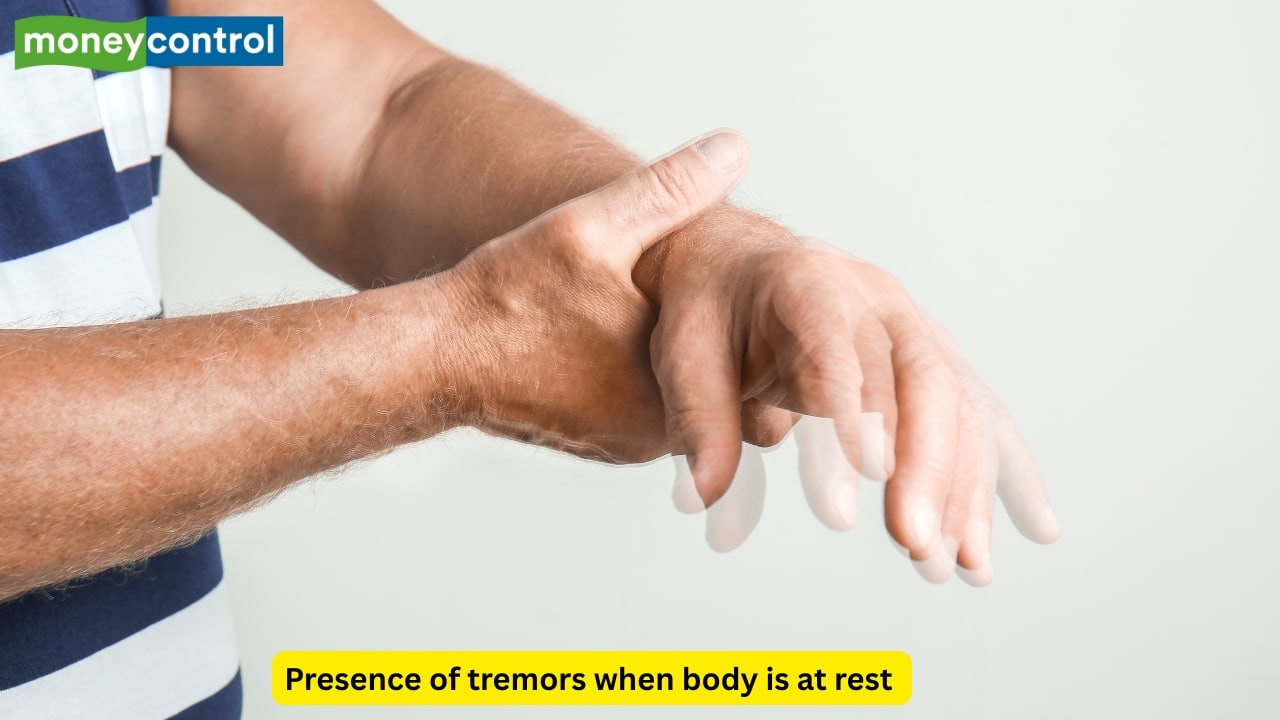
One of the cardinal symptoms of this disease is the presence of tremors. Other symptoms like postural instability may also be observed. A “pill-rolling” type of tremor occurs at rest, and reduces when the affected individual performs any voluntary movement. (Picture Credit: Canva)
One of the cardinal symptoms of this disease is the presence of tremors. Other symptoms like postural instability may also be observed. A “pill-rolling” type of tremor occurs at rest, and reduces when the affected individual performs any voluntary movement. (Picture Credit: Canva)
5/10
Bradykinesia and slowness
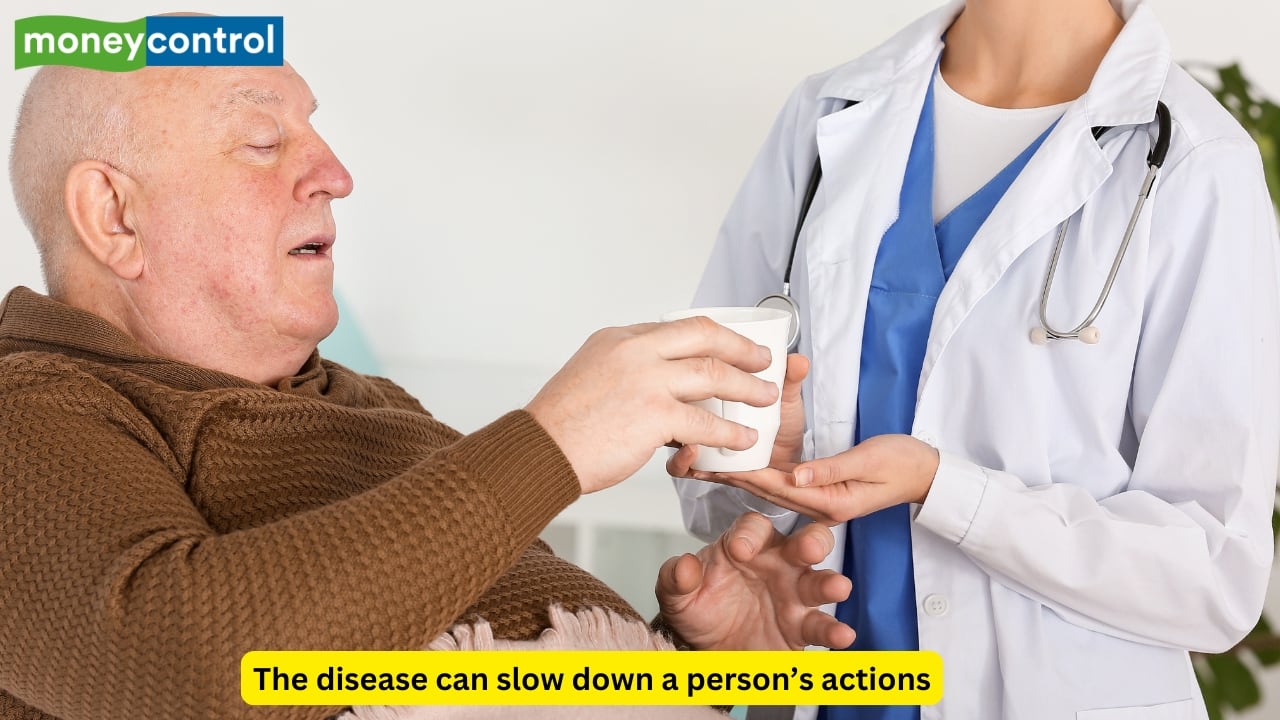
A slowness in the actions performed is known as bradykinesia, and is one of the hallmark symptoms of Parkinson’s disease. The person has a difficulty in initiating a movement, and can be one of the most disabling symptoms. (Picture Credit: Canva)
A slowness in the actions performed is known as bradykinesia, and is one of the hallmark symptoms of Parkinson’s disease. The person has a difficulty in initiating a movement, and can be one of the most disabling symptoms. (Picture Credit: Canva)
6/10
Muscle rigidity patterns
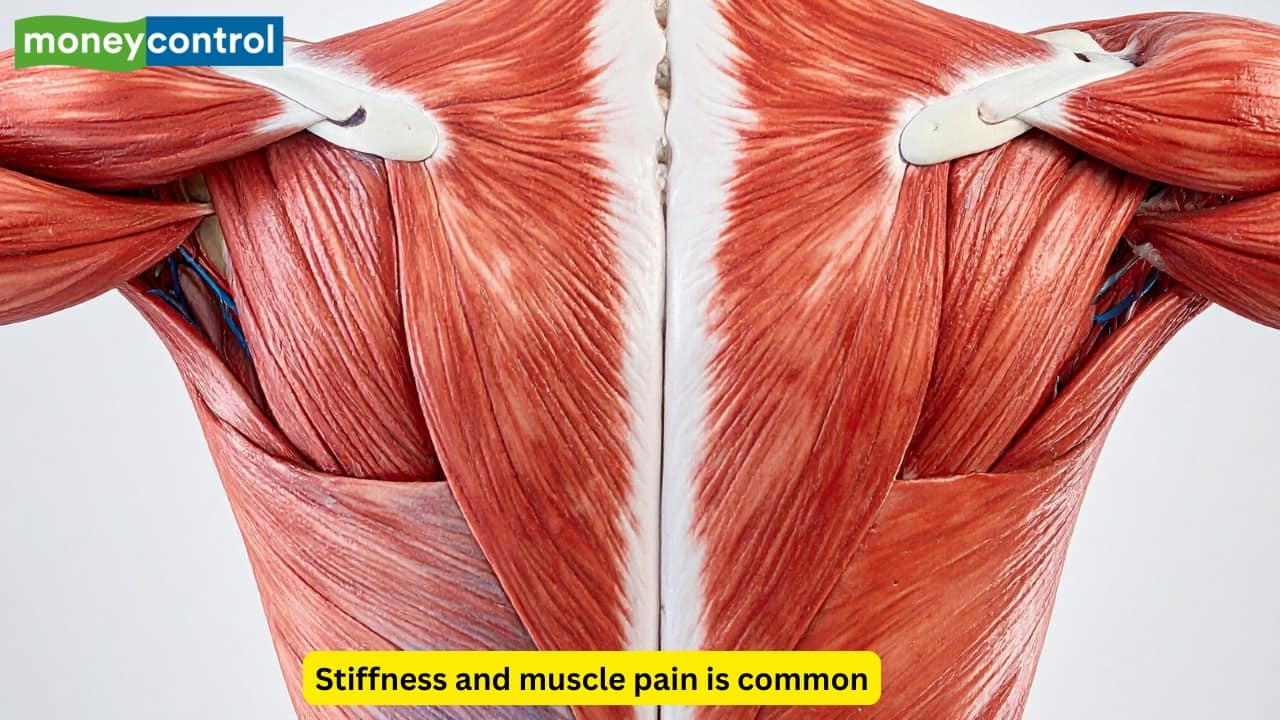
As the muscles become rigid, the resistance to passive movements increases. This type of rigidity is known as “lead-pipe” or “cogwheel” rigidity. It may contribute to stiffness and muscle pain, along with a restricted range of motion. (Picture Credit: Canva)
As the muscles become rigid, the resistance to passive movements increases. This type of rigidity is known as “lead-pipe” or “cogwheel” rigidity. It may contribute to stiffness and muscle pain, along with a restricted range of motion. (Picture Credit: Canva)
7/10
Postural instability effects
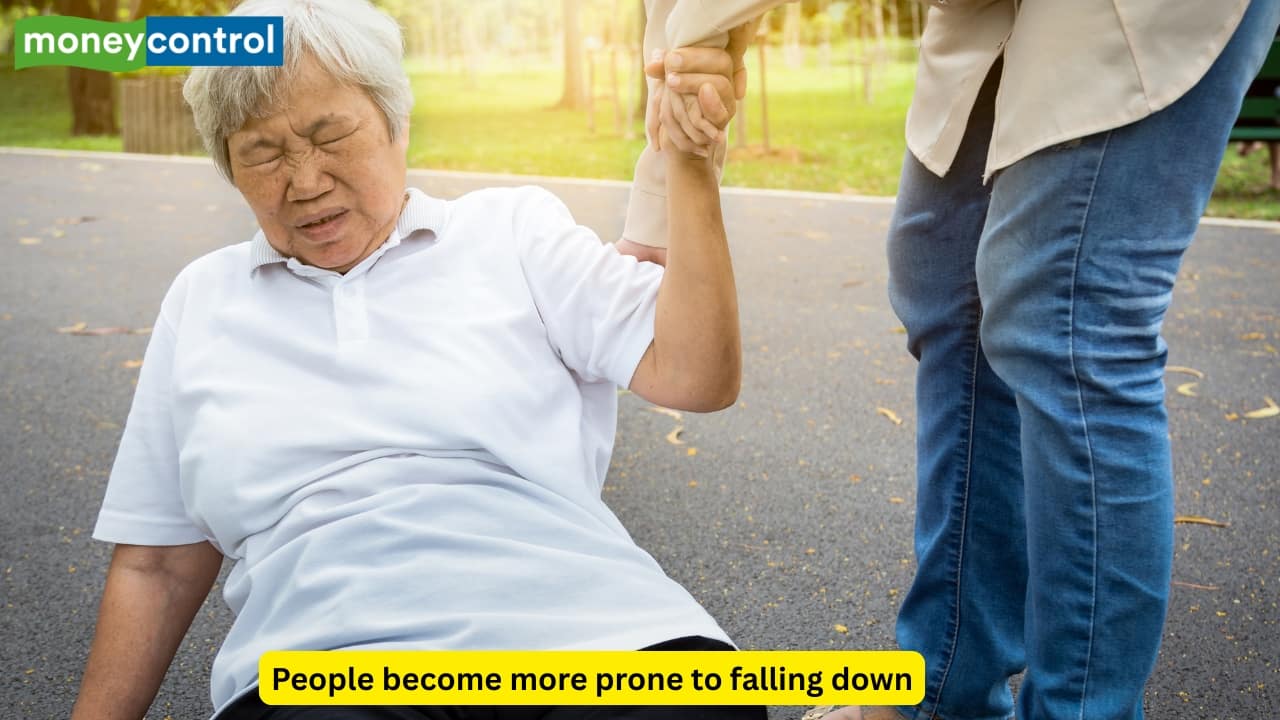
Due to postural instability, which is commonly seen in those with Parkinson’s disease, the balance is impaired, and the person becomes more susceptible to falling down. This is often observed in the later stages of this condition. (Picture Credit: Canva)
Due to postural instability, which is commonly seen in those with Parkinson’s disease, the balance is impaired, and the person becomes more susceptible to falling down. This is often observed in the later stages of this condition. (Picture Credit: Canva)
8/10

Facial and speech changes
Hypomimia, also called masked facies, refers to the reduction in facial expressions. It is the result of reduced facial movements, which ultimately shows a monotonous appearance. The speaking pattern also slows down, and the person talks softly. (Picture Credit: Canva)
Hypomimia, also called masked facies, refers to the reduction in facial expressions. It is the result of reduced facial movements, which ultimately shows a monotonous appearance. The speaking pattern also slows down, and the person talks softly. (Picture Credit: Canva)
9/10

Handwriting abnormalities
One of the earliest signs of development of Parkinson’s disease is a change in the handwriting. It becomes smaller, and more cramped. This is a result of bradykinesia and impaired fine movements in affected individuals. (Picture Credit: Canva)
One of the earliest signs of development of Parkinson’s disease is a change in the handwriting. It becomes smaller, and more cramped. This is a result of bradykinesia and impaired fine movements in affected individuals. (Picture Credit: Canva)
10/10

Neuropsychiatric features
Neuropsychiatric symptoms like depression and anxiety are common, and in advanced cases, some may develop dementia as well. Early diagnosis and treatment of Parkinson’s is necessary. While it may not be completely cured, it can be managed effectively when diagnosed on time. Disclaimer: This article, including health and fitness advice, only provides generic information. Don’t treat it as a substitute for qualified medical opinion. Always consult a specialist for specific health diagnosis.(Picture Credit: Canva)
Neuropsychiatric symptoms like depression and anxiety are common, and in advanced cases, some may develop dementia as well. Early diagnosis and treatment of Parkinson’s is necessary. While it may not be completely cured, it can be managed effectively when diagnosed on time. Disclaimer: This article, including health and fitness advice, only provides generic information. Don’t treat it as a substitute for qualified medical opinion. Always consult a specialist for specific health diagnosis.(Picture Credit: Canva)
Discover the latest Business News, Budget 2025 News, Sensex, and Nifty updates. Obtain Personal Finance insights, tax queries, and expert opinions on Moneycontrol or download the Moneycontrol App to stay updated!



