






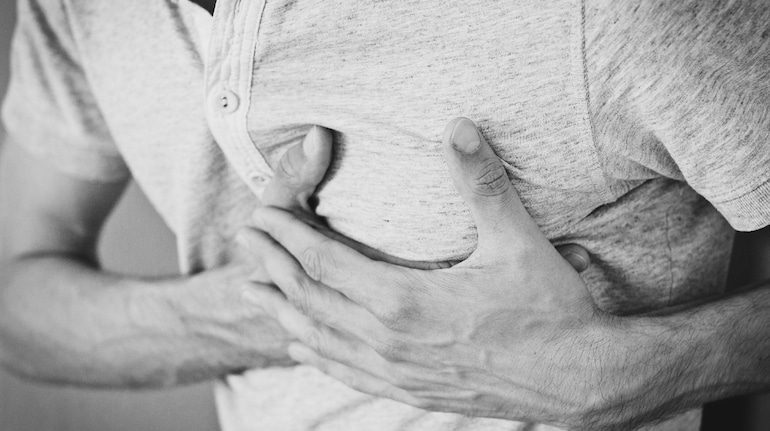

As temperatures dip, cases of heart attacks rise, and increasingly, they strike people who are far from old. Emergency rooms across the country see a noticeable spike in cardiac cases during the colder months.
According to Dr Parin Sangoi, Consultant Interventional Cardiologist, Wockhardt Hospitals, Mumbai Central, the average patient is no longer elderly. “We are seeing working professionals in their 30s, 40s and early 50s, many with disturbed sleep cycles and long-standing lifestyle-related conditions,” he says.
Cold weather itself does not cause heart attacks, but it creates conditions that make heart problems more likely. “In winter, blood vessels constrict, pushing blood pressure upwards.” tells Dr Sangoi. He adds that blood also becomes more prone to clotting, increasing the chances of blockages in arteries already narrowed by cholesterol. “For someone with pre-existing plaque in the arteries, winter can be the tipping point,” Dr Sangoi explains.
Cold causes arteries to narrow, forcing the heart to pump harder and raising blood pressure levels.
Blood thickens slightly in colder temperatures, increasing the risk of sudden arterial blockages.
Also read: Doctor says these 3 medicines can save a heart attack patient
Exercise routines falter, calorie intake rises, and sleep patterns go awry during winter.
Irregular sleep and late working hours boost cortisol and adrenaline, fuelling inflammation and cardiac stress.
Diabetes, high cholesterol, obesity and smoking sharply multiply the danger.
“Smokers and diabetics often show more severe arterial blockages and reduced heart function,” notes Dr. Sangoi.
The most worrying trend is the age shift. Nearly half of India’s heart attack cases occur in people under 50. Many dismiss early warning signs, assuming heart disease belongs to an older generation. “Chest discomfort is often brushed aside as acidity or muscle pain,” says Dr. Sangoi. “That delay can be fatal.”
The good news is that winter heart attacks are largely preventable. Indoor exercise, disciplined sleep, stress management and strict control of blood sugar, blood pressure and cholesterol can make a decisive difference. Alcohol and smoking need to be avoided, and prescribed medicines must never be skipped.
“Equally vital is recognising symptoms early. Heaviness in the chest, breathlessness, pain spreading to the arm, jaw or back, sudden sweating or extreme fatigue demand immediate medical attention.” Dr Sangoi says, adding, “Reaching a hospital within the golden hour can save heart muscle and lives through timely procedures like angioplasty.”
1. What is a heart attack?
A heart attack occurs when blood flow to part of the heart muscle is blocked, usually due to a clot.
2. What are the common symptoms of a heart attack?
Chest pain, pressure or tightness, pain in the arm or jaw, shortness of breath, nausea, and sweating.
3. Who is at higher risk of a heart attack?
People with high blood pressure, diabetes, high cholesterol, smoking habits, obesity, and family history.
4. What should be done during a heart attack?
Seek emergency medical help immediately and do not delay treatment.
5. Can heart attacks be prevented?
Yes, by maintaining a healthy lifestyle, managing stress, exercising regularly, and getting routine check-ups.
Disclaimer: This article, including health and fitness advice, only provides generic information. Don’t treat it as a substitute for qualified medical opinion. Always consult a specialist for specific health diagnosis.
Discover the latest Business News, Sensex, and Nifty updates. Obtain Personal Finance insights, tax queries, and expert opinions on Moneycontrol or download the Moneycontrol App to stay updated!
Find the best of Al News in one place, specially curated for you every weekend.
Stay on top of the latest tech trends and biggest startup news.





