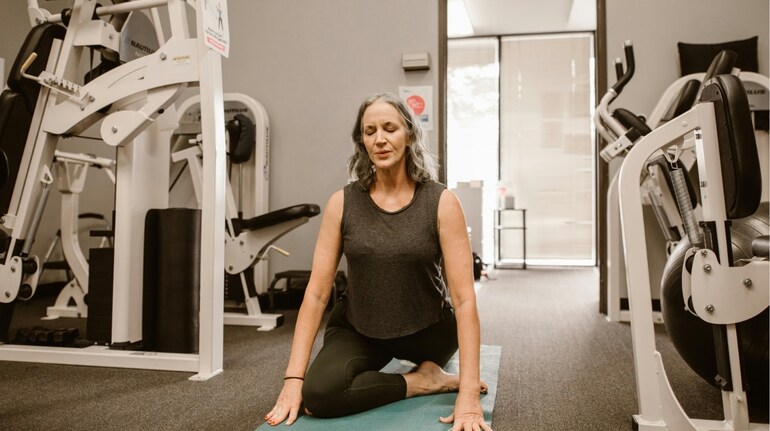

Menopause is a natural phase of life and with it comes hormonal changes that have consequences on psychic and physical health. With vigilant attention to a range of lifestyle and self-care strategies, women can attenuate the severity of their symptoms, preserve long-term health, and continue to thrive into midlife and beyond.
Menopause is a normal biological process of a woman’s life, although it may come with significant physical and emotional ‘side effects’ that can seriously impact overall health. Menopause usually happens between the ages of 45 and 55, and it means that a woman's reproductive years are coming to an end due to decreased levels of estrogen and progesterone. Although this is a one-size-fits-all phenomenon, every individual woman goes through it in her unique way and could either be just experiencing mild discomfort to severe disorder from day-to-day activities.
Hormonal changes at menopause affect nearly every system in the body - heart, brain and metabolism, bones and muscles, you name it.
“Learning that menopause is a season for which one needs to prepare rather than passively accept is key,” says Dr Meera Nandakumar, Consultant Gynaecologist and specialist in Integrative Women’s Health. “We seem able to intervene quite early with awareness and lifestyle changes, non drug interventions to reduce severity of symptoms and also long term health for the time duration of menopause and post,” she says.
Lack of estrogen alters neurotransmitters, such as serotonin and dopamine, causing mood swings, anxiety, irritability and low motivation. Many women also report brain fog, memory lapses and diminished focus. Night sweats result in poor quality of sleep which may exacerbate cognitive and emotion health.
On a physical level, menopause can cause reduced bone density, which may make them more prone to osteoporosis and fractures. Metabolism tends to slow down, leading to more weight gain — particularly around the midsection. The women might feel joint pan and muscle loss also vagina dryness, Hot flashes and lessens on skin elasticity due to decrease in collagen.
Estrogen has a protective effect on the cardiovascular system. After menopause, cholesterol can go up, blood vessels lose elasticity and sensitivity to insulin may decrease. This raises the risk of heart disease, high blood pressure and type 2 diabetes if action is not taken.
A diet rich in calcium, vitamin D, protein, fiber and phytoestrogens (the latter from such foods as flaxseeds and soy) is good for bone (related to that calcium), heart and hormone health. Lowering processed foods and added sugars will aid in weight management and inflammation.
Regular exercise — which includes strength training, walking, yoga and flexibility exercises — can help maintain muscle mass, bone density, mental sharpness and emotional balance while minimizing hot flashes and sleep problems.
Also read: Doctor says these 3 medicines can save a heart attack patient
Keeping stress at bay through meditation, deep breathing, being social and getting enough sleep is also important. For example, cognitive-stimulating and mindfulness exercises can lift mood and reduce anxiety symptoms.
2. What physical changes happen during menopause?
Common changes include hot flashes, night sweats, weight gain (especially around the abdomen), joint pain, vaginal dryness, sleep disturbances, and changes in skin and hair health due to falling estrogen levels.
3. How does menopause affect mental and emotional health?
Hormonal fluctuations can lead to mood swings, anxiety, irritability, memory lapses, and difficulty concentrating. Poor sleep during menopause can further impact mental wellbeing.
4. Does menopause increase the risk of certain health conditions?
Yes. After menopause, the risk of osteoporosis, heart disease, type 2 diabetes, and metabolic syndrome increases due to lower estrogen levels and age-related changes.
5. How can women manage menopause-related health changes?
A balanced diet, regular exercise, strength training, adequate calcium and vitamin D intake, good sleep habits, stress management, and medical guidance—including hormone therapy when appropriate—can help manage symptoms and protect long-term health.
Disclaimer: This article, including health and fitness advice, only provides generic information. Don’t treat it as a substitute for qualified medical opinion. Always consult a specialist for specific health diagnosis.
Discover the latest Business News, Sensex, and Nifty updates. Obtain Personal Finance insights, tax queries, and expert opinions on Moneycontrol or download the Moneycontrol App to stay updated!
Find the best of Al News in one place, specially curated for you every weekend.
Stay on top of the latest tech trends and biggest startup news.